
Changing timezones is a real pain sometimes. We went to bed early as we’d slept badly on the plane and had an early Start in the morning. However that was a mistake! I woke after an hour and a half feeling wide awake. My body has decided I’d had an afternoon nap and now it was time to get up…at midnight. It took ages to get back to sleep so it wasn’t easy getting up at 6.30 this morning !
We needed to be at the breakfast buffet when if opened at 7 so we could get to the tour desk on the other side of the station by 7.20.
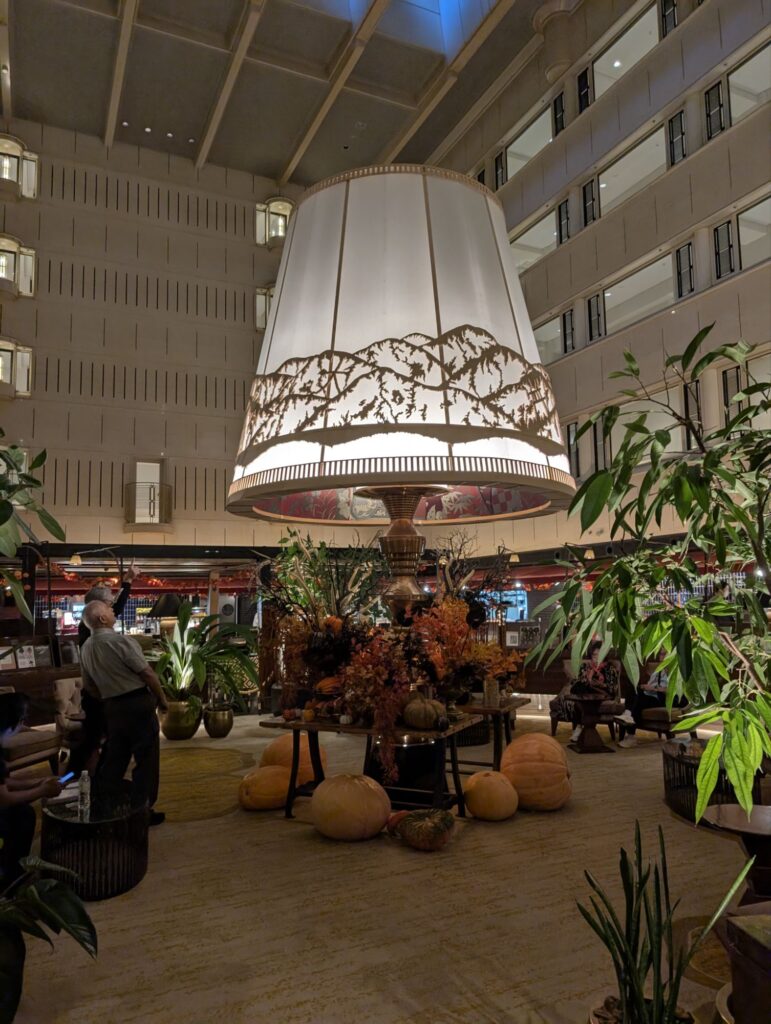
we ate fast and made it in time to meet a couple from Minnesota and their Grandson who would also be catching the train with us. The tour desk manager took us all the way to the platform and sent us on our way.
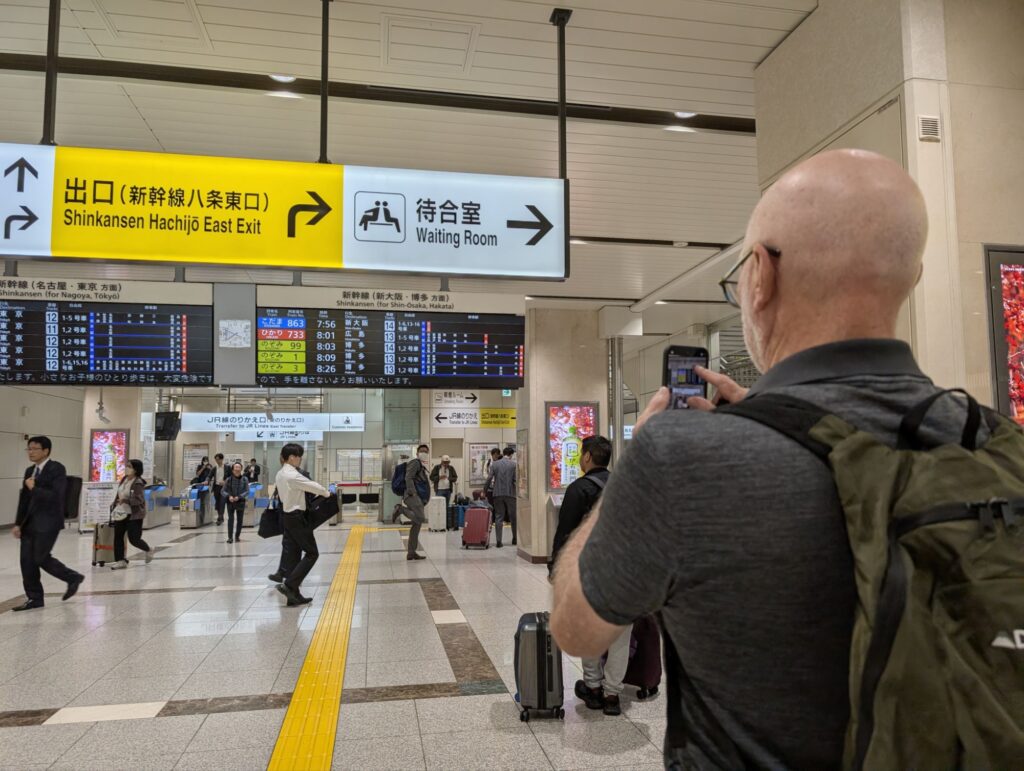
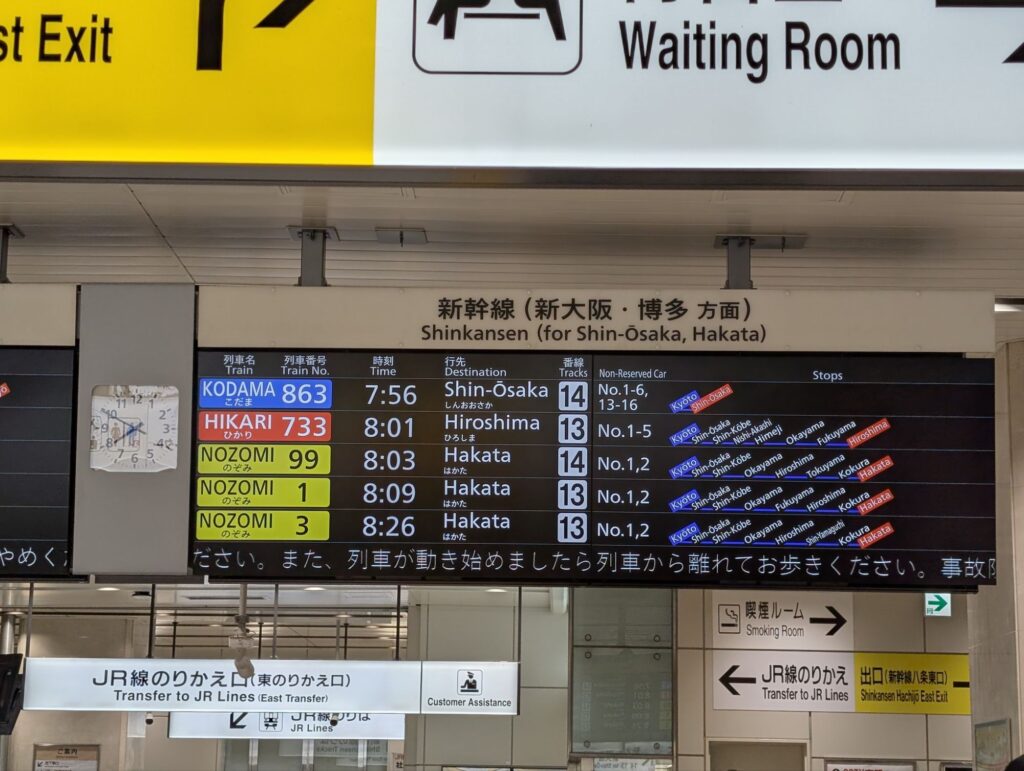
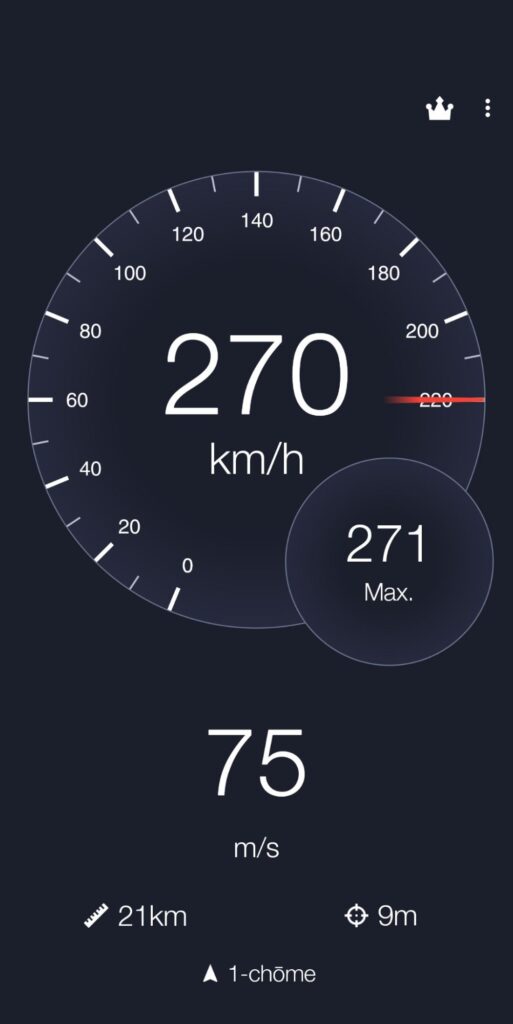
The Shinkansen train is amazing. It arrived on time ( coming from Tokyo) and we barrelled south at over 270 km per hour! I was surprised at how many long tunnels there were, it really is an engineering masterpiece.
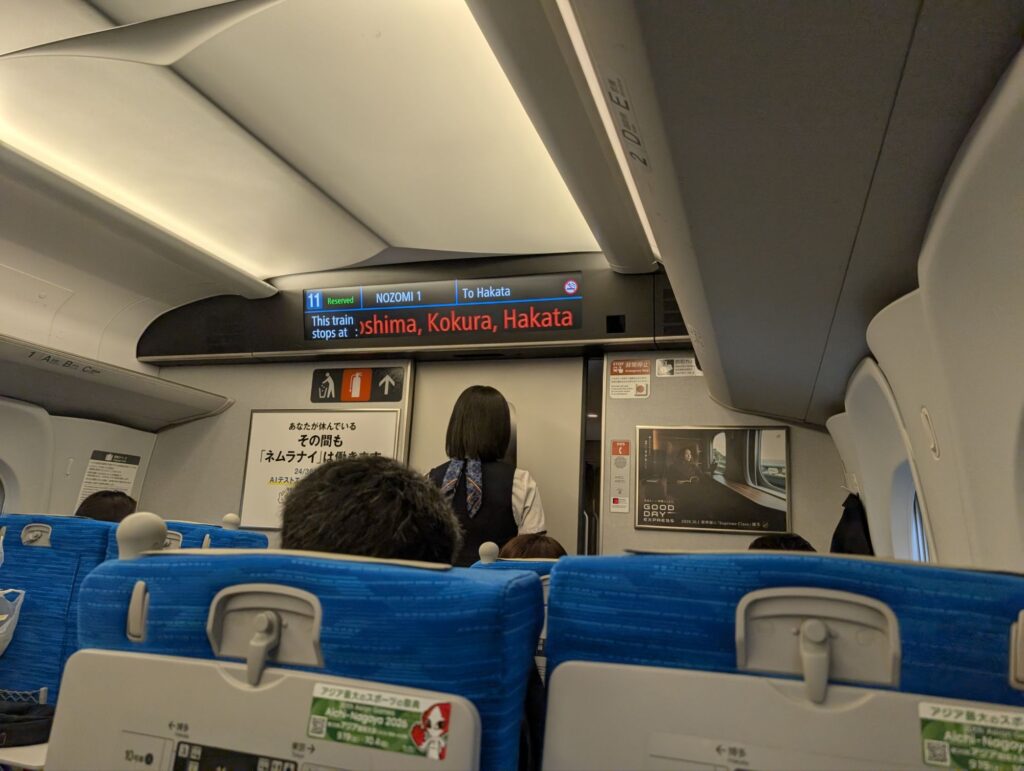
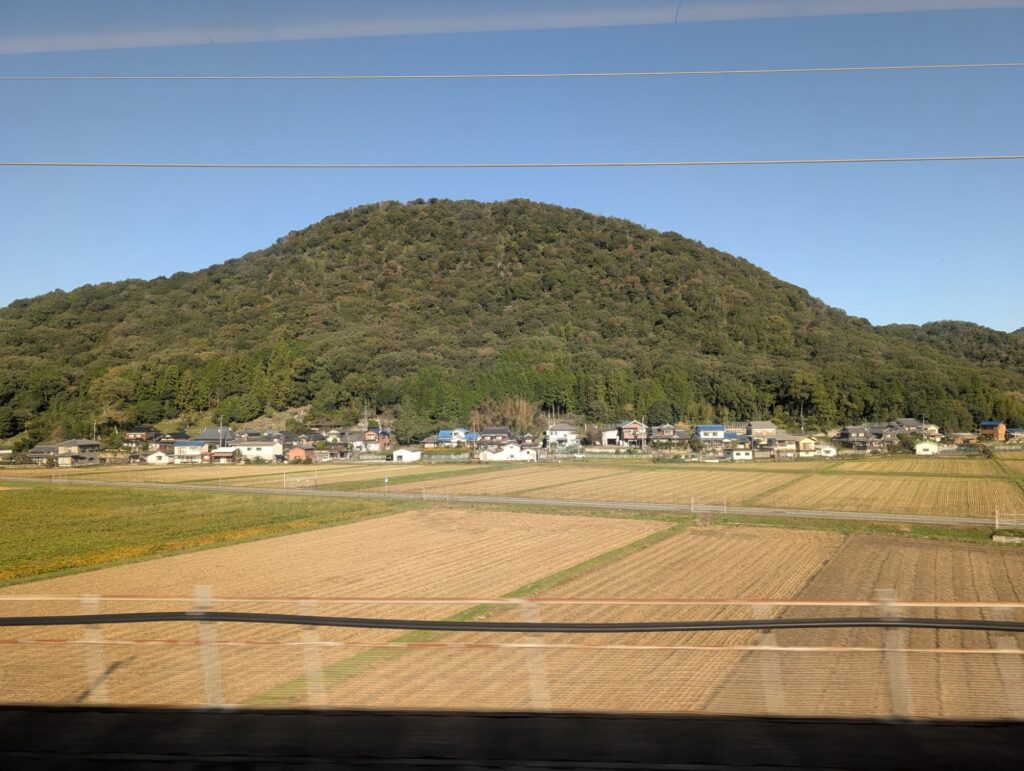
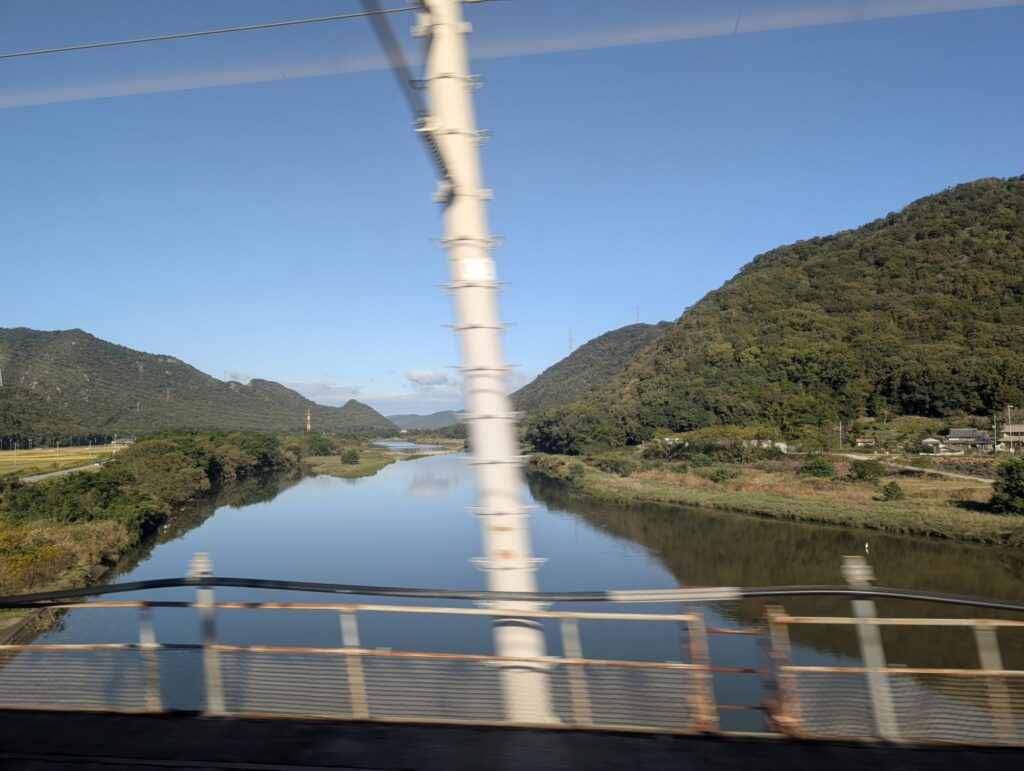
We stopped at a few stations on the way such as Osaka and Kobe, and people got off and on.
An Hour and 40 minutes later we arrived at Hiroshima station and were met on the platform Mayo, our Hiroshima guide. She shepherded us and some others who had come from Osaka out to a bus. A full size bus for only 13 of us. At first it looked like there would only be 11 as one couple were missing, however they joined us a little later at the Miyajima ferry terminal.
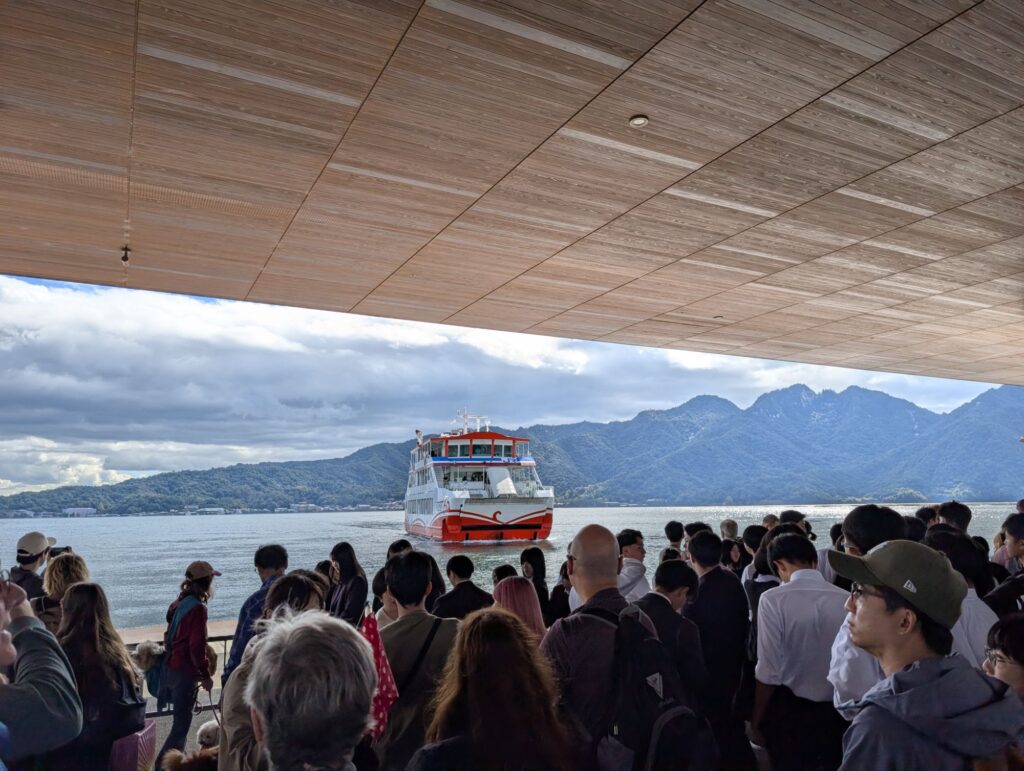
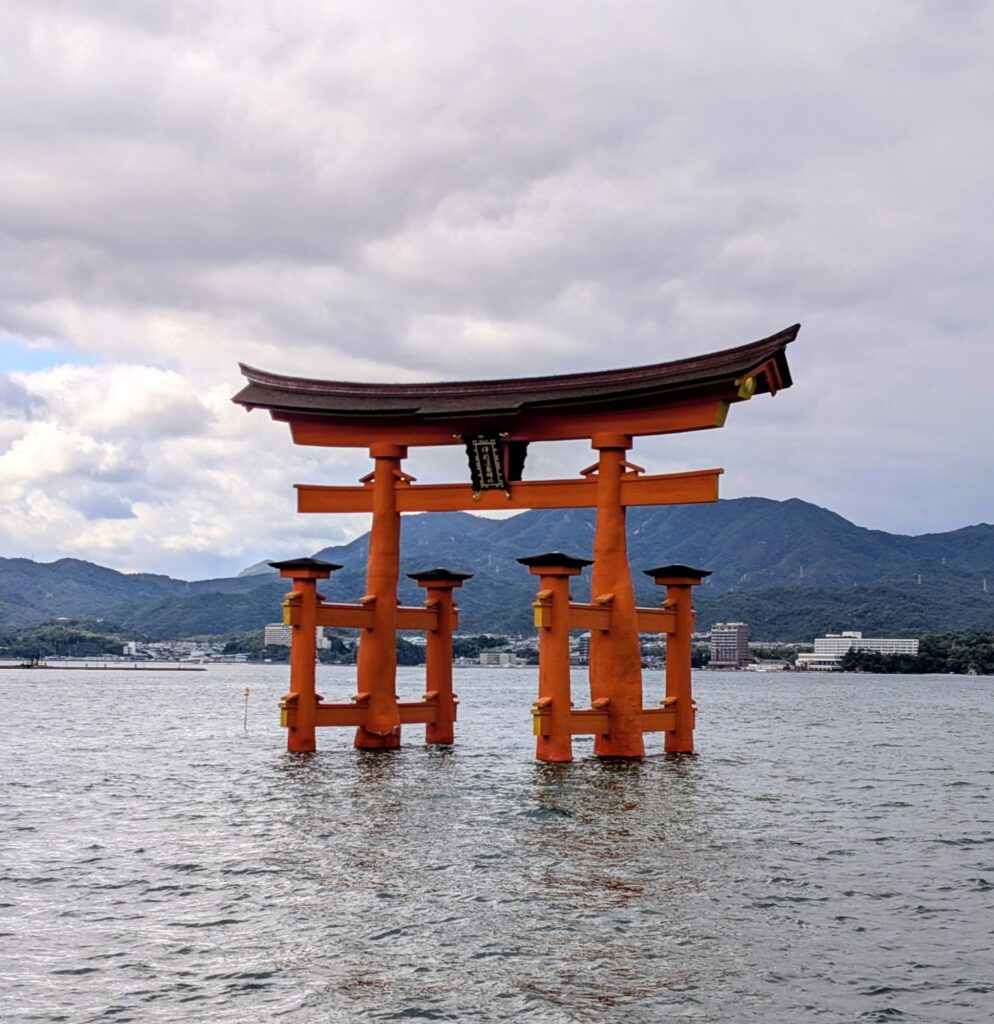
The ferry to Miyajima island takes only 10 minutes and on the way we watched the famous O-Torii gate getting closer. Miyajima Island is one of the most visited attractions in Japan, it is the location of thee Itsukushima Shrine, a famous Shinto shrine built out over the water of the Seto Inland Sea.
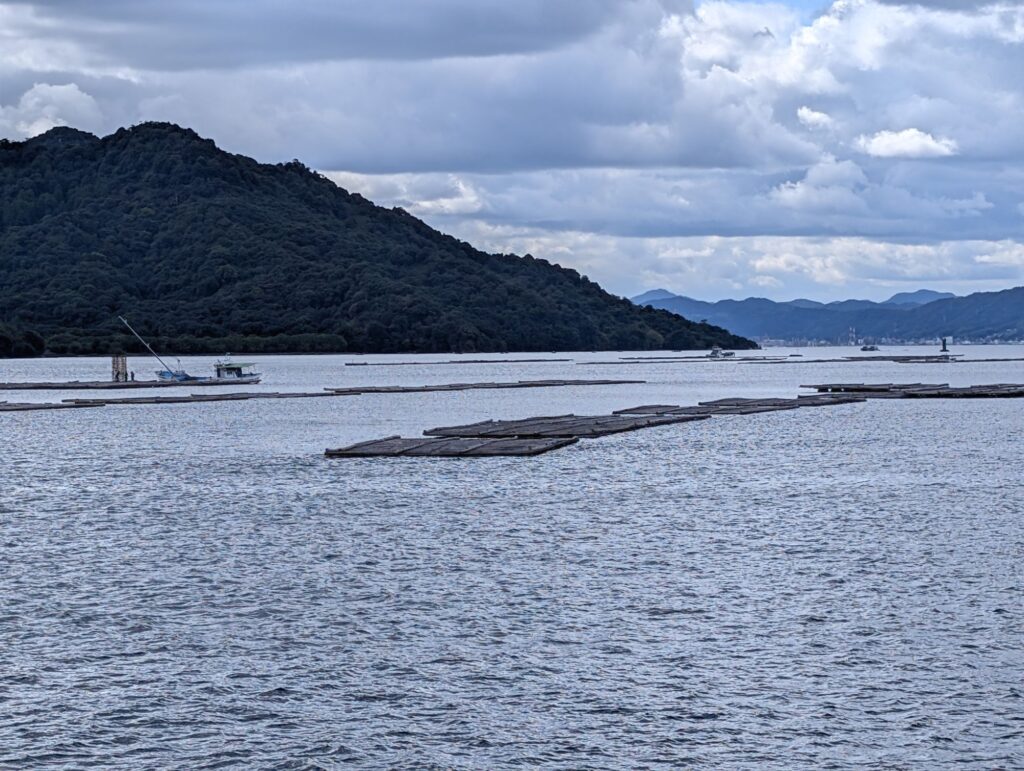
We passed an oyster farm, we’d been told that the area is famous for its very large juicy oysters.
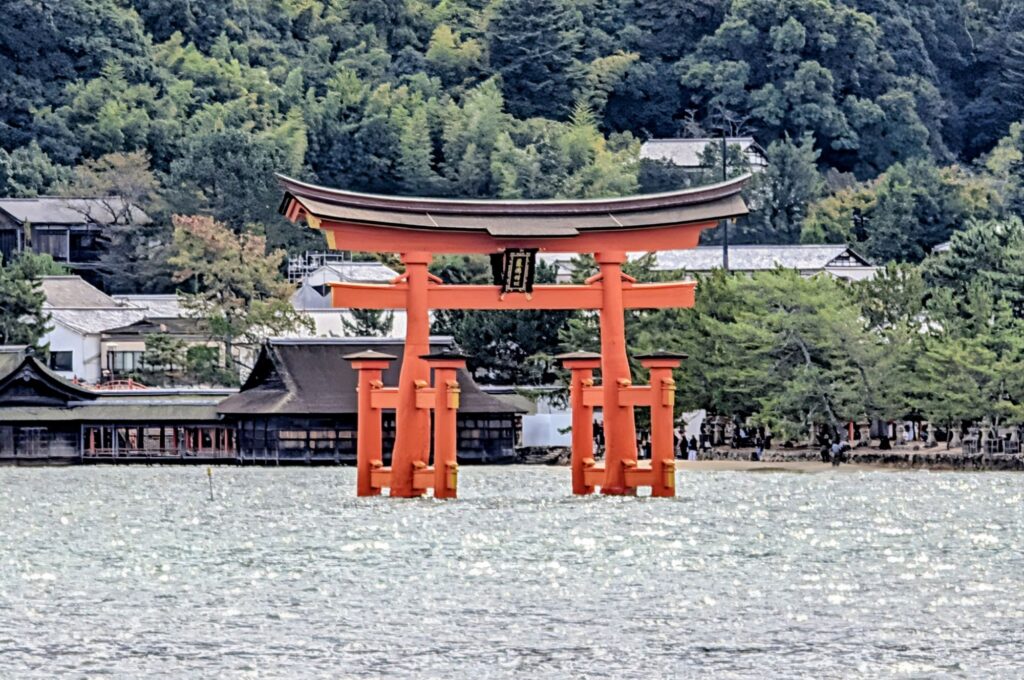
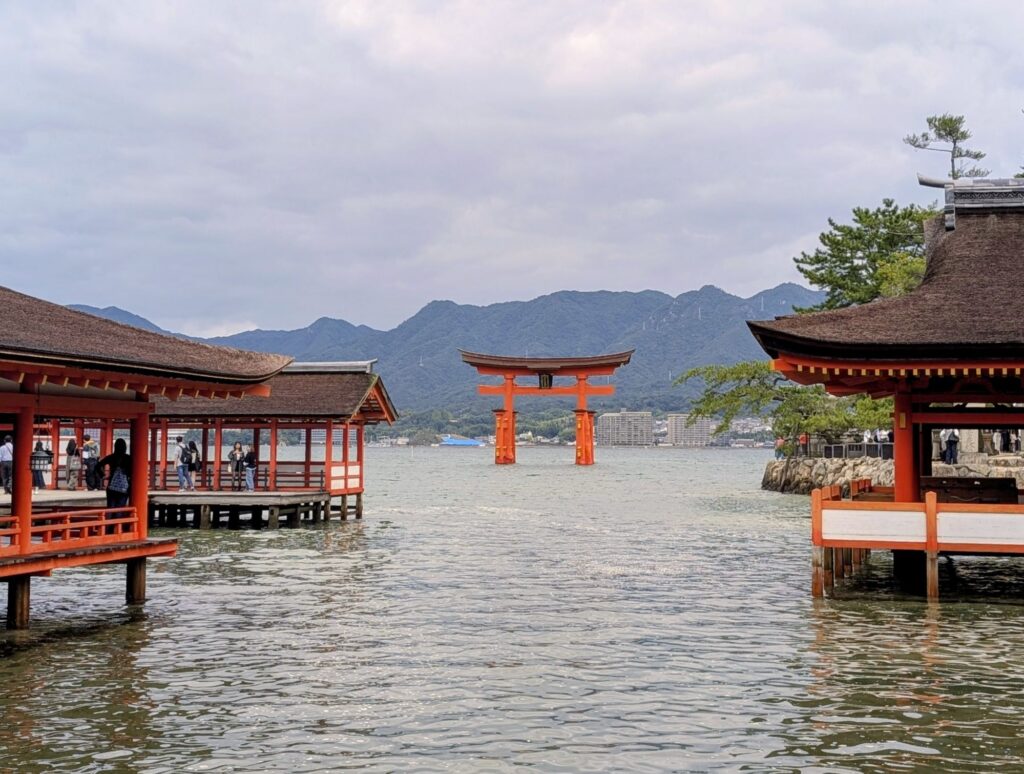
In front of it stands the iconic 16- metre tall red gate. It stands about 200 meters offshore and at high tide, as we saw it, it appears to float on the water; at low tide, the water recedes so you can walk right up to it.
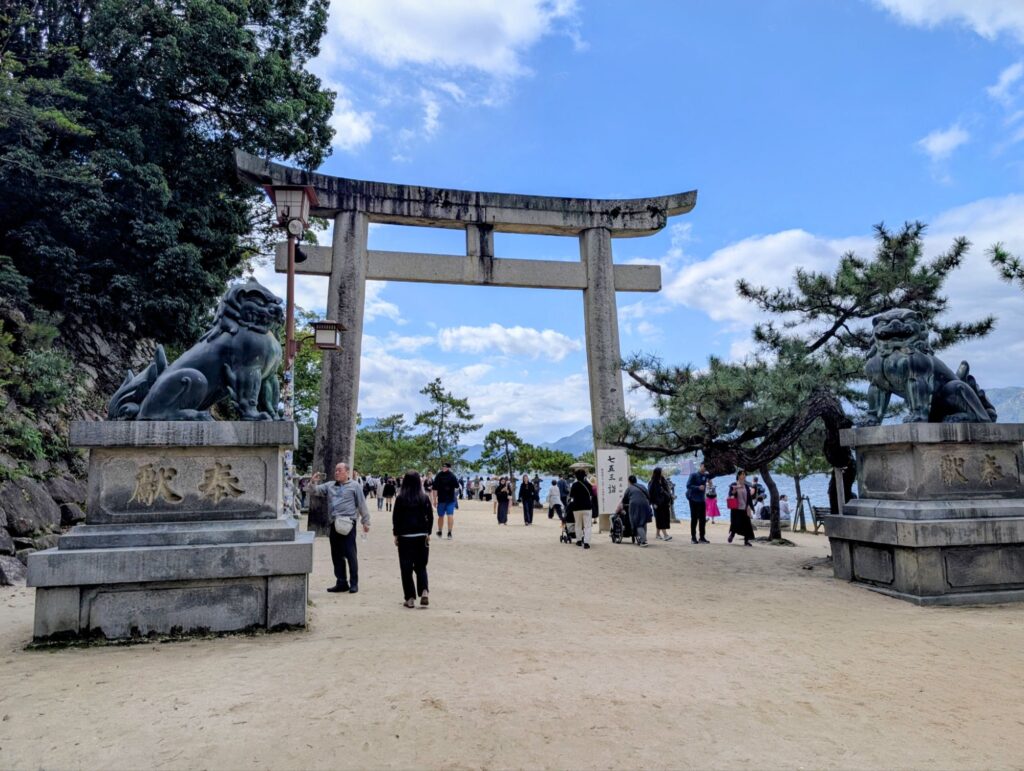
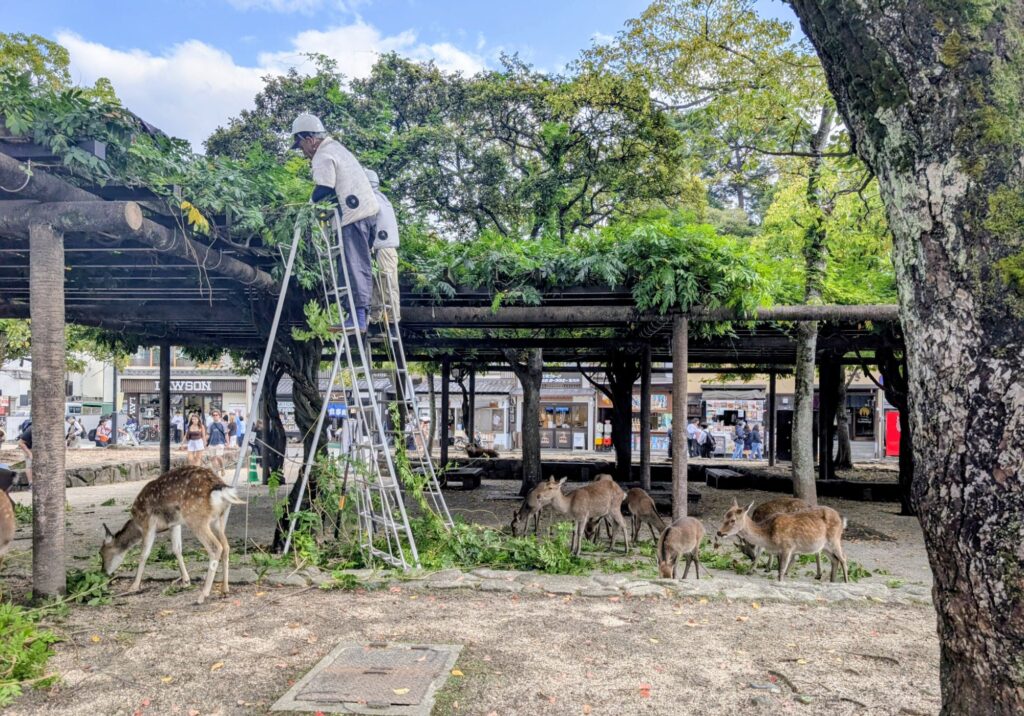
Our guide explained that we were here at a busy season, with many school groups, and there were certainly many people taking the waterfront path from the ferry terminal to the shrine. We also.passed several deer who roam free all over the island. They have learned that people carry food and are pretty brazen about trying to get some!
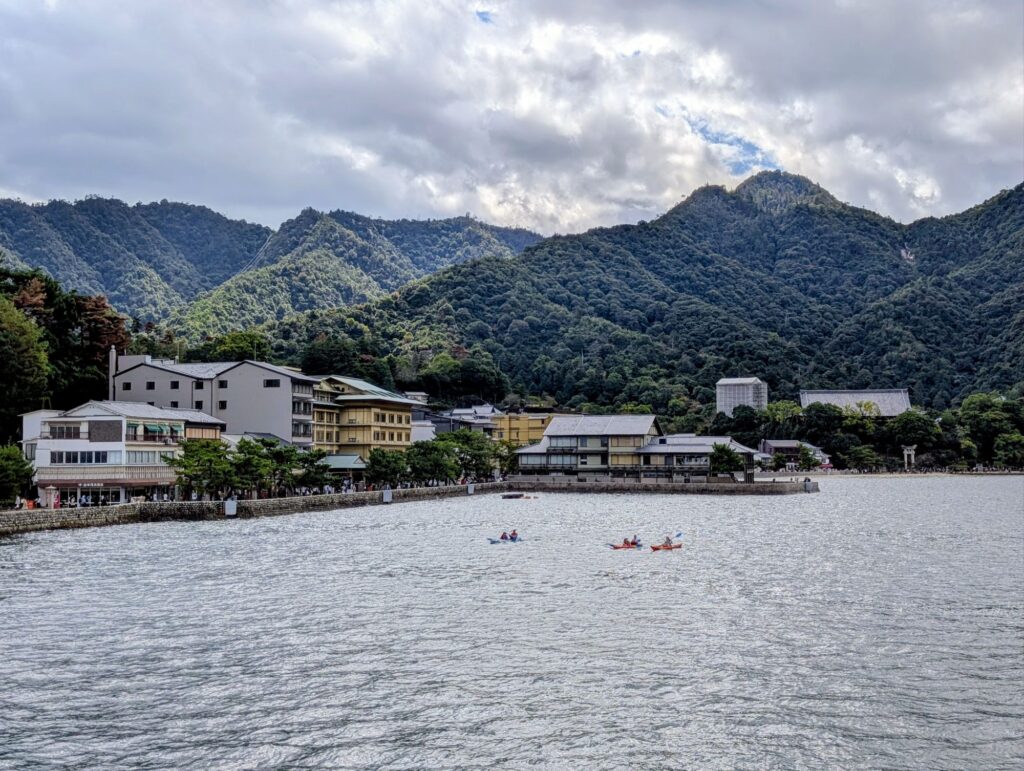
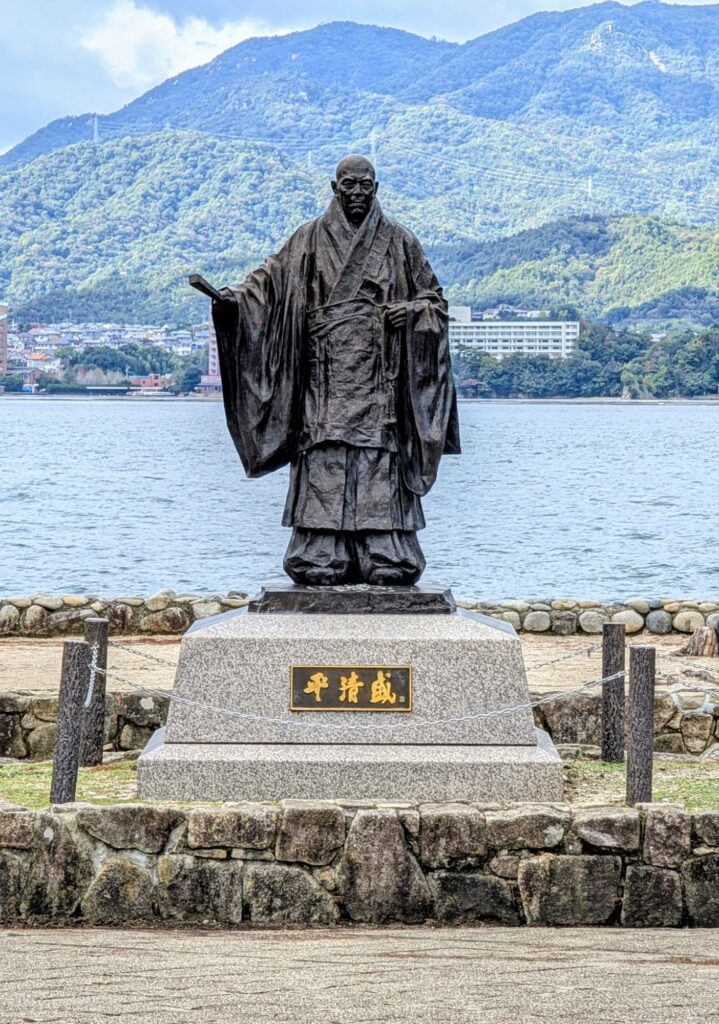
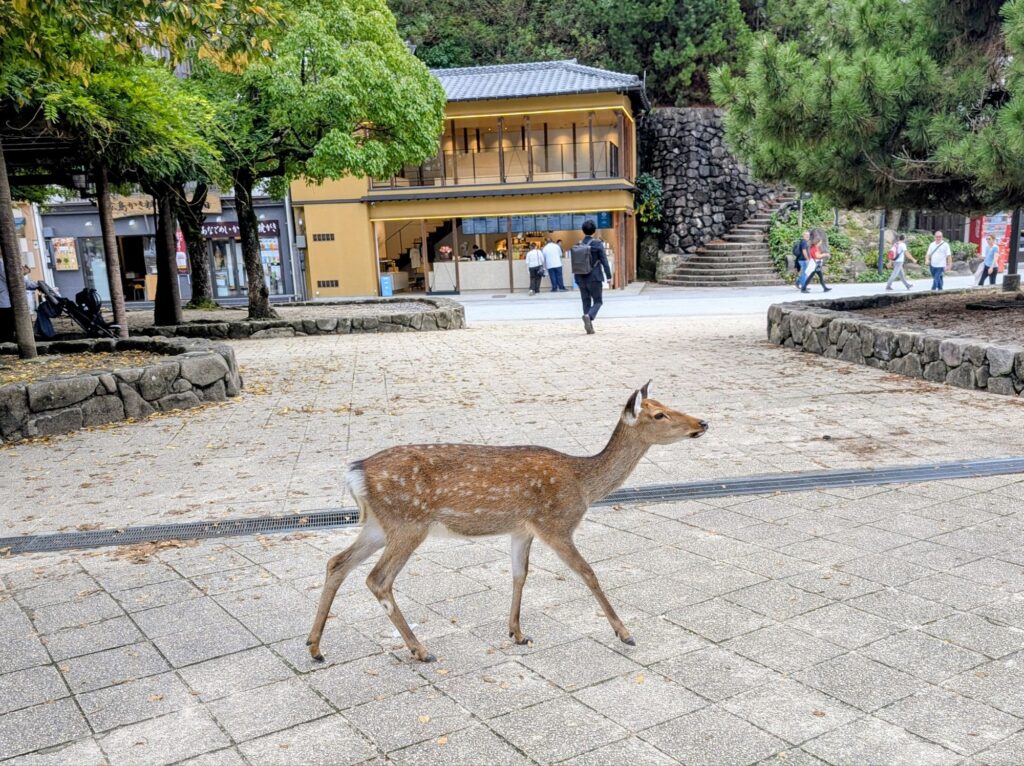
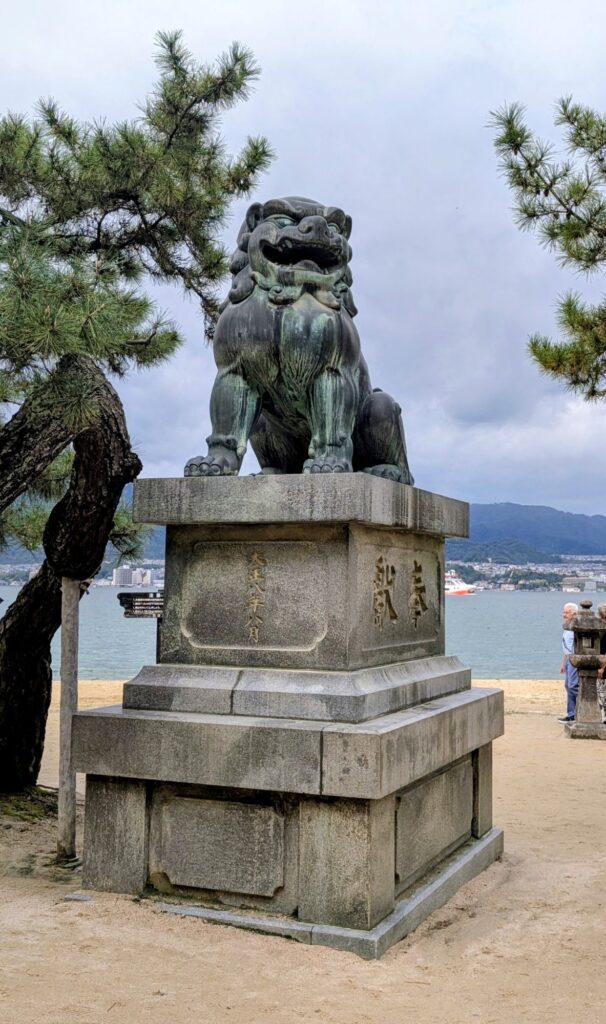
Near the shrine we had a good view of the O-Torii gate again.
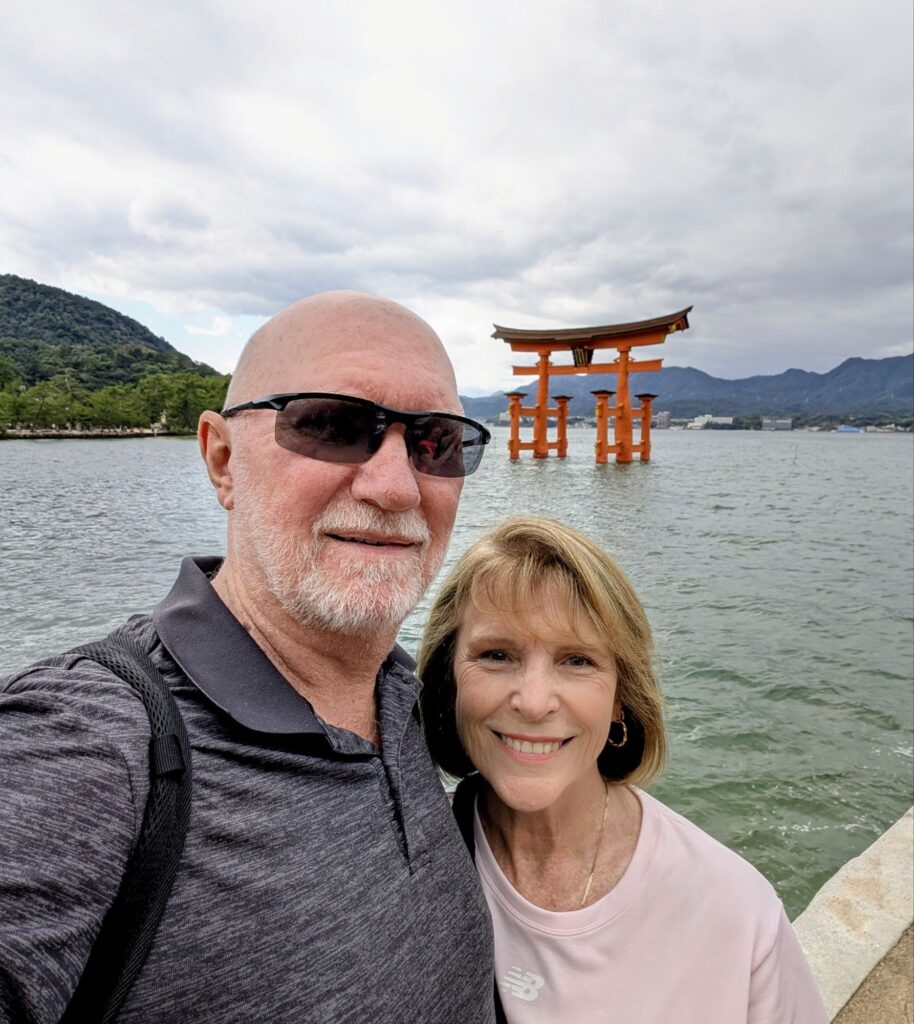
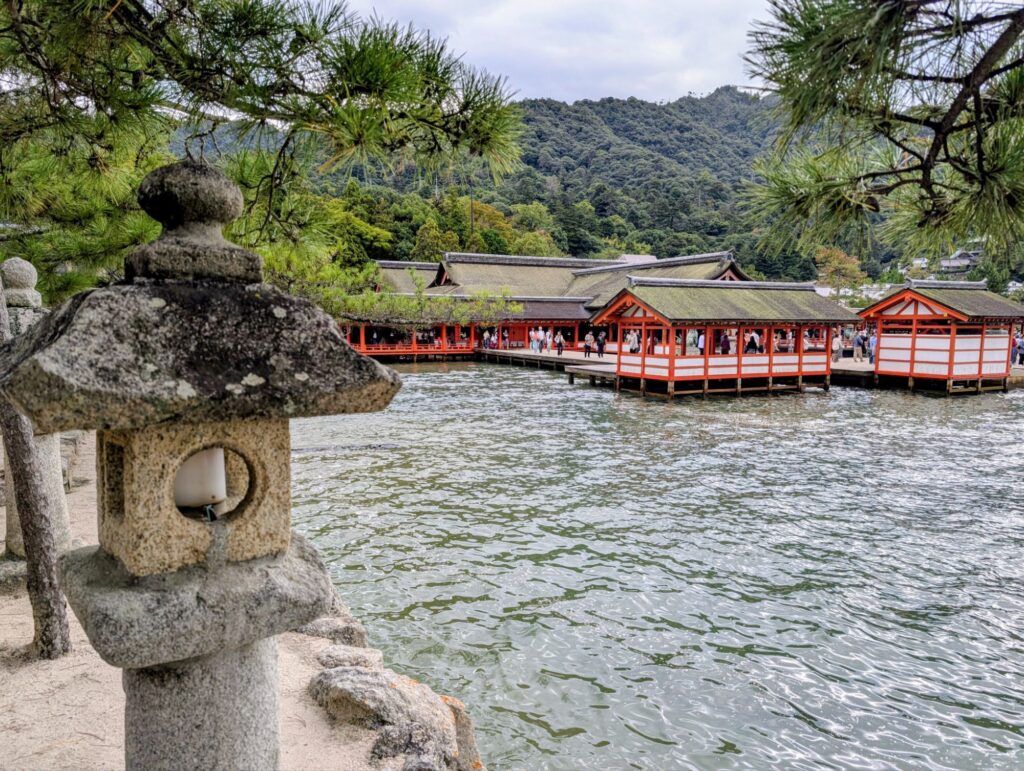
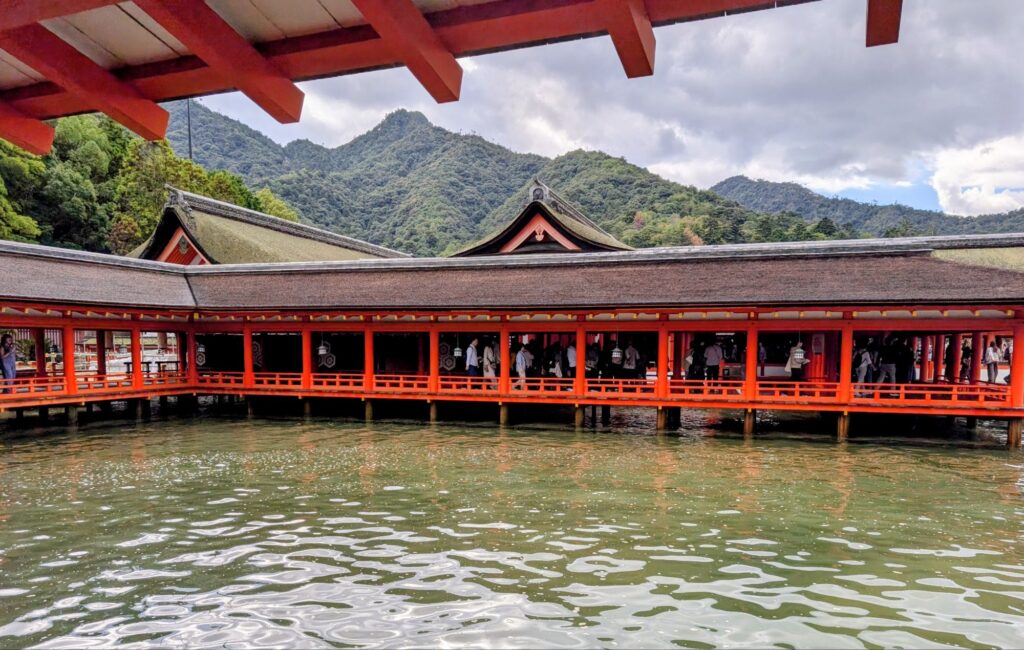
We followed the guide into the shrine. The shrine buildings, prayer hall, and corridors are built on stilts over the water so that the sacred island itself is not desecrated by footsteps. The buildings here are around 600 years old.
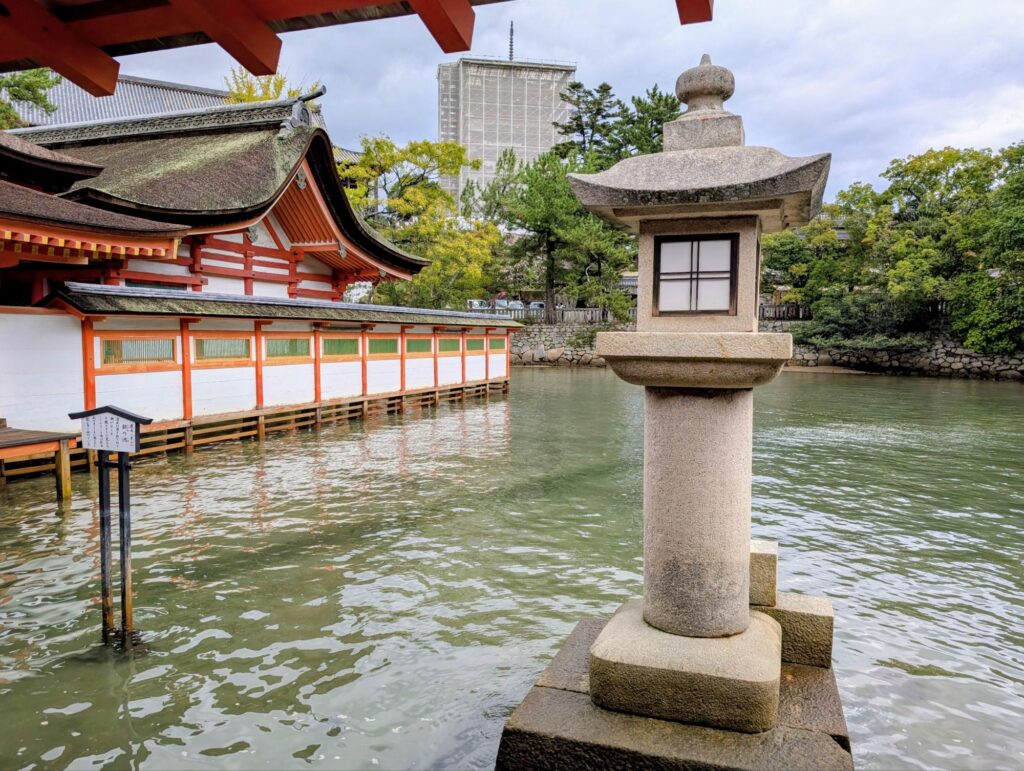
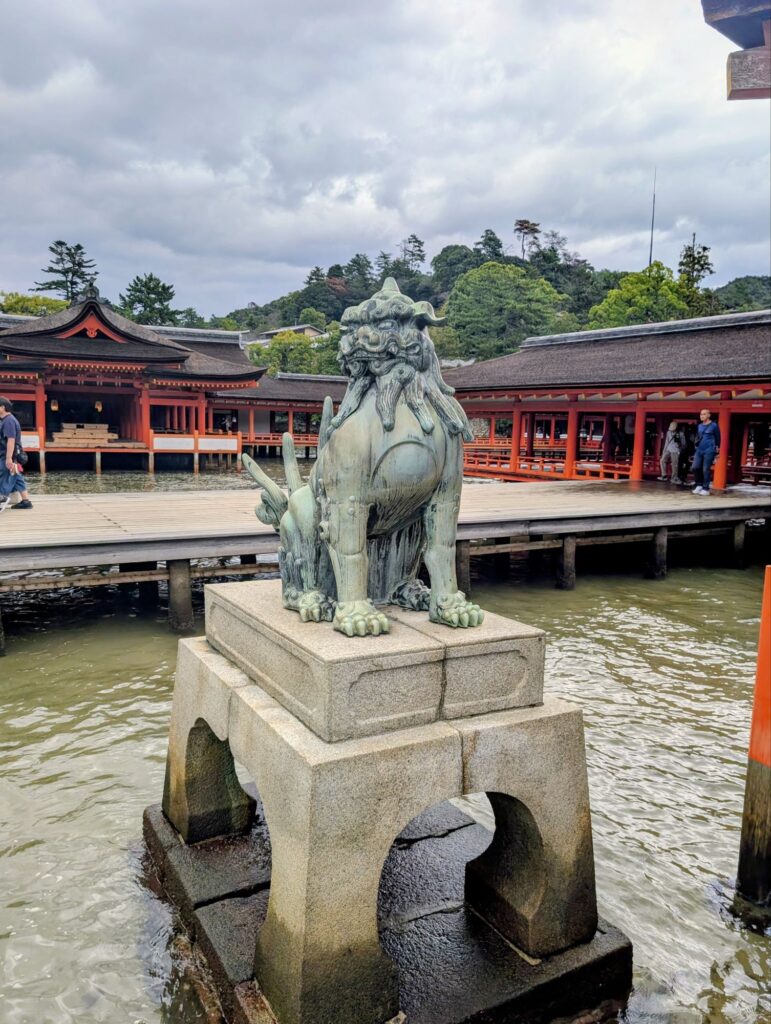
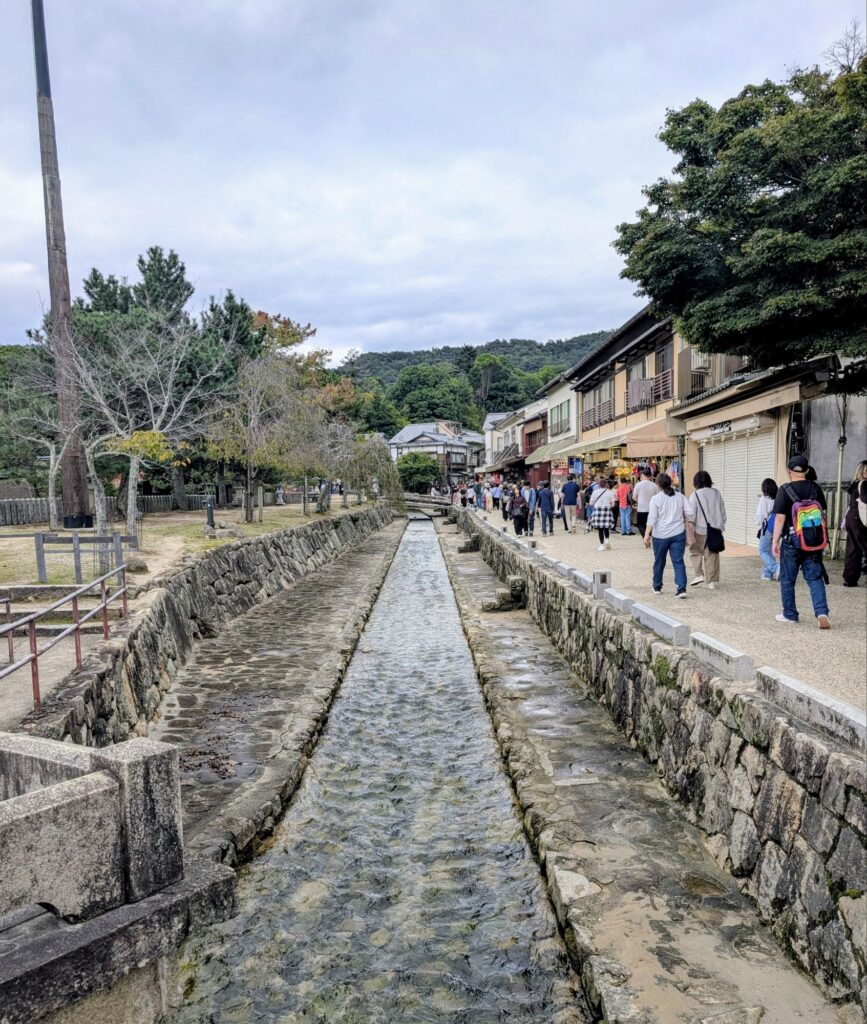
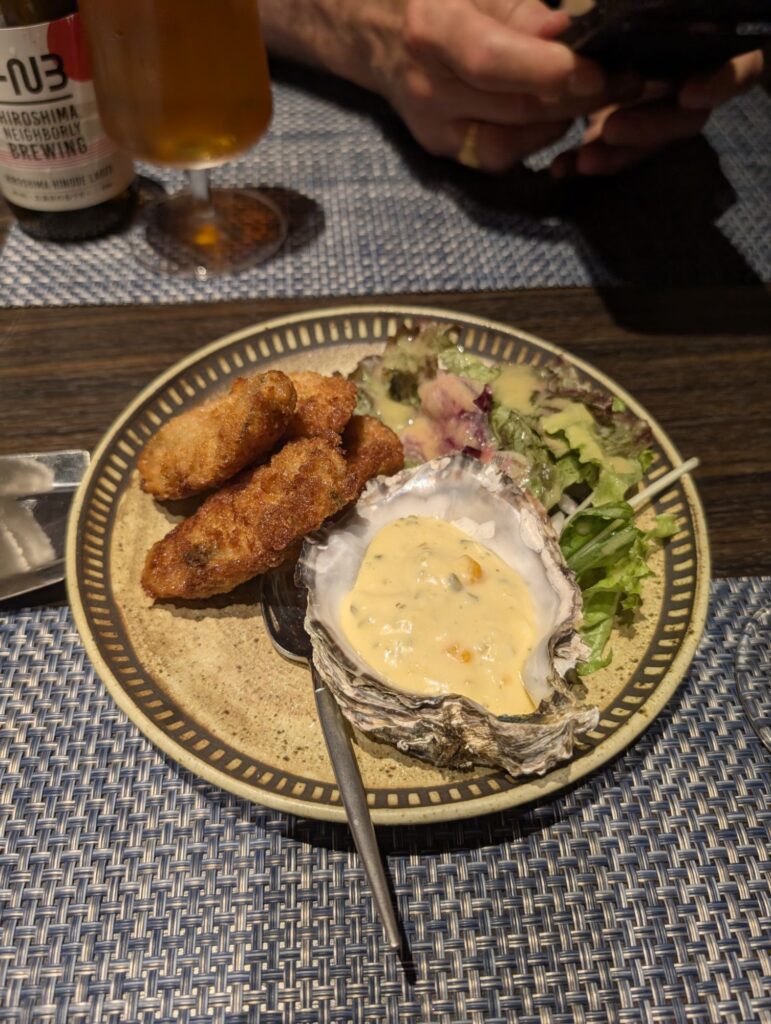
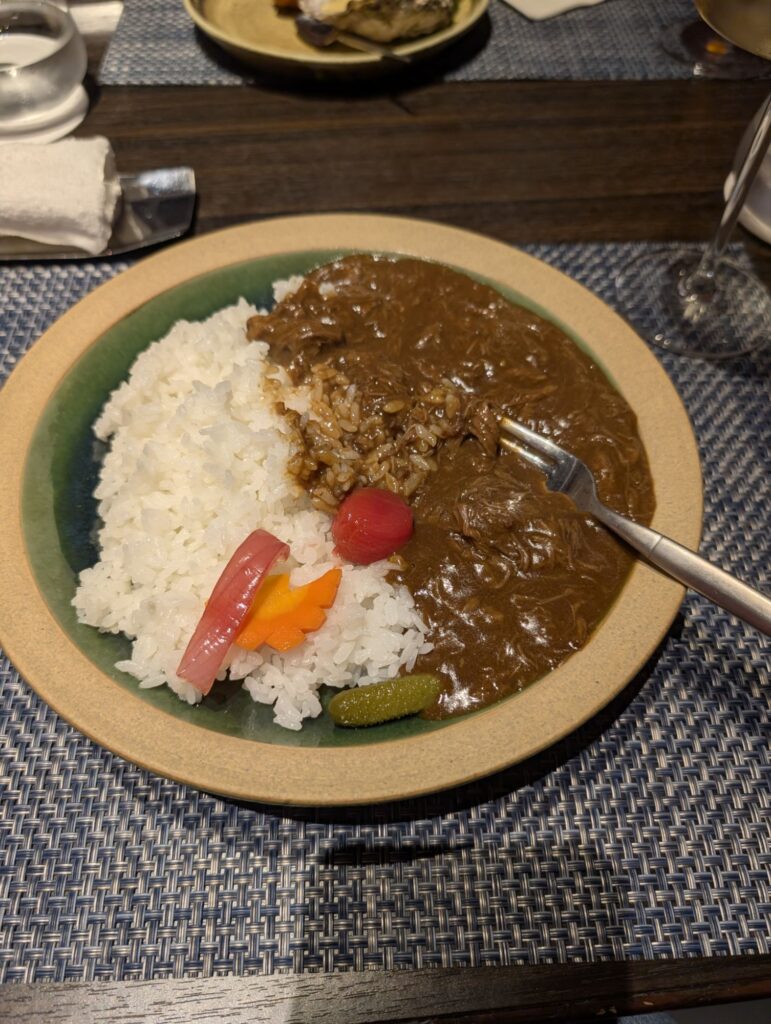
After that we all had some free time to explore and to get some lunch for ourselves. There were many shops and restaurants but everything was packed. Eventually we found one with a short queue at the door and wrote our name on their list. A short wait and we were ushered into a nice peaceful interior. We’d been told the local speciality was deep fried oysters. So we ordered them as well as a Hiroshima beef curry and Neil found a local IPA to try. We thoroughly enjoyed our lunch.
Then it was time to head back to join the others at the ferry terminal for the trip back to the mainland. We waited for the others and watched gardeners pruning vines from.a pergola with the deer cheerfully eating the cuttings.
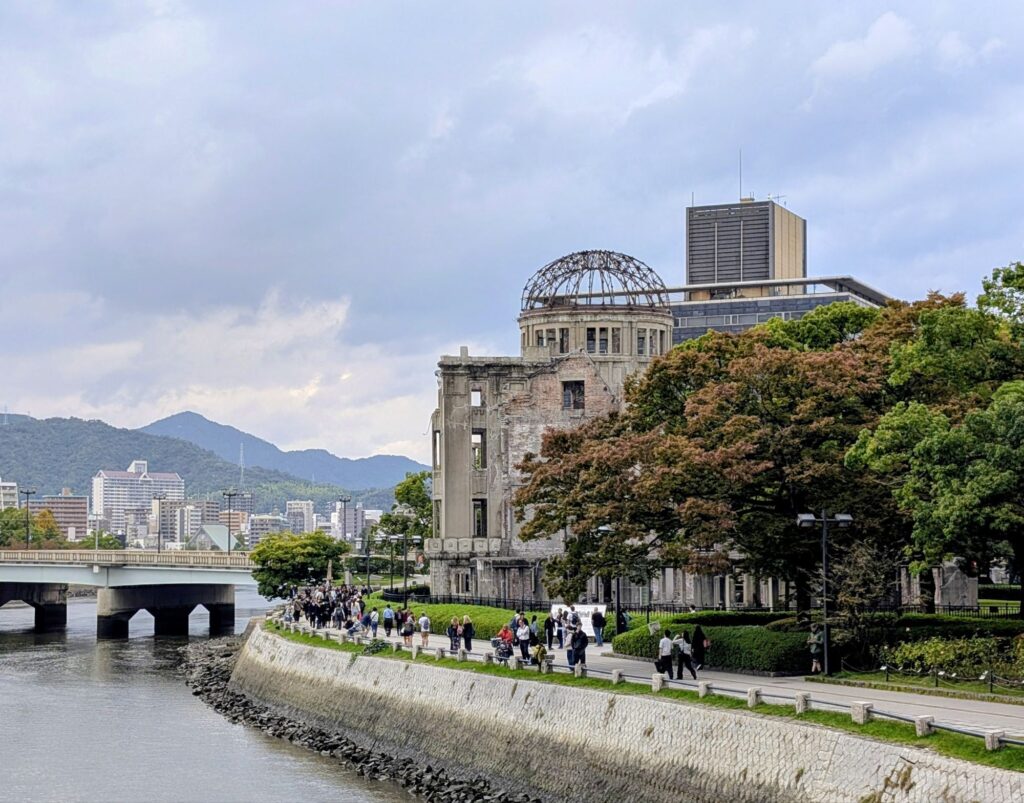
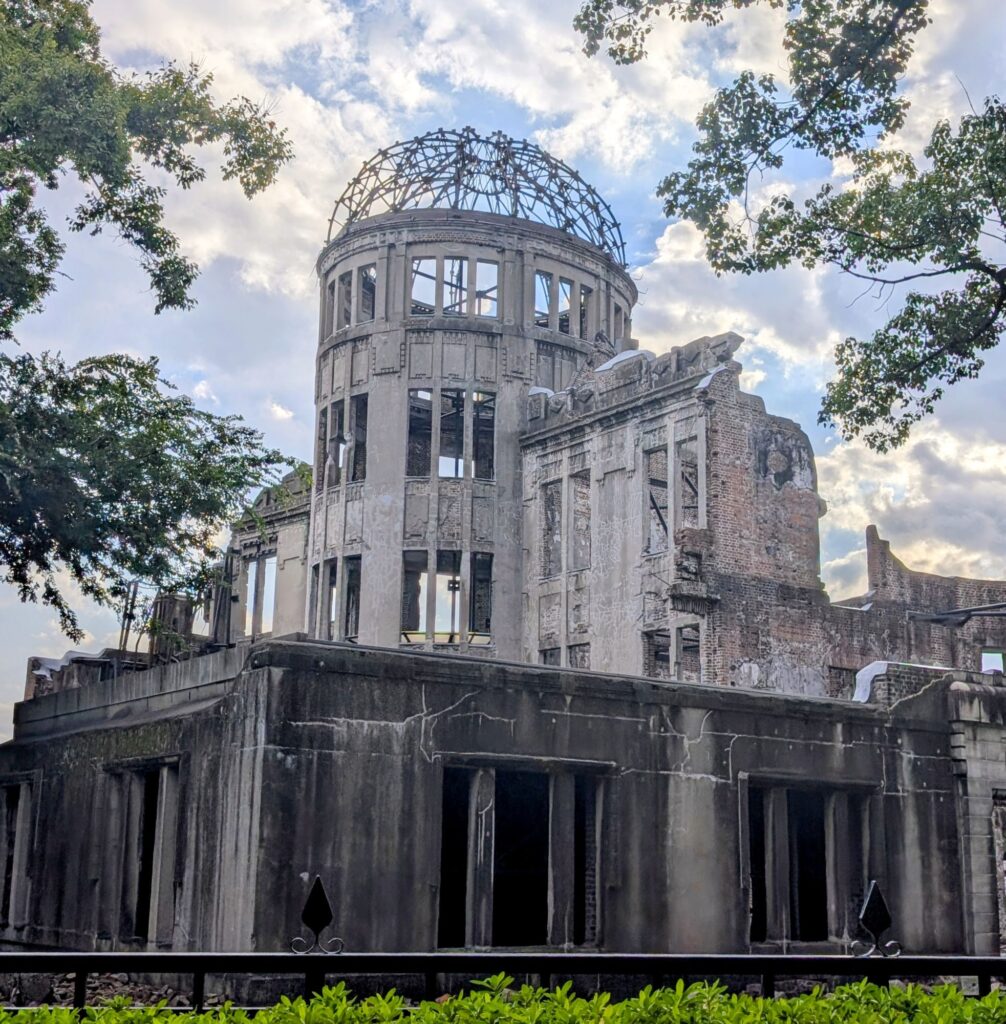
The Hiroshima Peace Park is a beautiful place. Our guide spoke to us of her family’s experiences at the time of the Hiroshima bombing – her father was a survivor, he was only a baby but had burns to his hip. One of her grandmothers survived the bombing but died of cancer ten years later. Our first stop was to see the iconic Atomic dome building. This was a government building that had an iron dome that helped it to survive. There had been conflict at the time and to whether it should be demolished, but there were many who felt it should be preserved as a reminder and their voices prevailed.
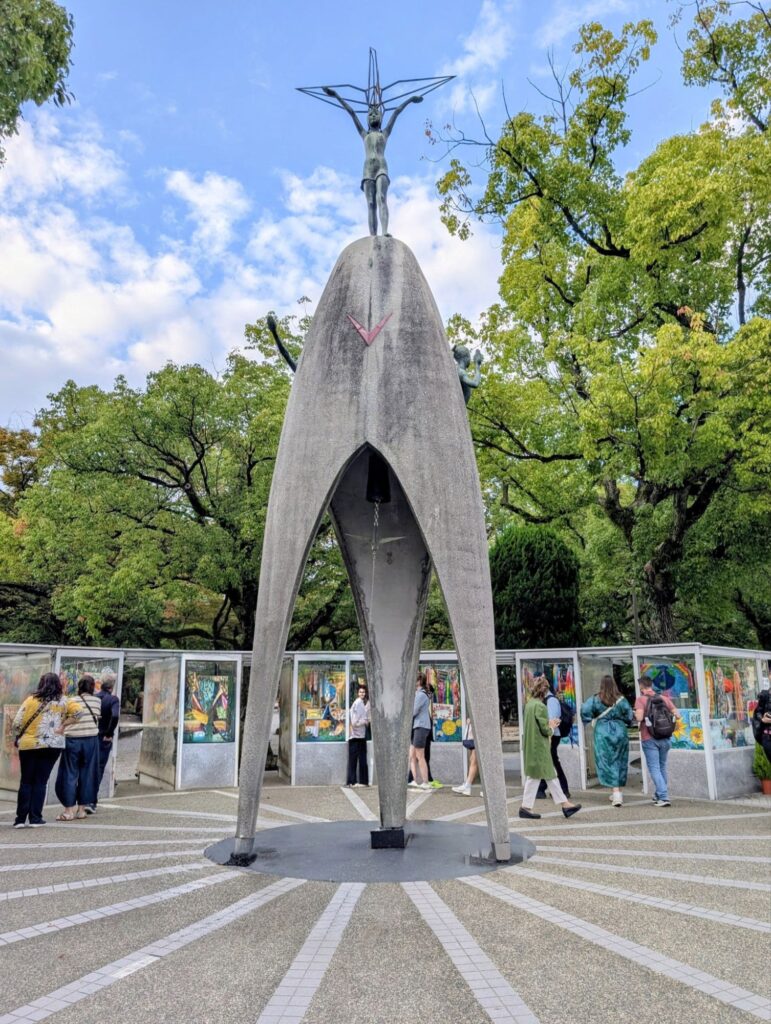
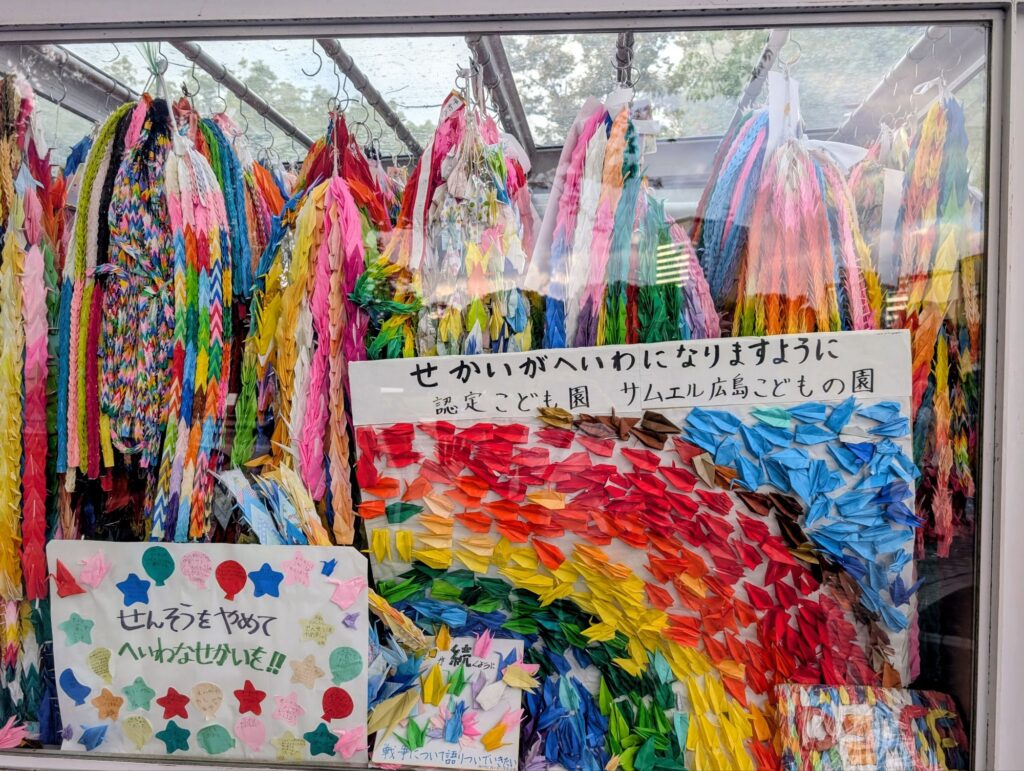
There are several fountains and water ponds in the park as after the bombing many people were desperately begging for water. And there are a number of other memorials , such as the Children’s peace Memorial. This one was established after the death of Sadako Sasaki, to honor her and all children lost to the bombing. She was two years old in 1945 and ten years later developed Acute Leukaemia. She began folding paper cranes as therevwas a tradition that 1000 paper cranes would bring good luck. She died two years later after golfing over 1200 paper cranes. Today, millions of paper cranes are sent there from around the world and many are displayed in cases near the memorial.
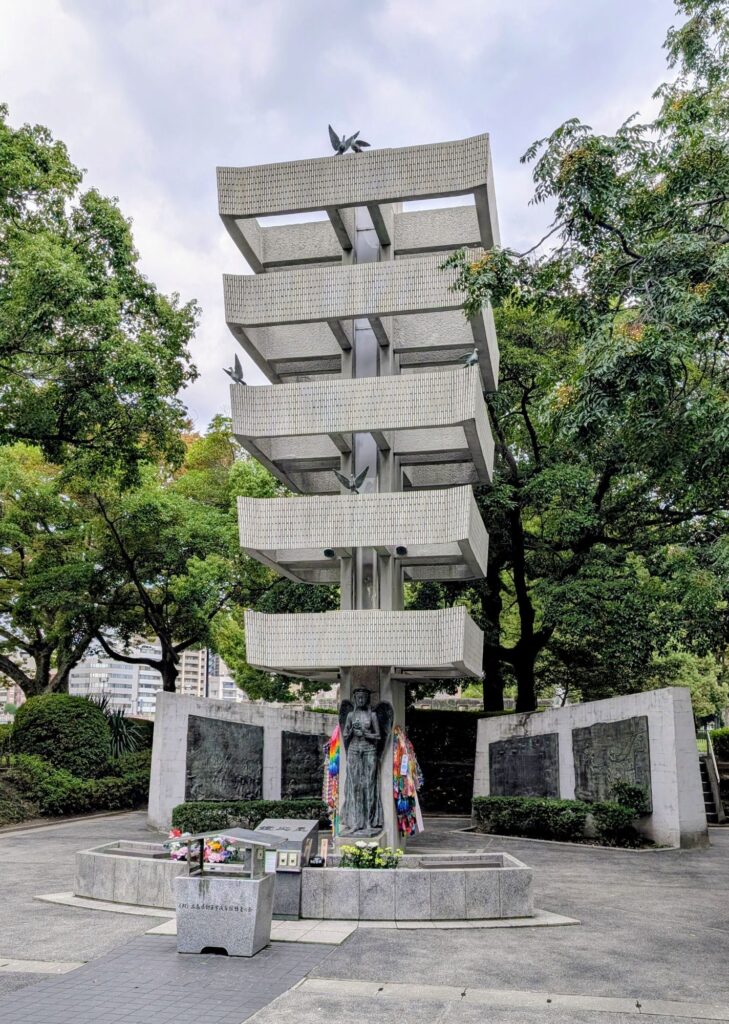
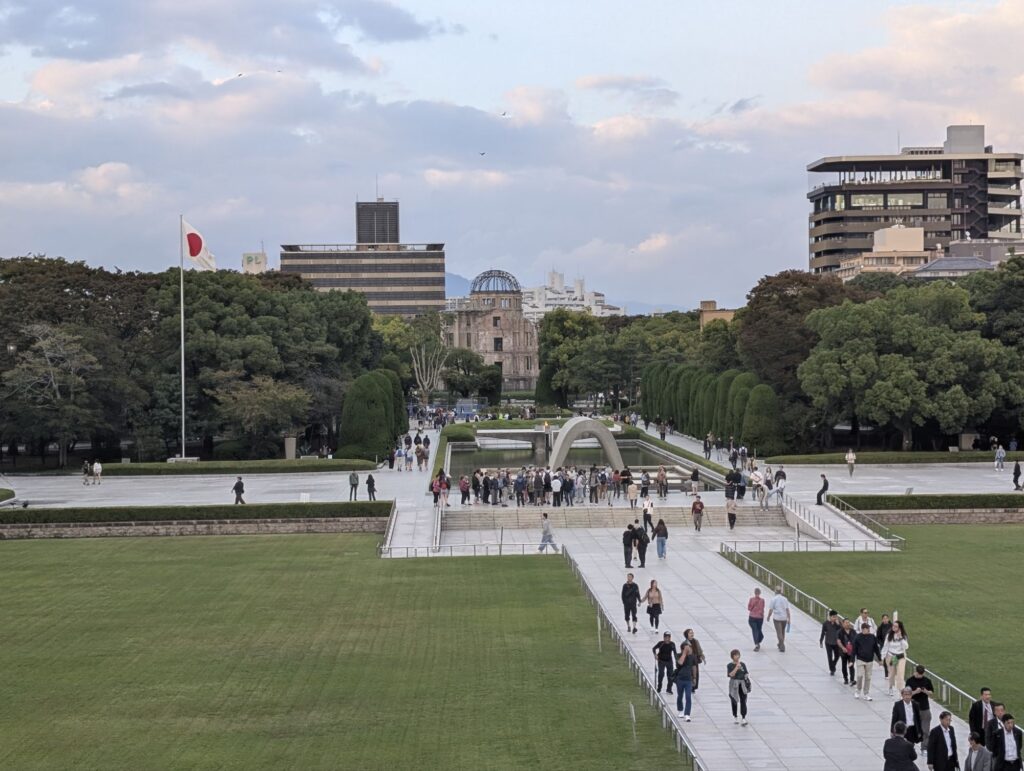
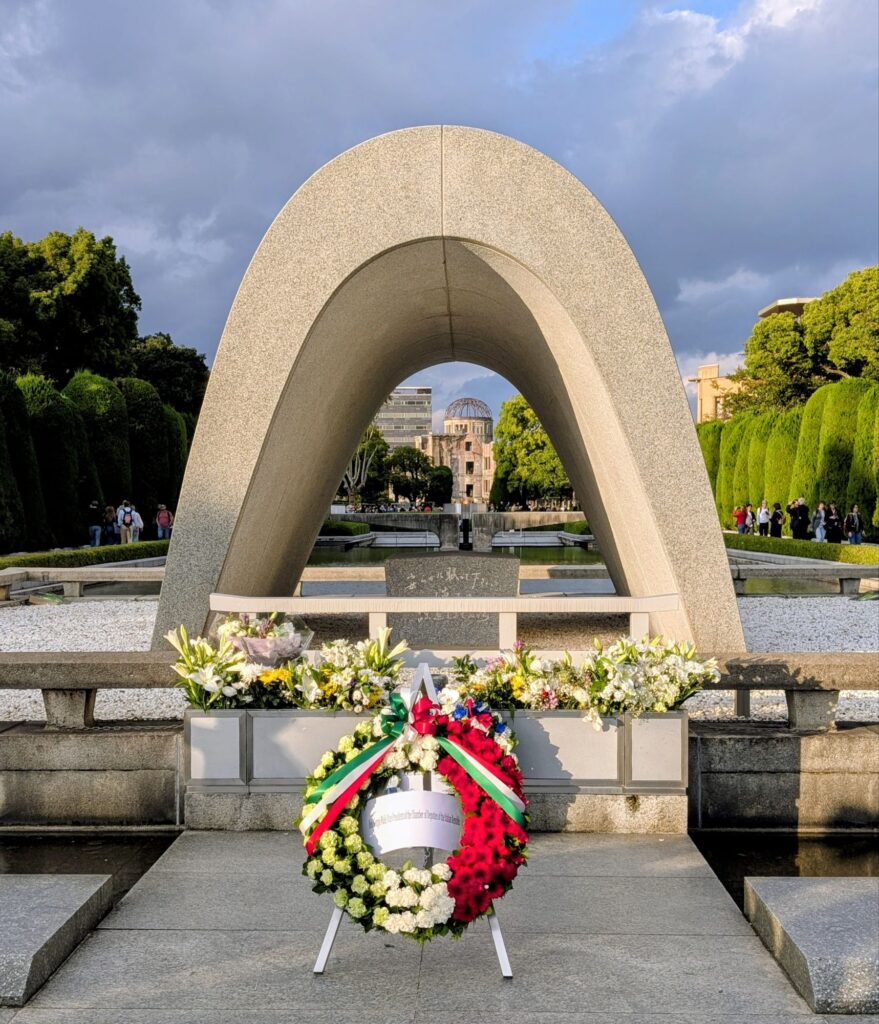
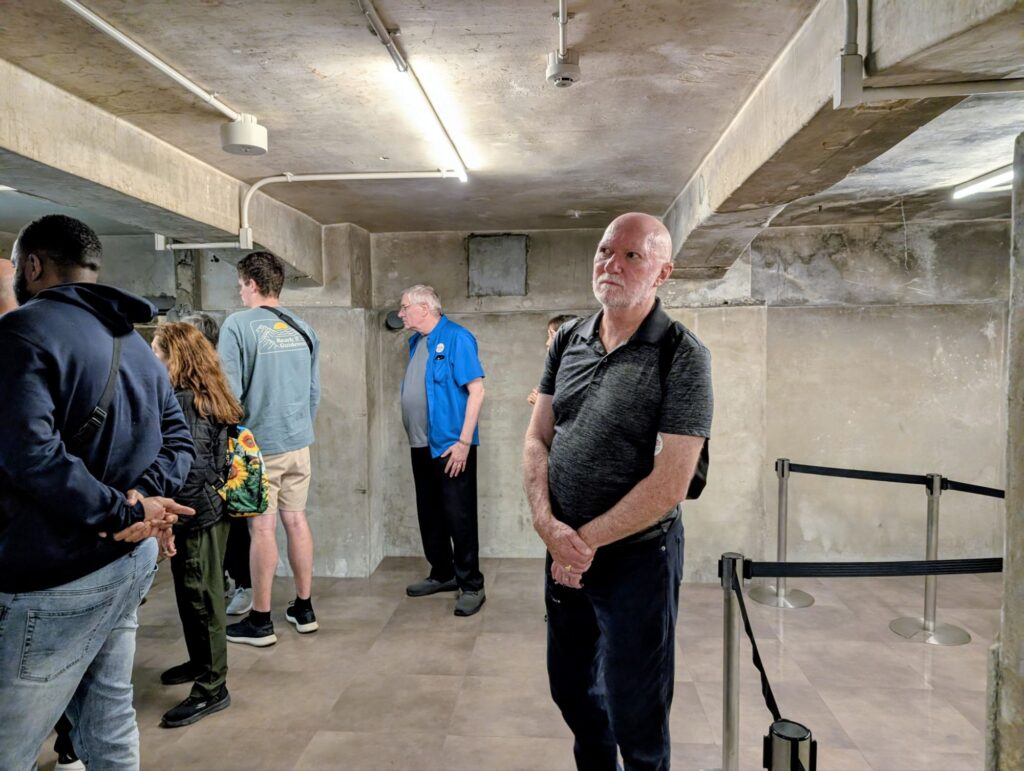
Mayo took us into a building which is now an information center. St the time a man had survived because he just happened to go down to the basement a few minutes before the bombing. We saw his story as well as a display showing what the city layout was on the day.
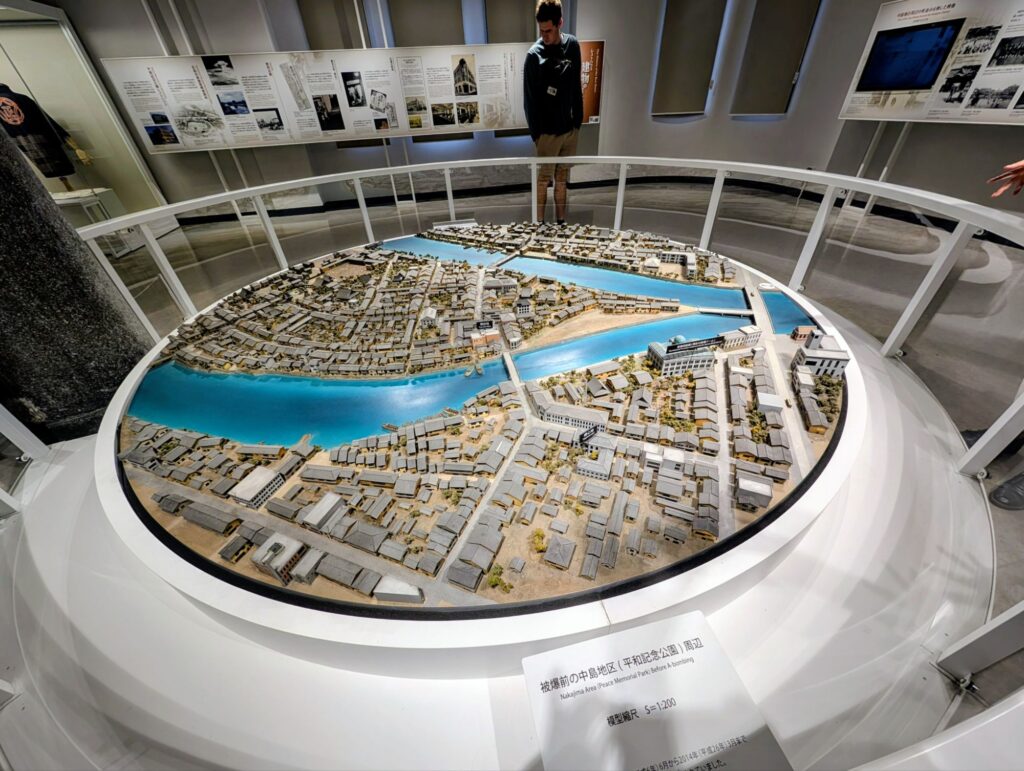
The T shaped bridge on the right was the target for the bombers as it was easily viewable from the air.
Finally we visited the Hiroshima Museum and shuffled through the displays. I say shuffled because it was absolutely packed with people and moved very slowly. There were many pictures and items that were saved from the destruction but sadly the experience here was diminished by the crowd. Neil’s knees were pretty sore as well so we moved through as quickly as we could .
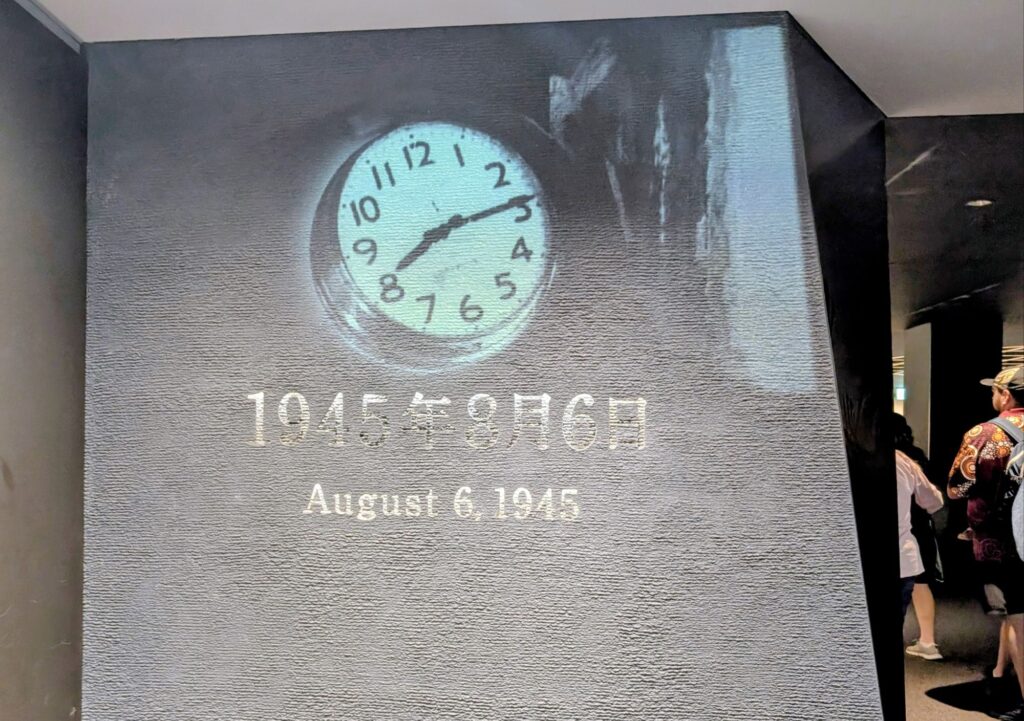
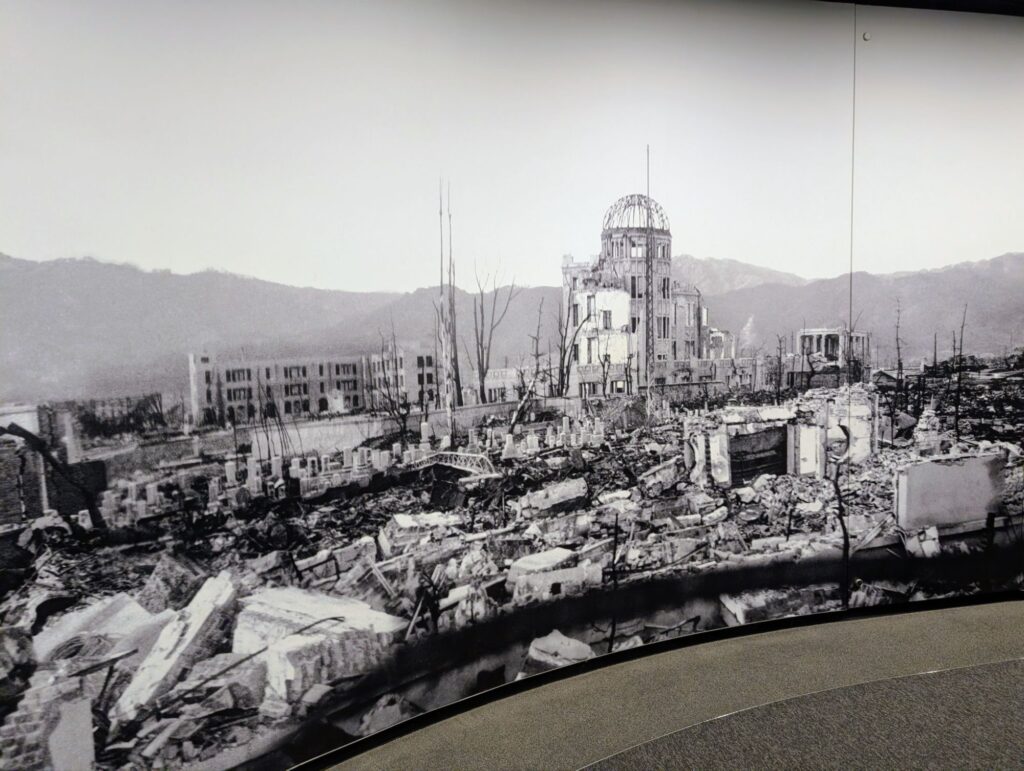
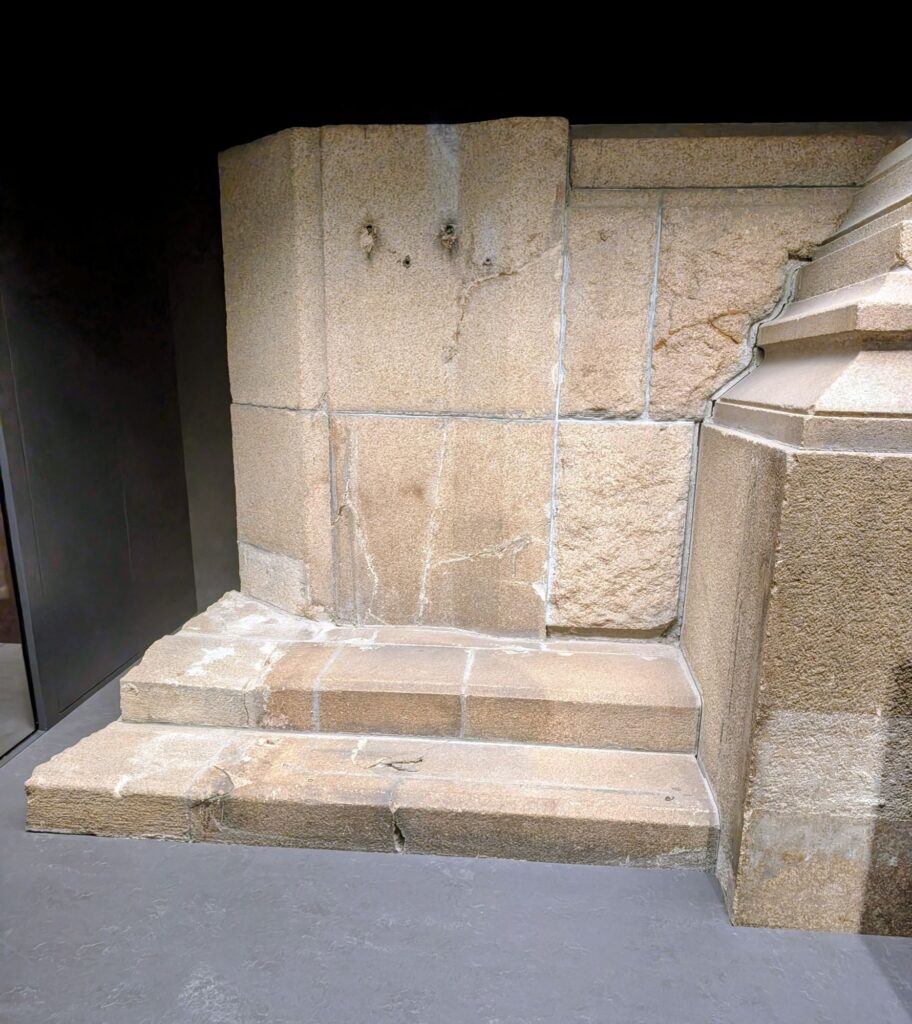
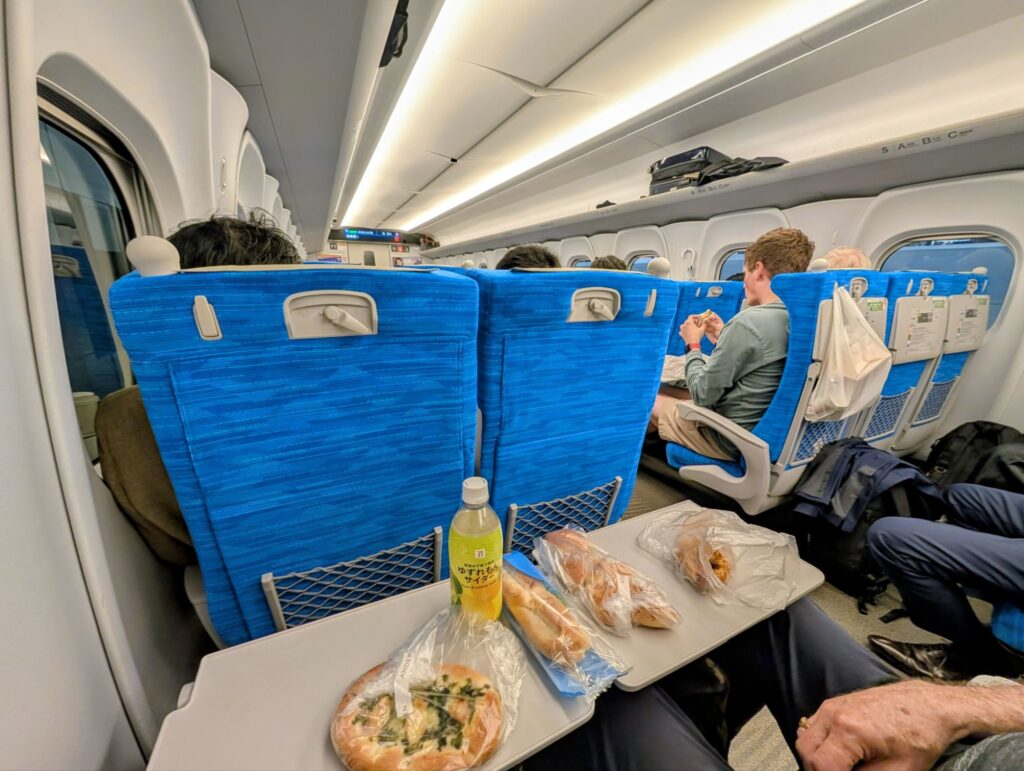
We sat in the small cafe for a while until it was time to head back to the bus and the station for our trip back to Kyoto. We bought some food in the station and tucked in on the train. Then we took turns nodding off! We were very tired. I’ve started a cold and don’t feel great. Tomorrow is our last day and we’re booked on an Early Morning tour to see a few of the Kyoto main sites.