


They say that sharing is caring… so I guess I should be flattered that Neil has caringly shared his cold with me! I’m feeling pretty blah, so the blog posts for the next few days may be a bit sparse on detail and have an excess of spelling mistakes.
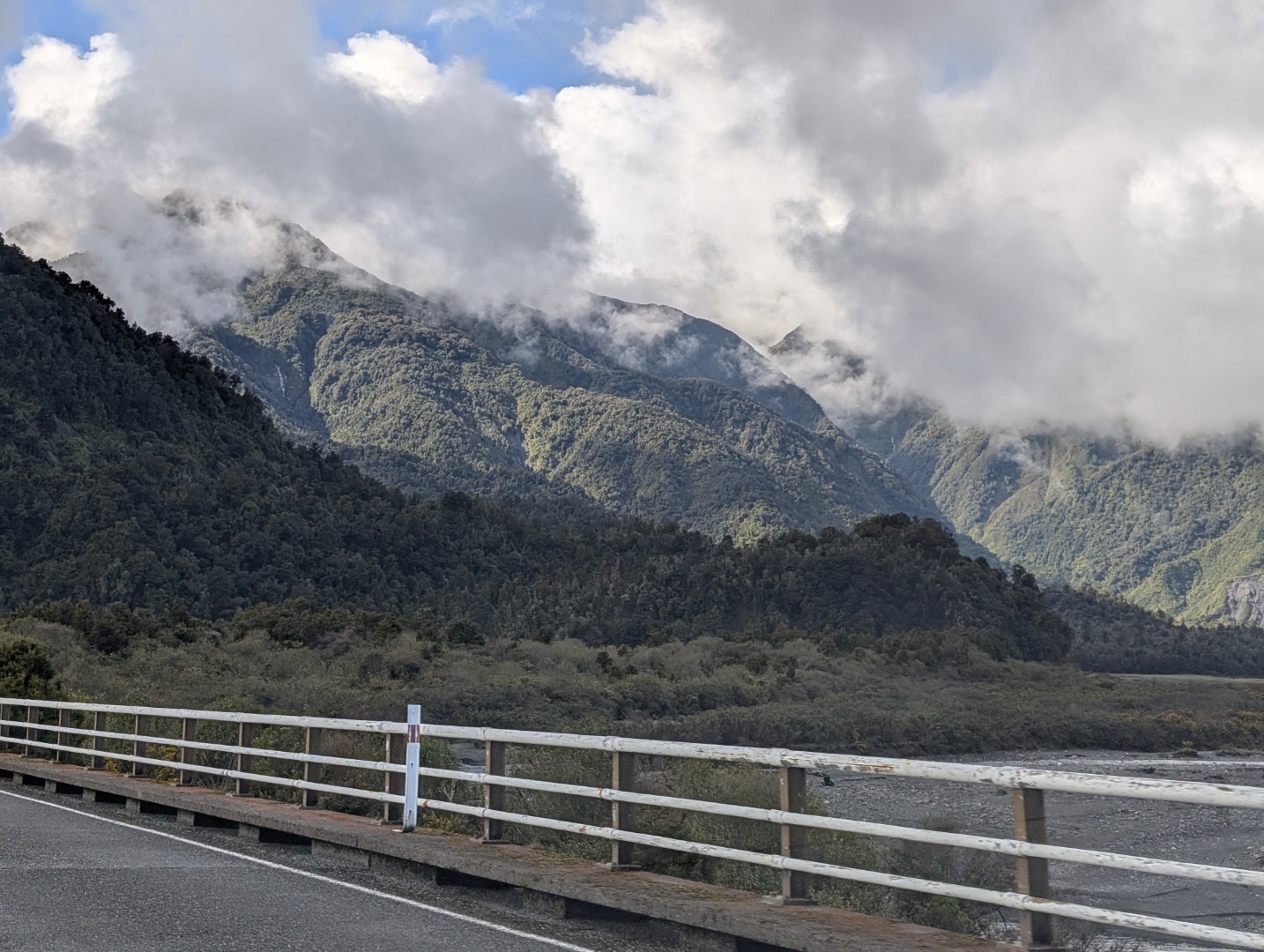
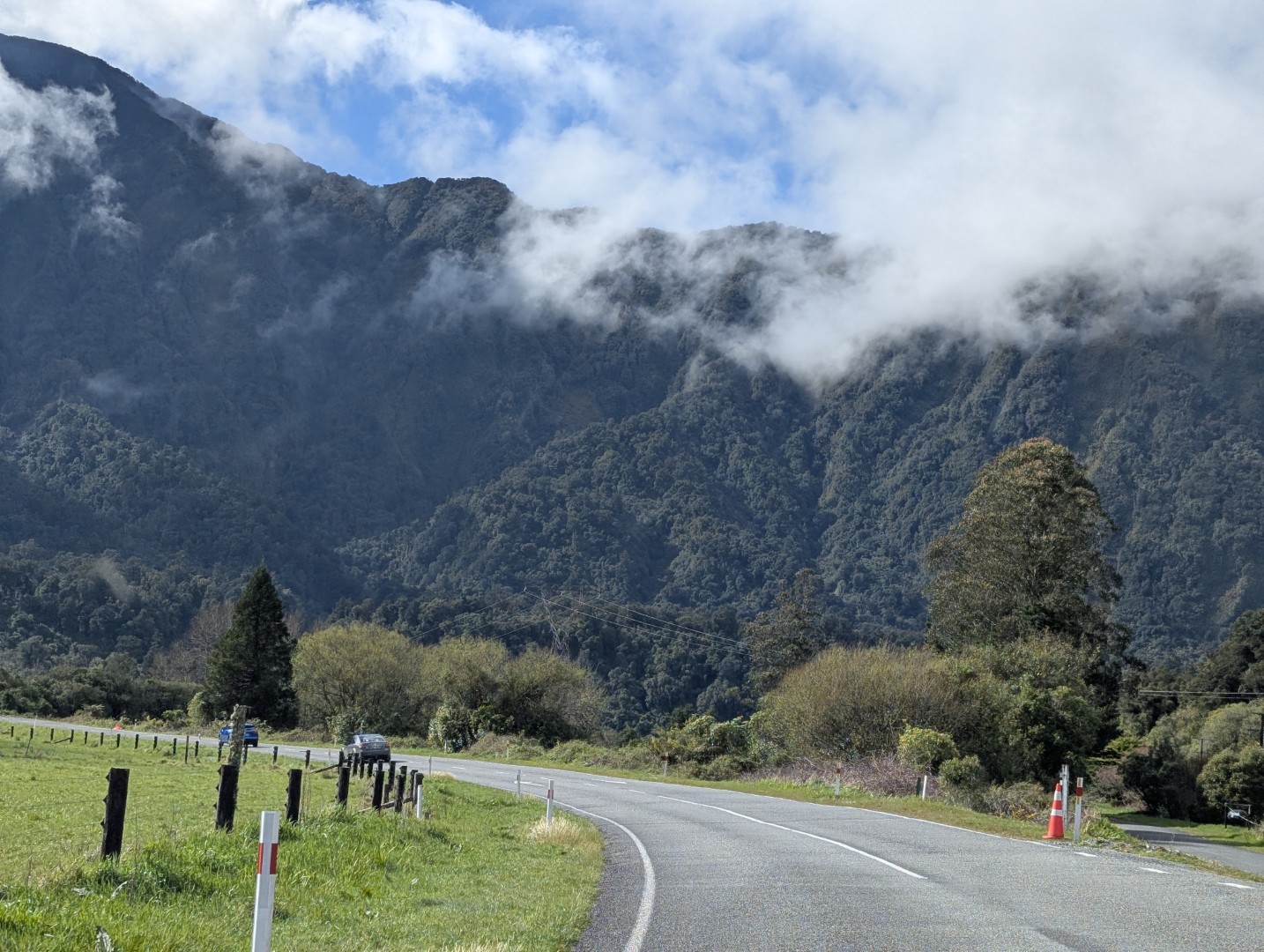
When we opened the blinds this morning we were pleased to see some blue sky. There was still plenty of cloud though but it meant that our drive north was a bit brighter. The first part of the drive was mostly through narrow farming country close to the coast with high, rainforested peaks rising up on our right. We drove through several tiny towns and the road was very windy in places. This part of the drive reminded me quite a bit of some areas of Hawaii.
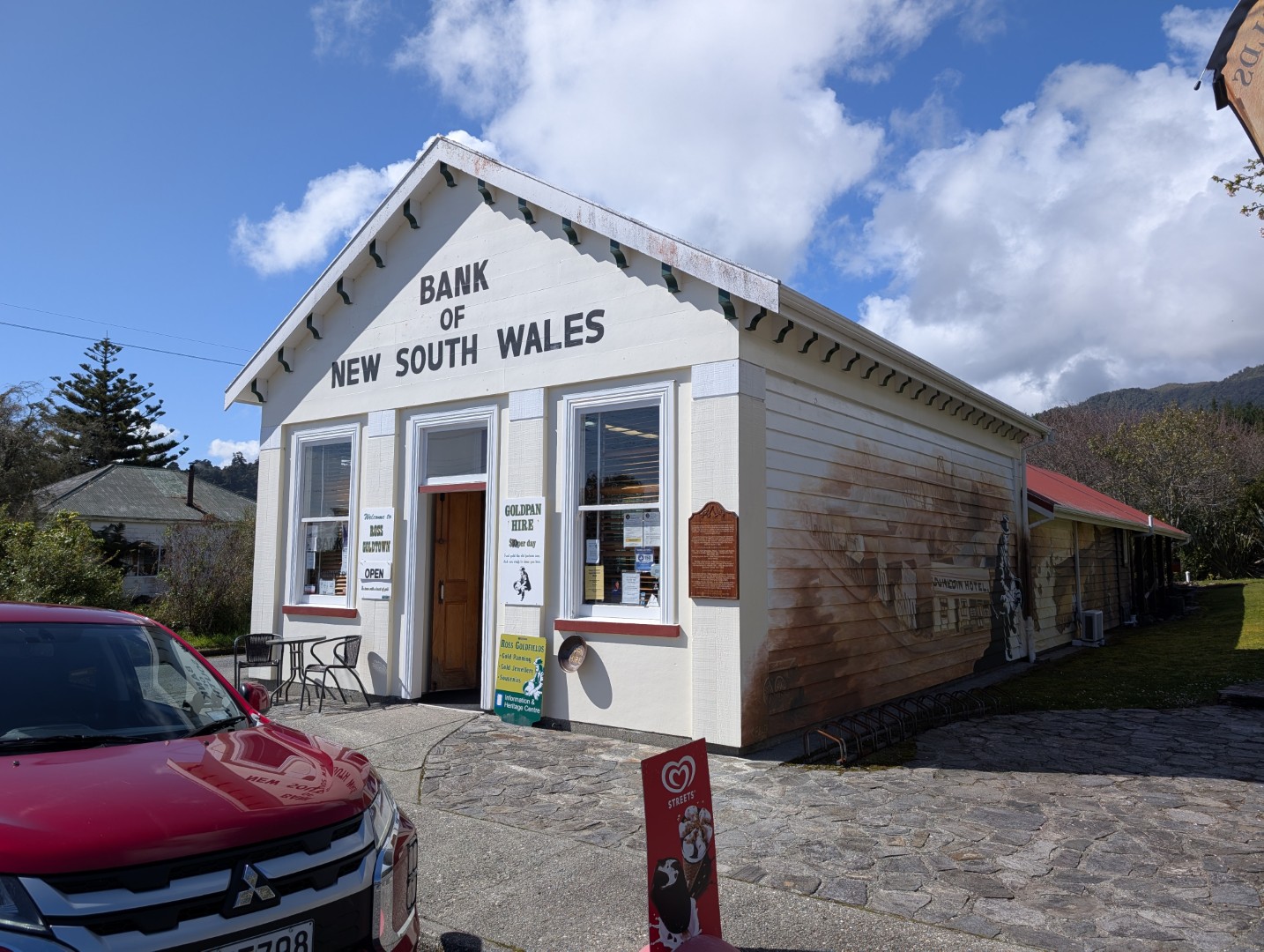
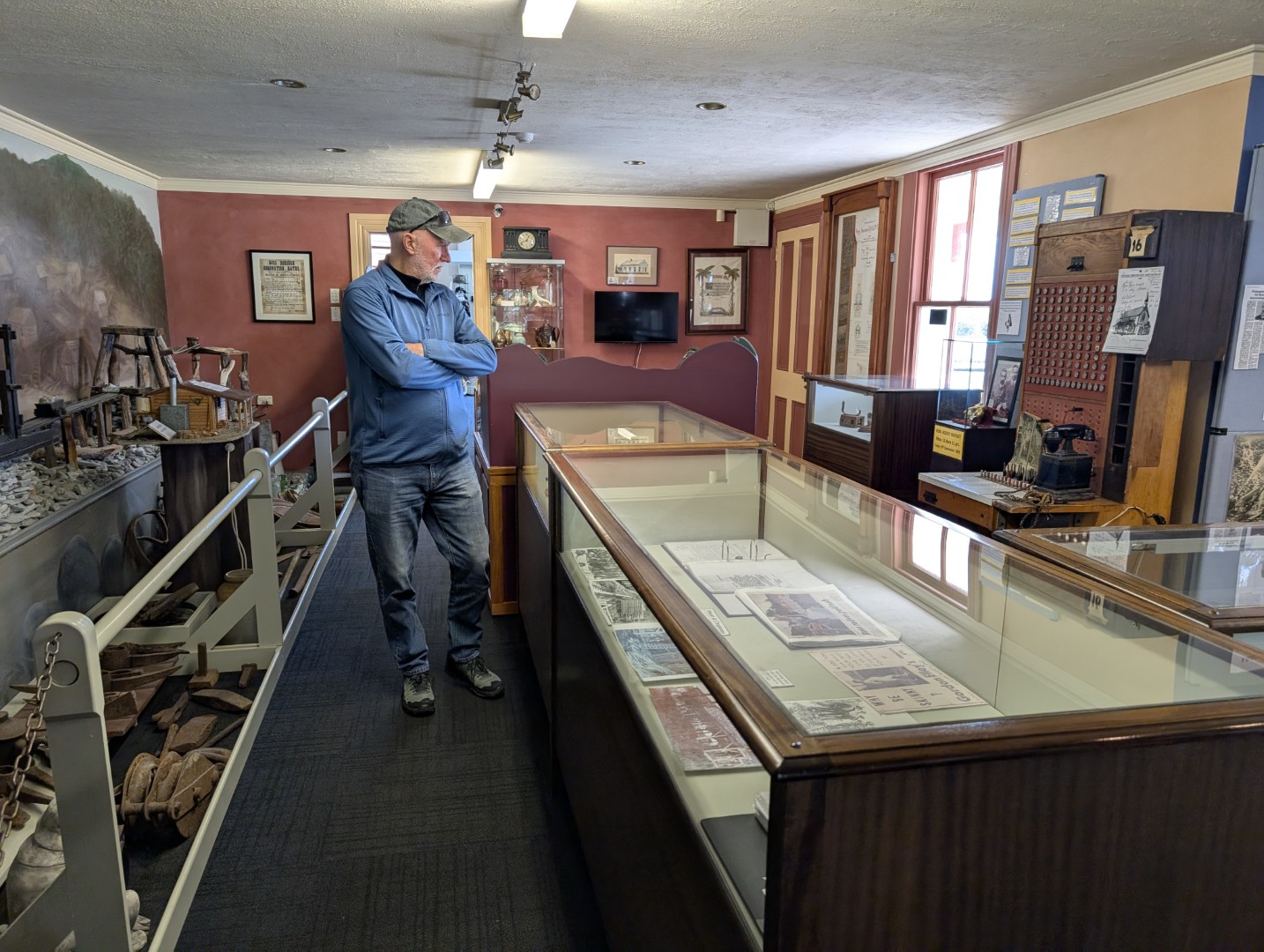
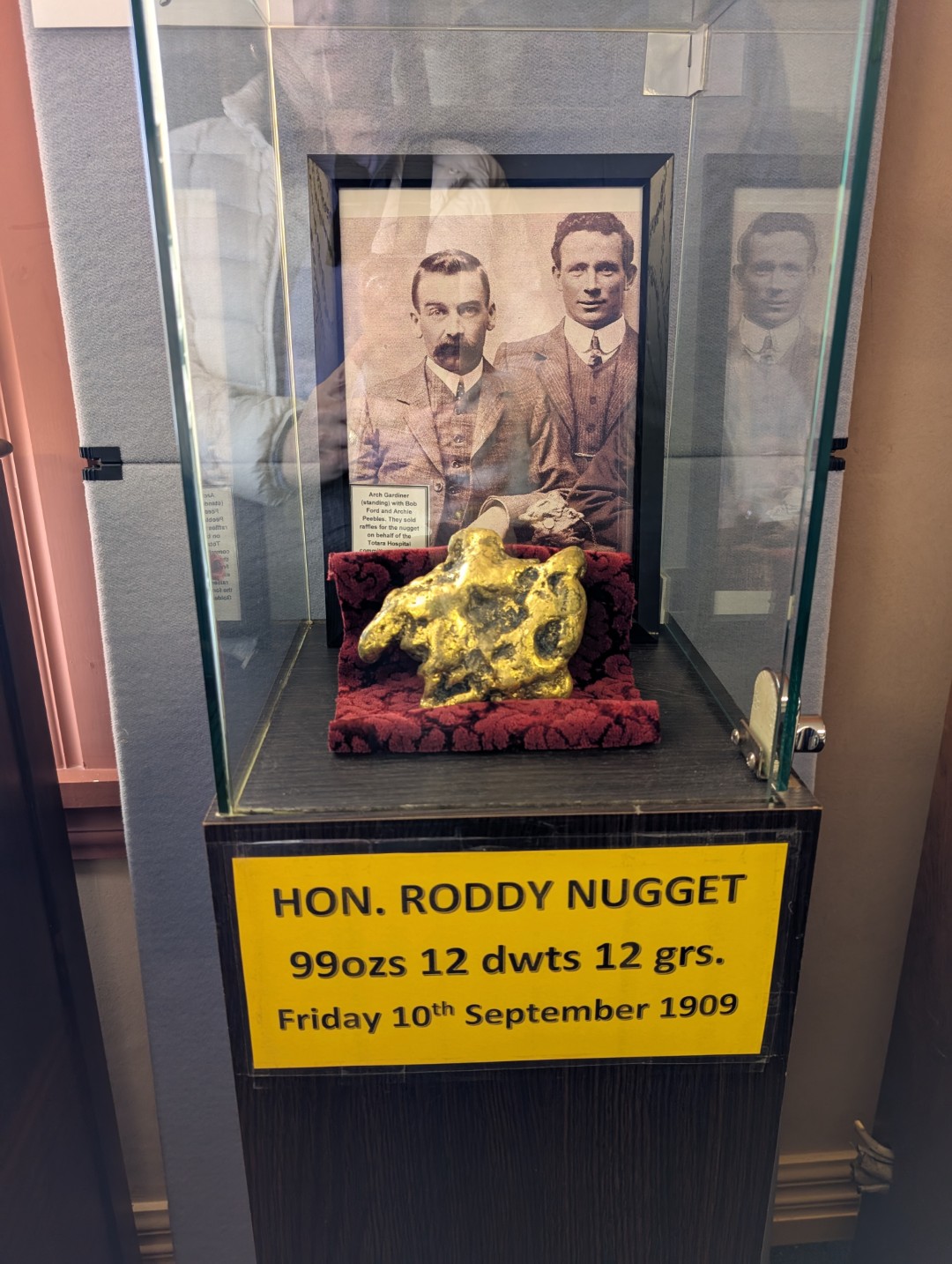
Our first stop was in Ross where we visited the Ross Goldfields Information & Heritage Centre , a tiny little Museum in theold Bank of NSW building. It told the story of the gold mining that took over the area in the 1860s. Gold was first discovered in here 1865, and they even had a model of the largets gold nugget ever found in New Zealand. There was a path leading us past old gold workings but we didn’t attempt to do the full 40 minute walk.
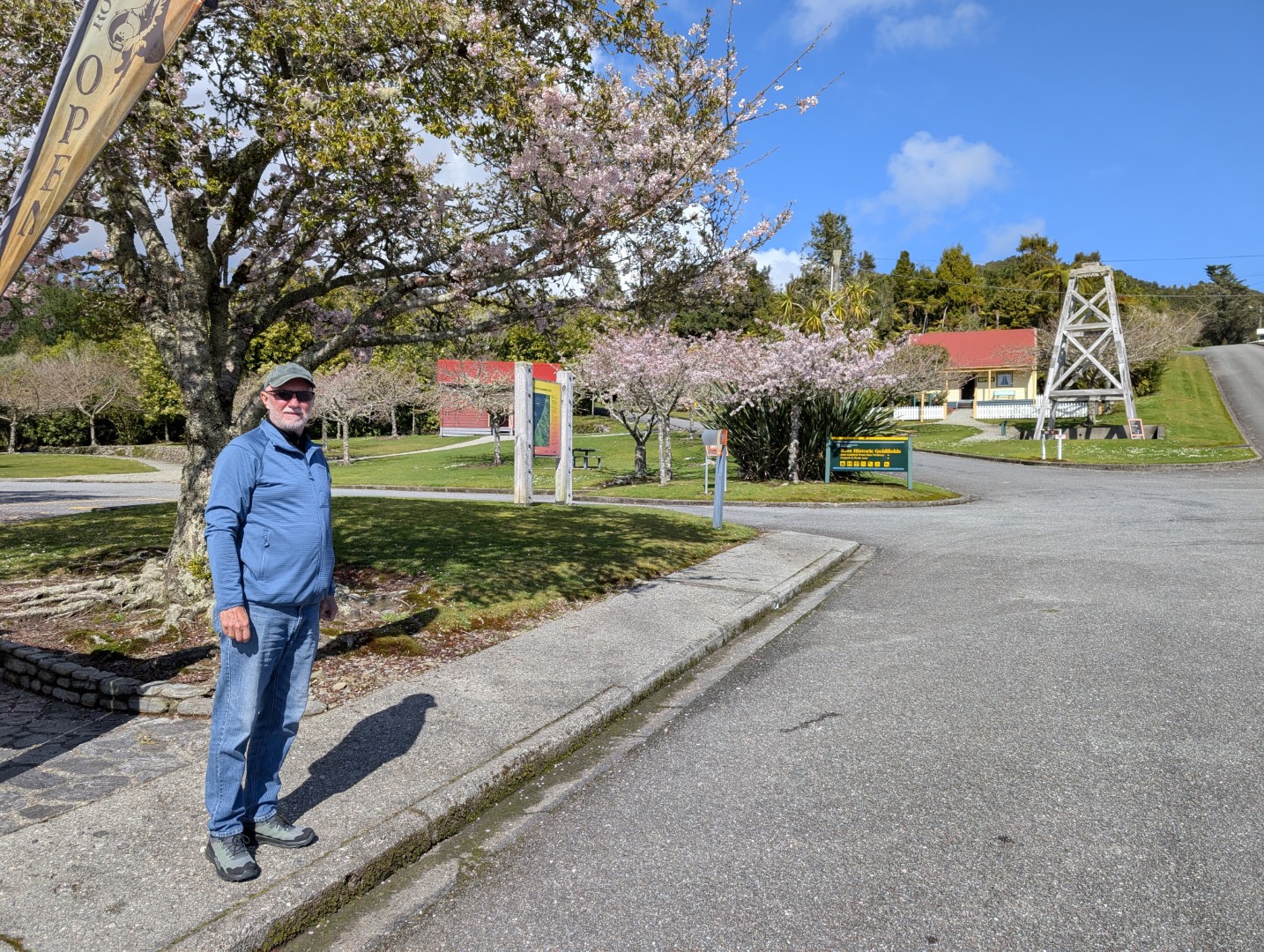
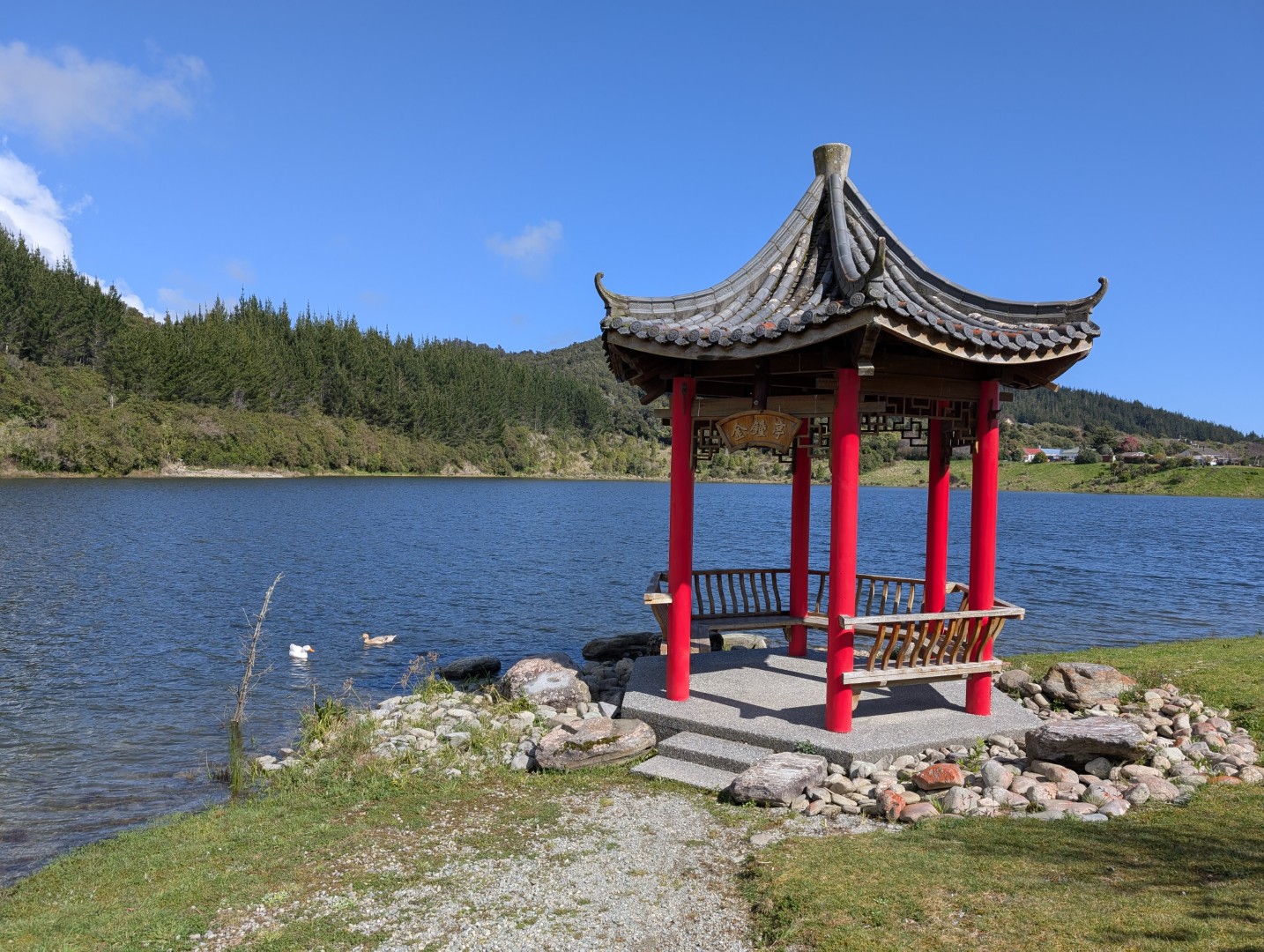
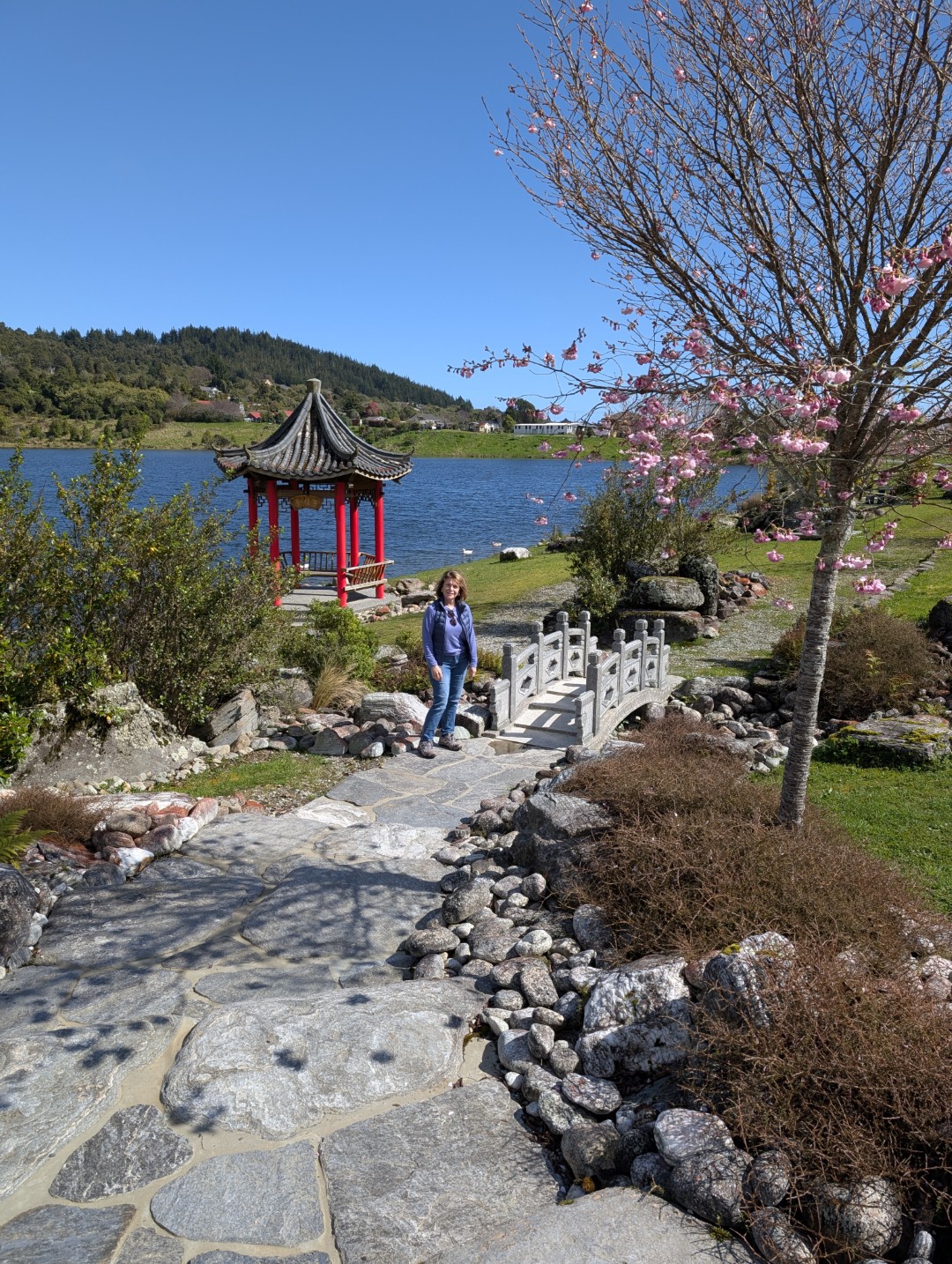
On the other side of the lake was the very pretty Ross Chinese Miners Memorial Garden. Cherry trees, flax and golden tōtara now beautify the banks of a former mine pit transformed into a tranquil lake. There were some impressive stone lions guarding the entrance of the path to a tiny willow-pattern bridge and a bright red and yellow pagoda.
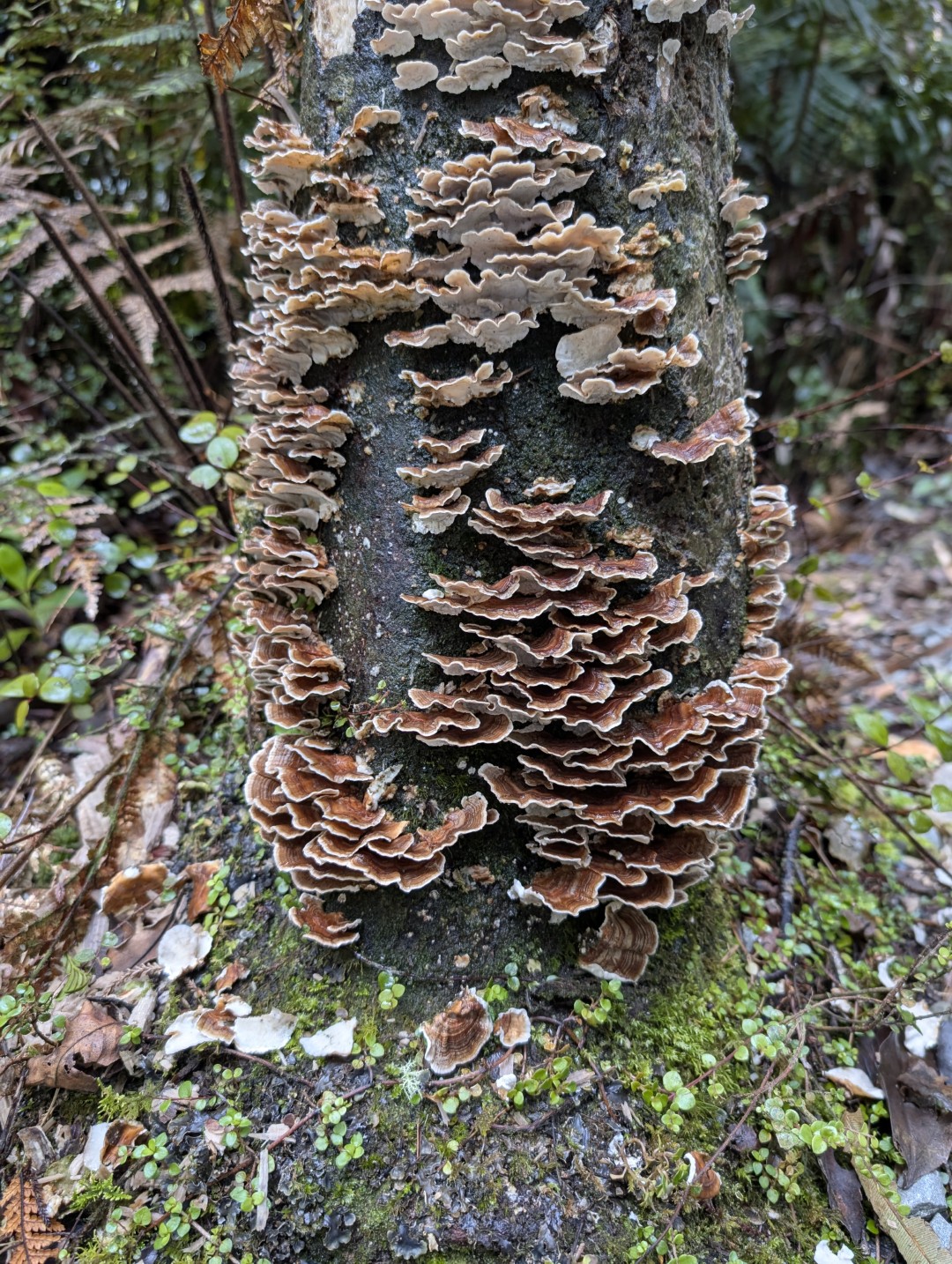
Further north we turned inland to drive about 30km to the Hokitika Gorge, a really beautiful Gorge with greenish-blue water and suspension bridges. There’s a loop walk that runs right through the gorge but we confined ourselves to the first third of the walk, I’m not really feeling up to long walks with this stupid cold.
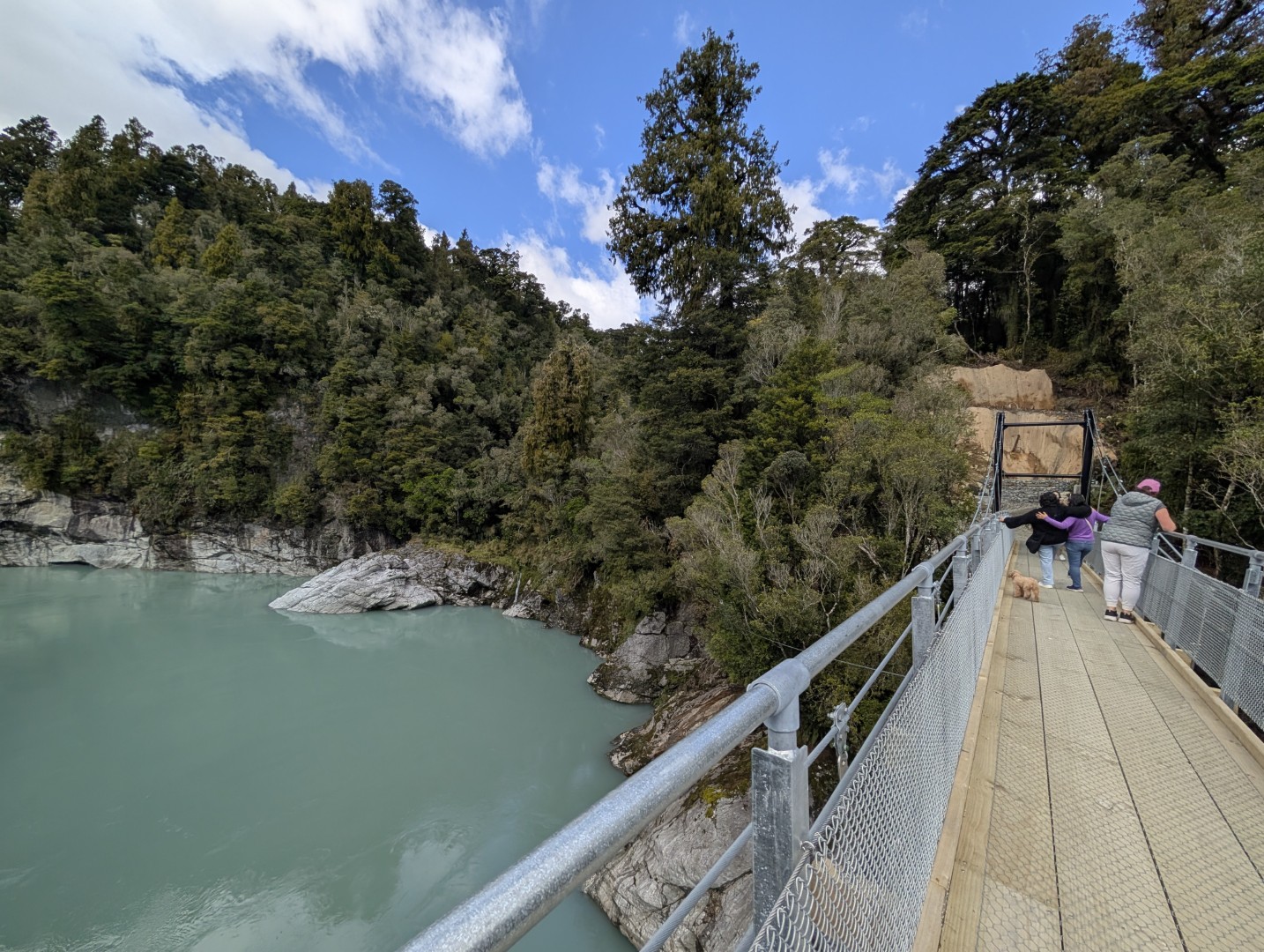
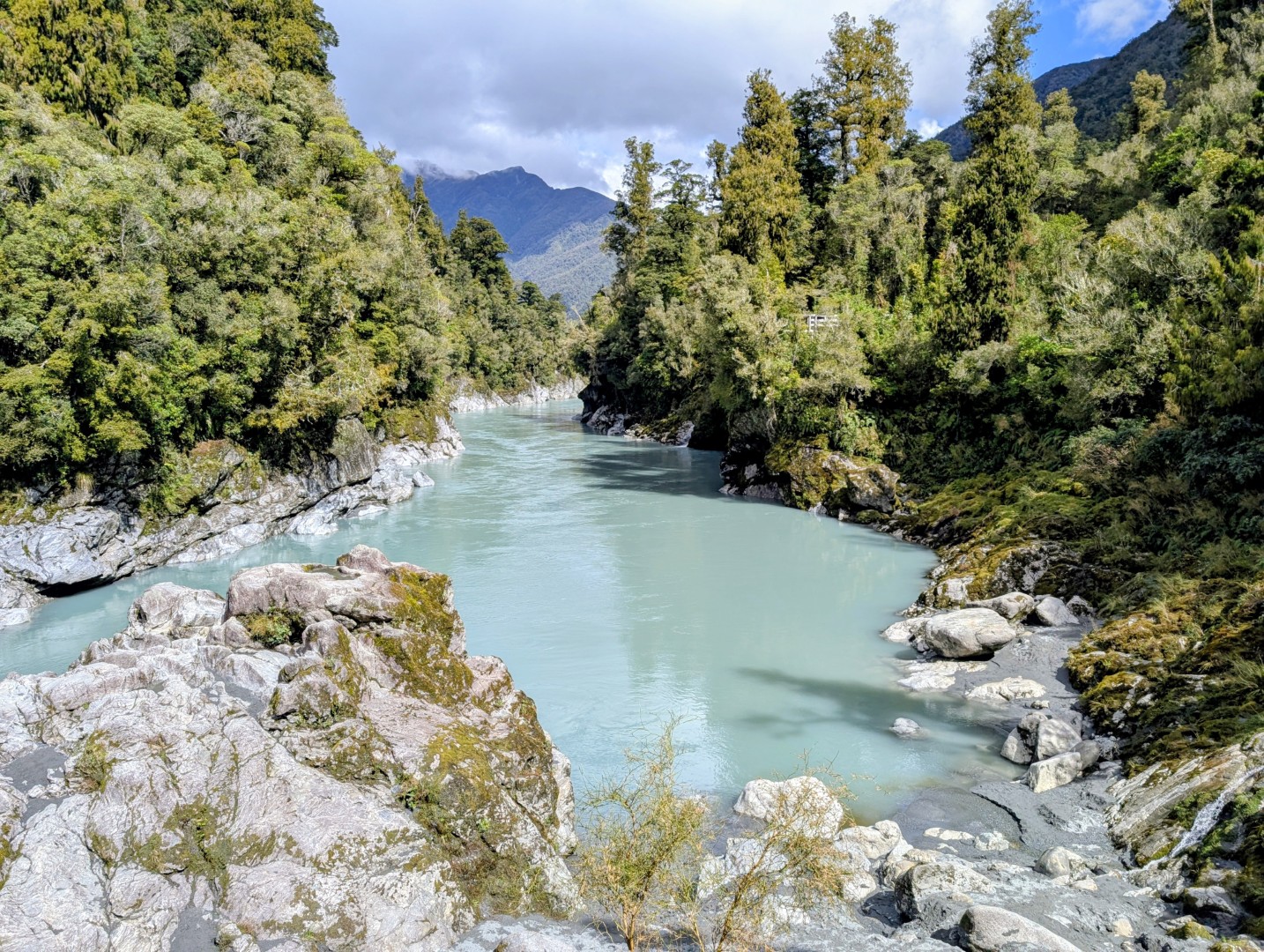
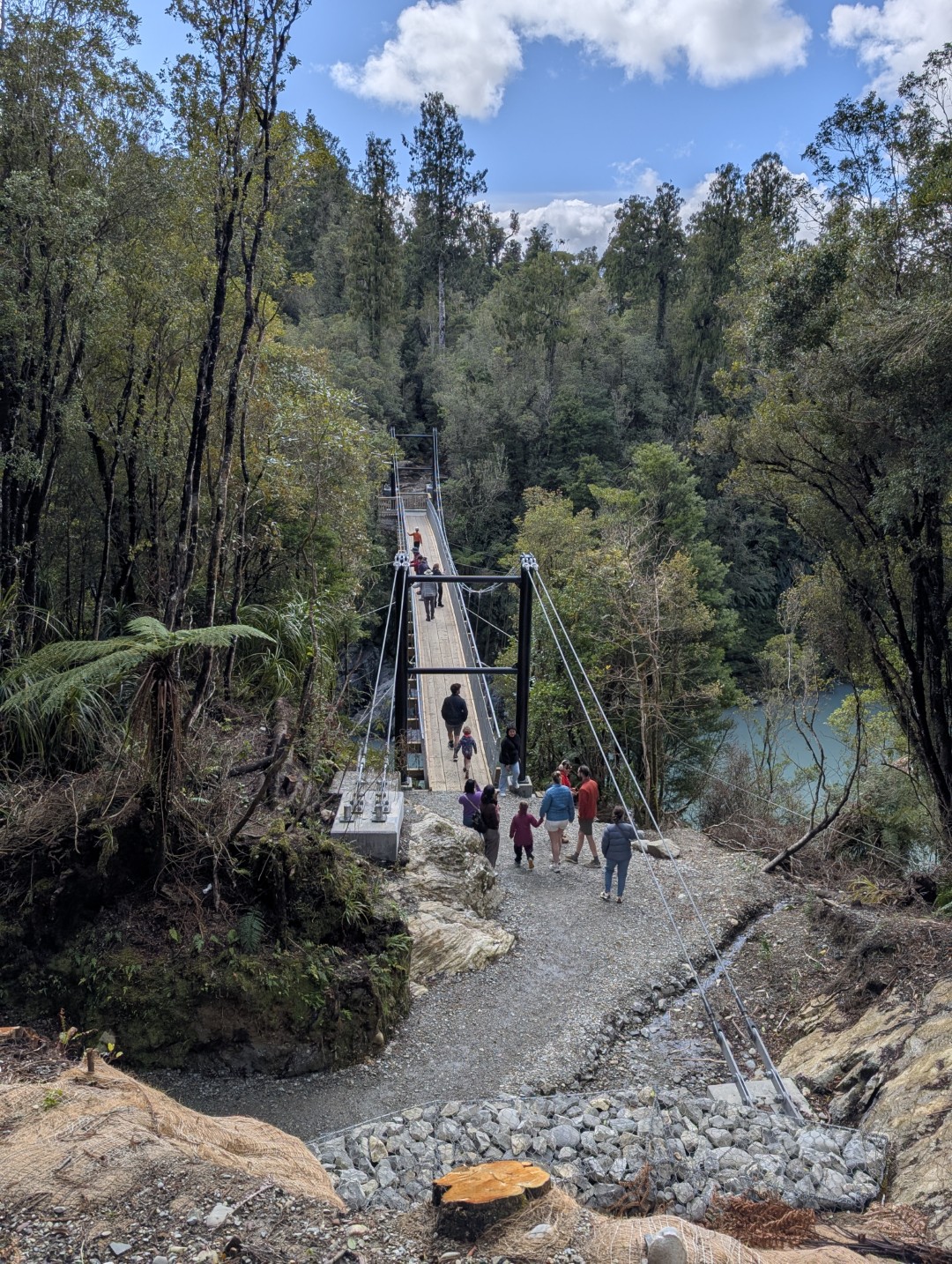
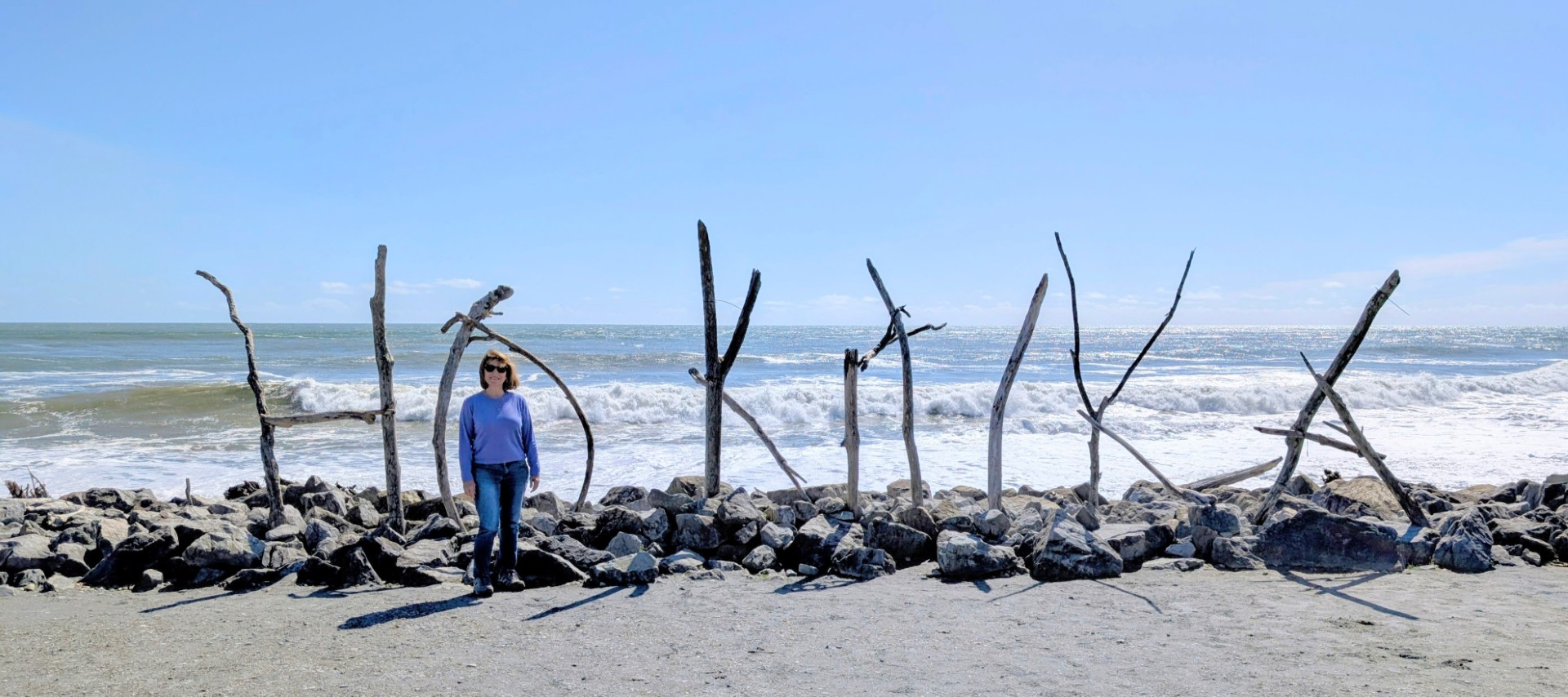
From the gorge we drove back to the coast to the little town of Hokitika. Hokitika was founded on greenstone and gold, sustained by tourism and milk, and is famous for a photogenic driftwood sign. The driftwood Hokitika sign has moved about 100m inland over 25 years as the Tasman Sea eats into the land. There are several Greenstone stores in the town as the nearby river is the prime source of this highly prized stone, however the only store we went into was a cafe to buy a pie for lunch!
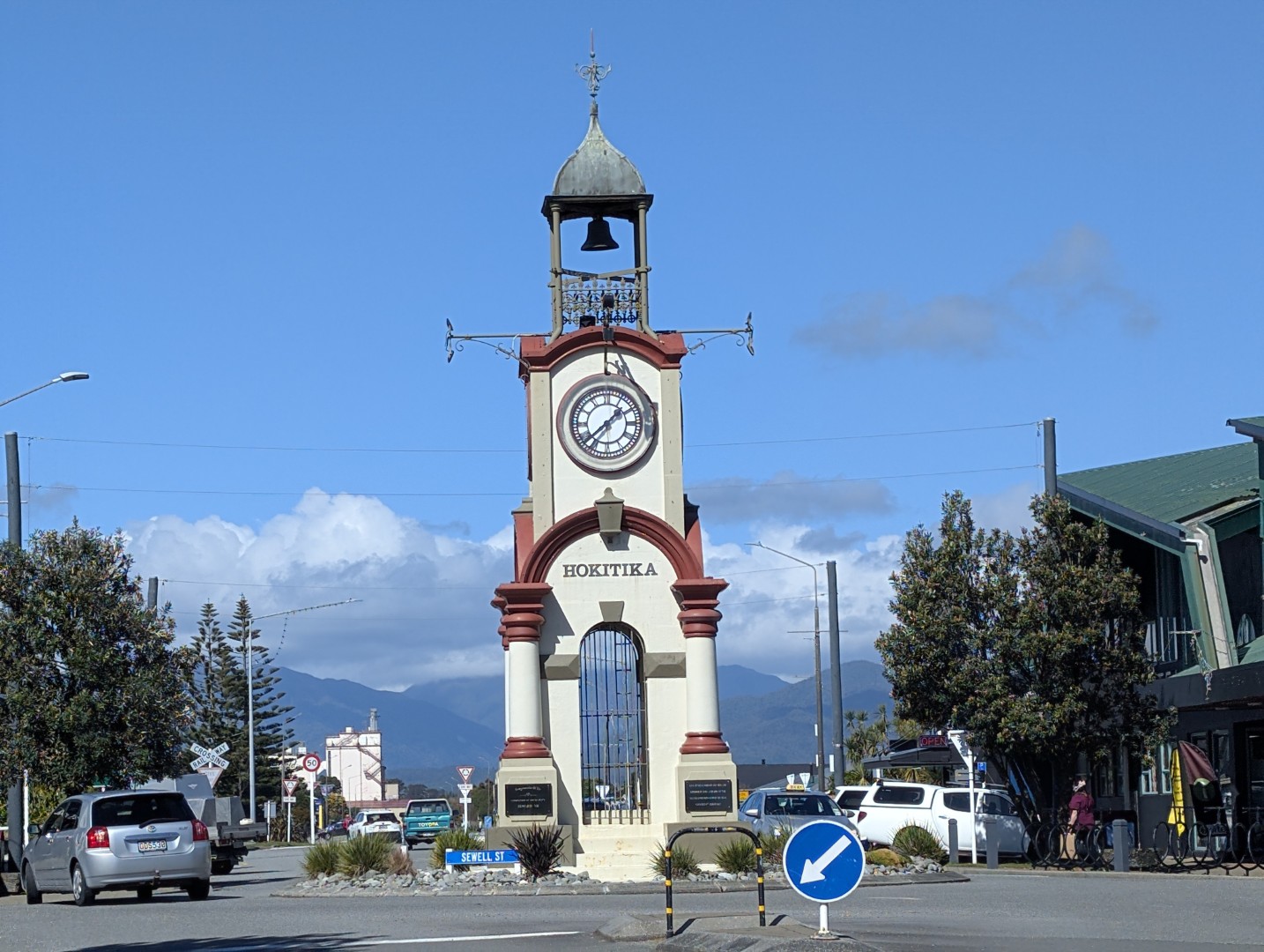
Hokitika’s grand town clock also appears on a lot of postcards.The clock tower commemorated the coronation of Edward VII, the dispatch of 130 Westland men to South Africa, and four troopers who lost their lives in the war.
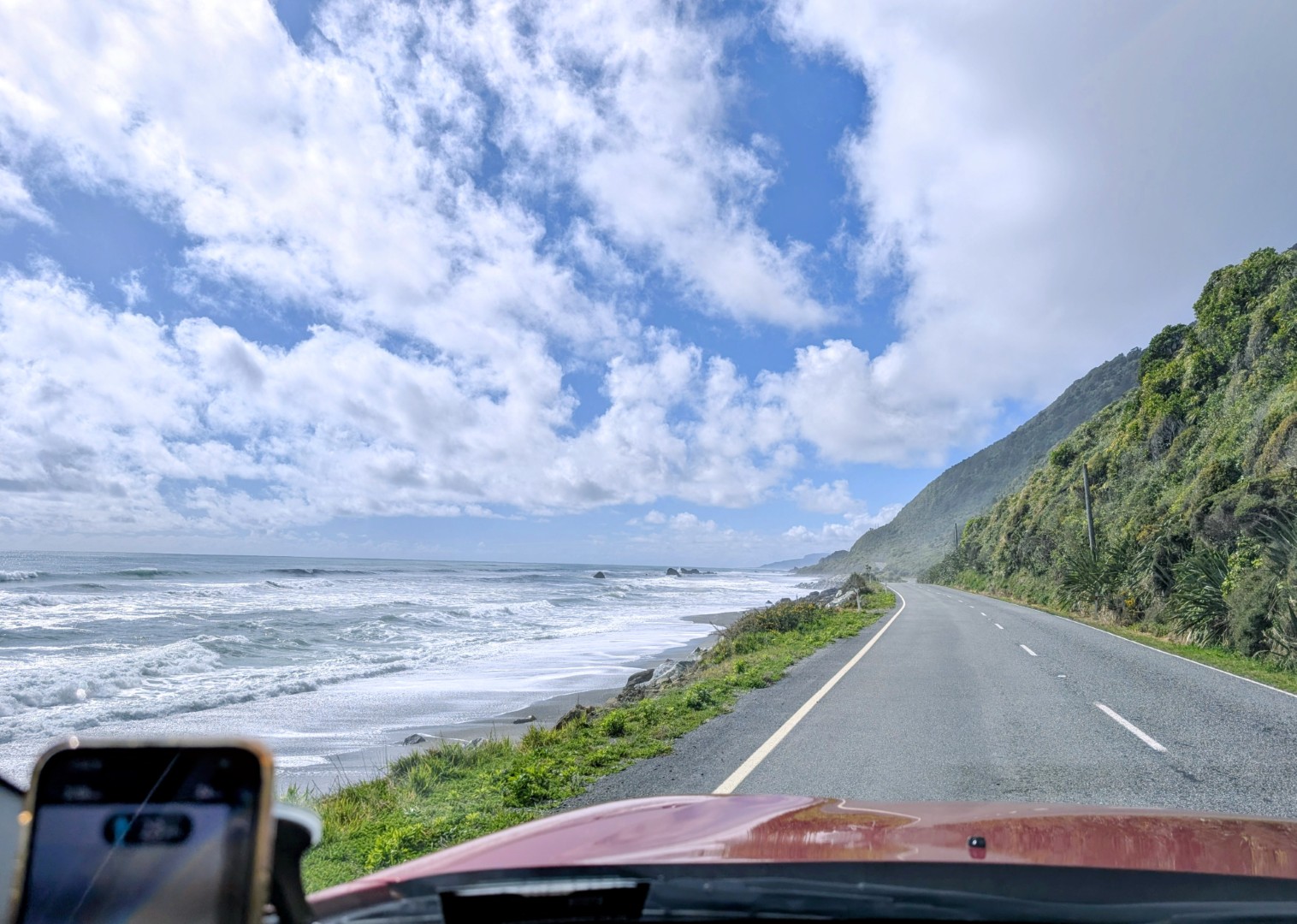
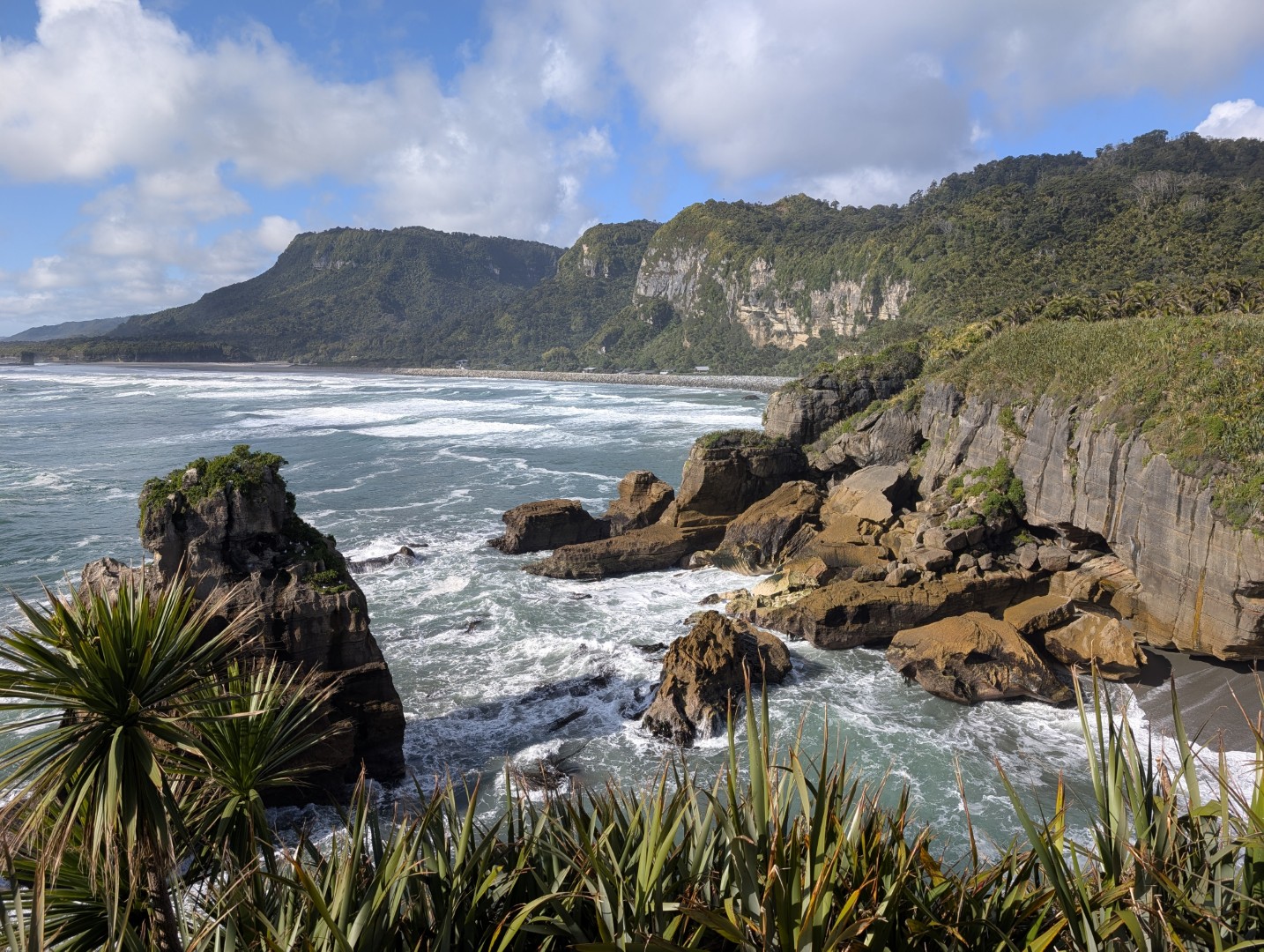
Continuing north we passed through Greymouth and the next part of the drive was really stunning. The road winds its way up the rocky coastline and the views over the black beaches and the rocky outcrops were wonderful.
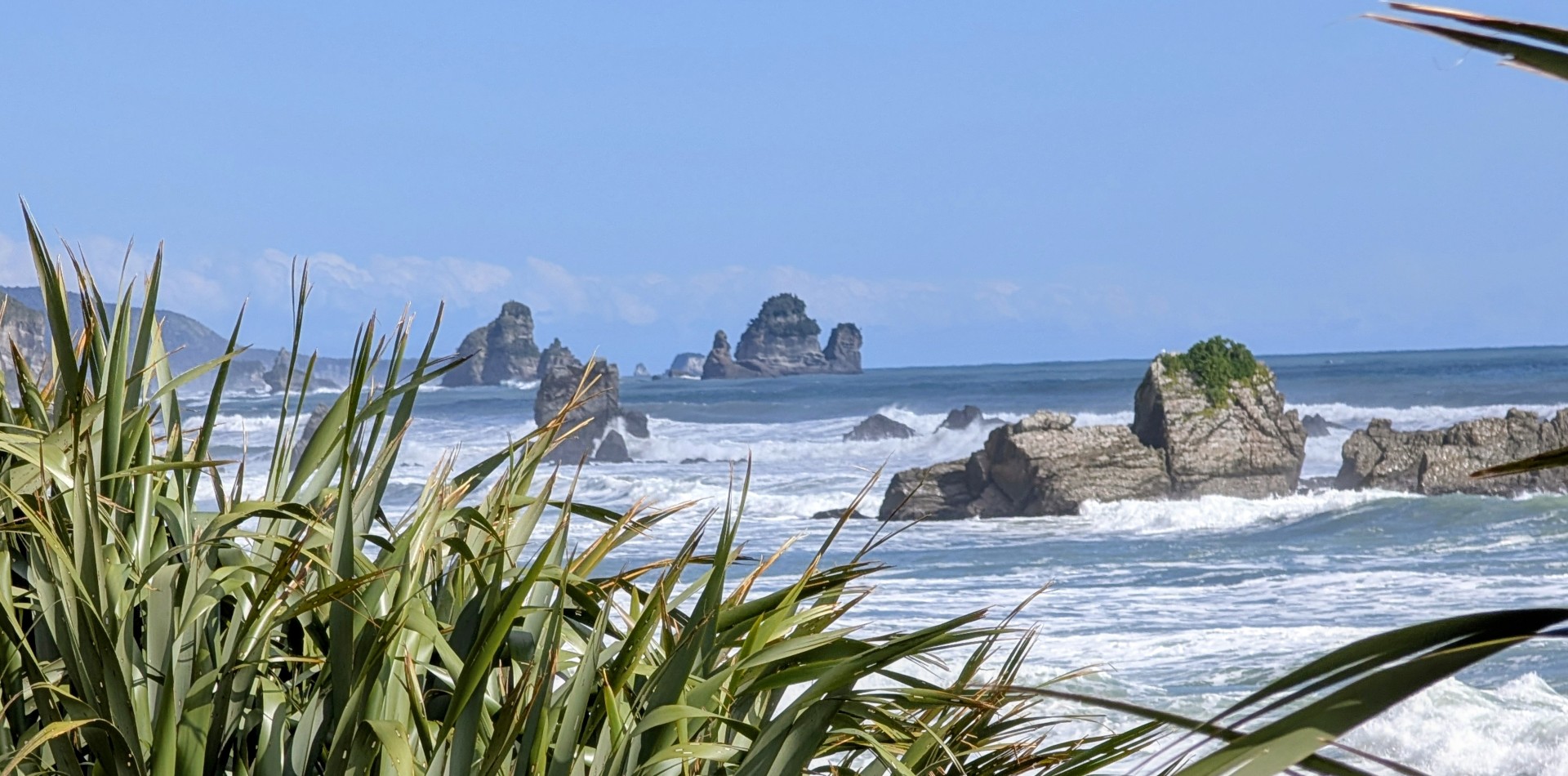
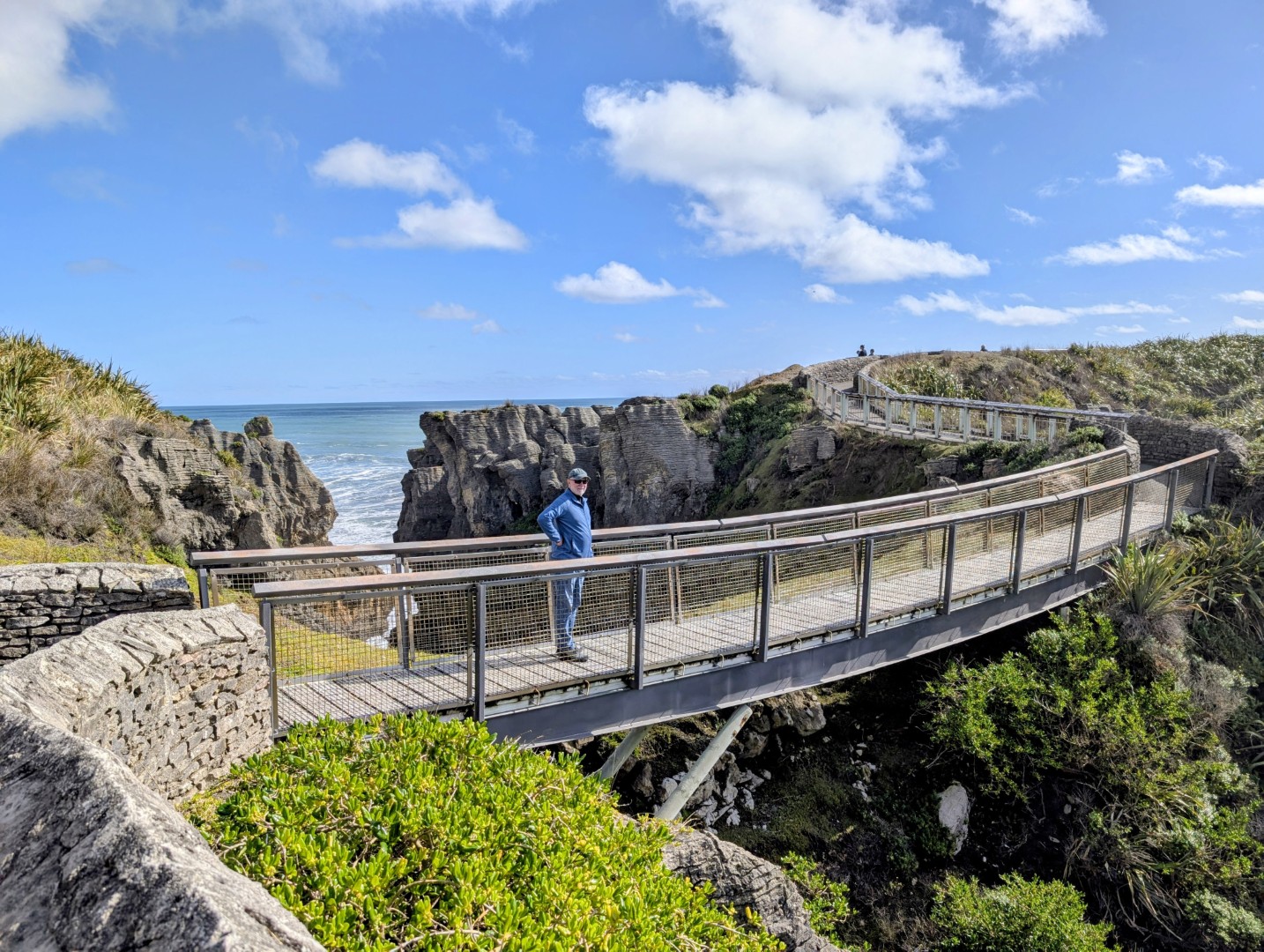
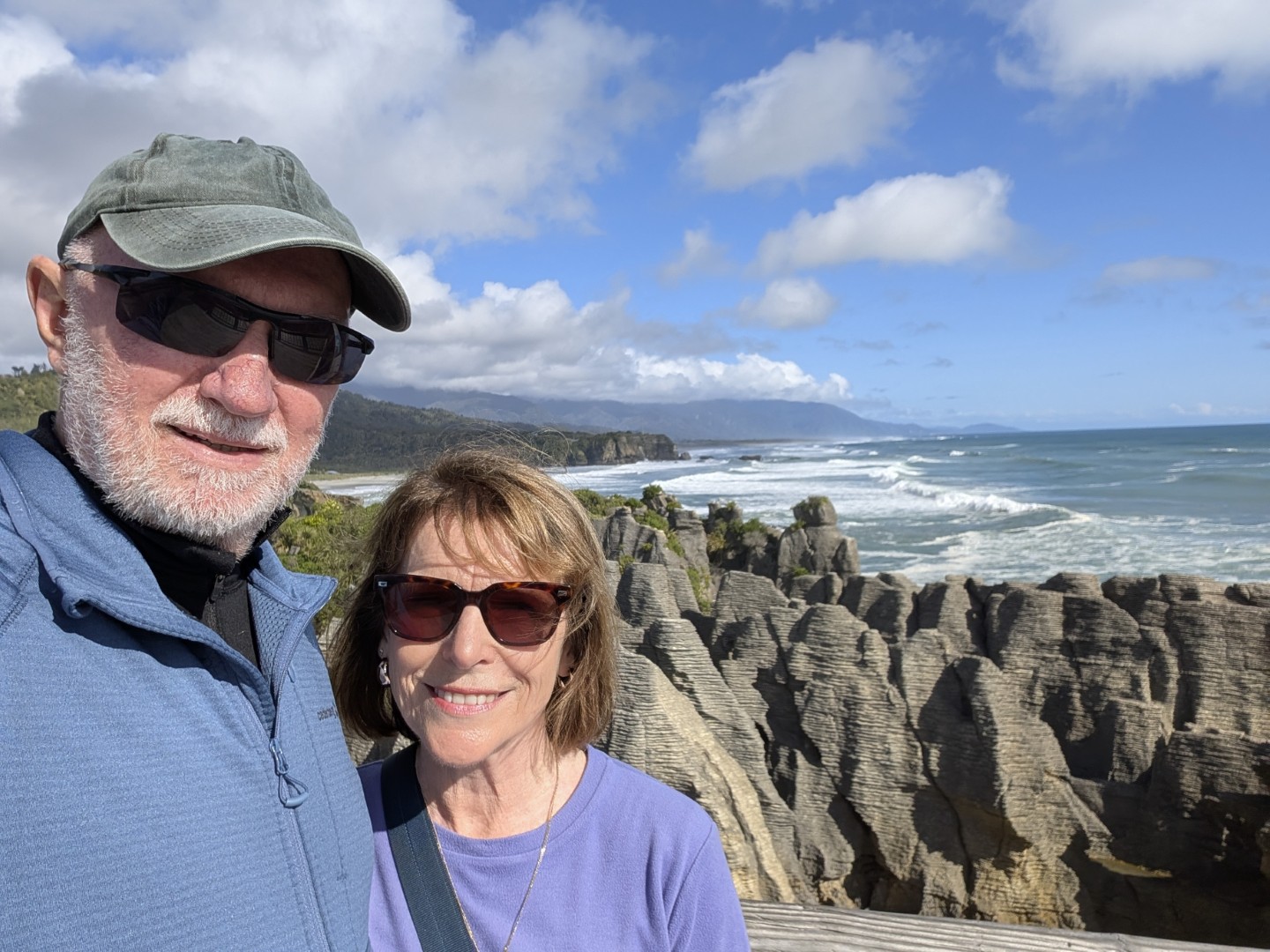
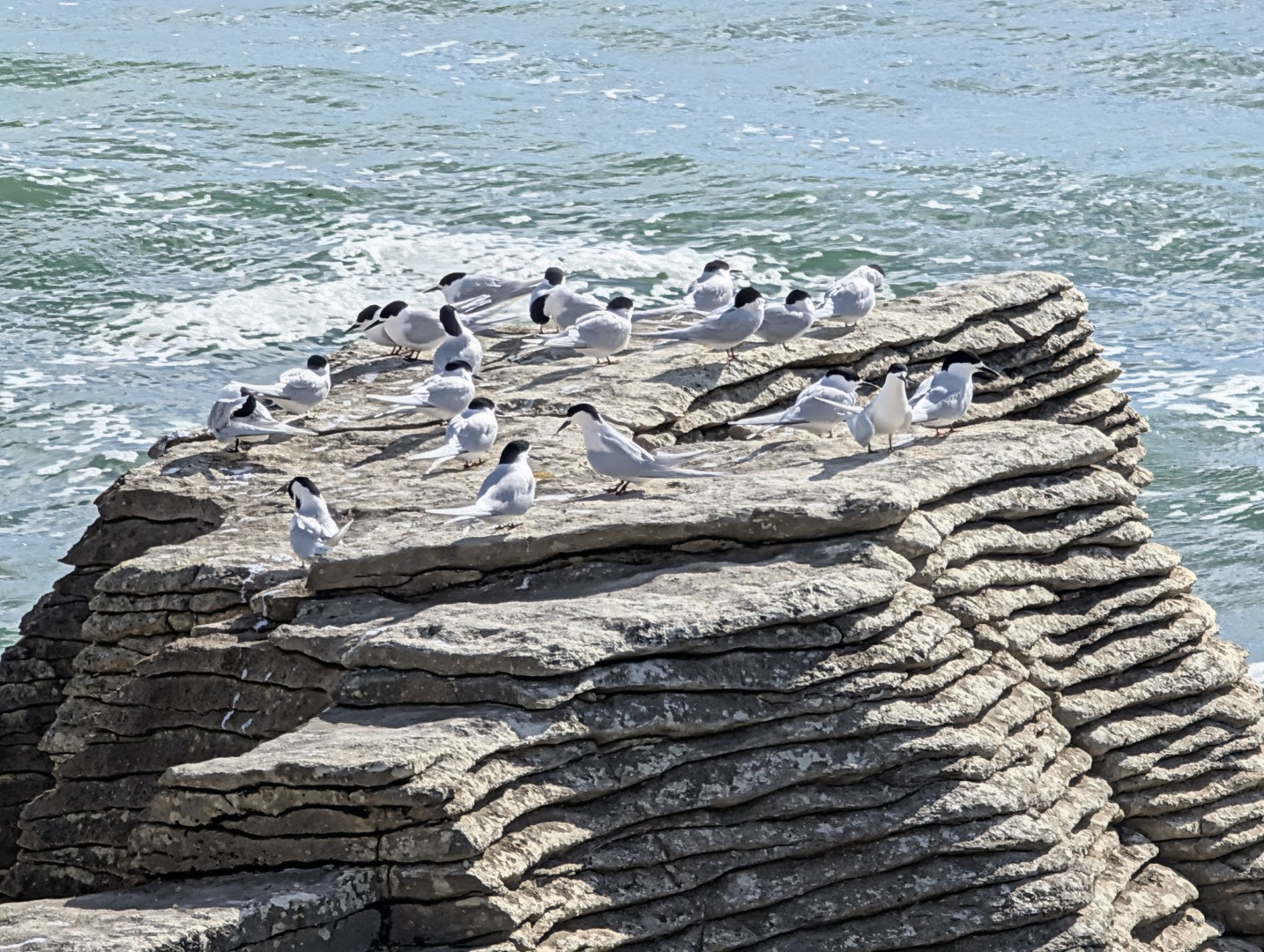
Finally we arrived at Paparoa National Park which is right on the edge of the town of Punakaiki. There was a walk that led us from the visitor centre through a forest of NZ Flax to a limestone landscape of pancake-shaped rock formations, blowholes and surge pools. They are called the Pancake rocks, and it really is an apt description! The blowholes were really thumping and I have to say this place exceeded my expectations!
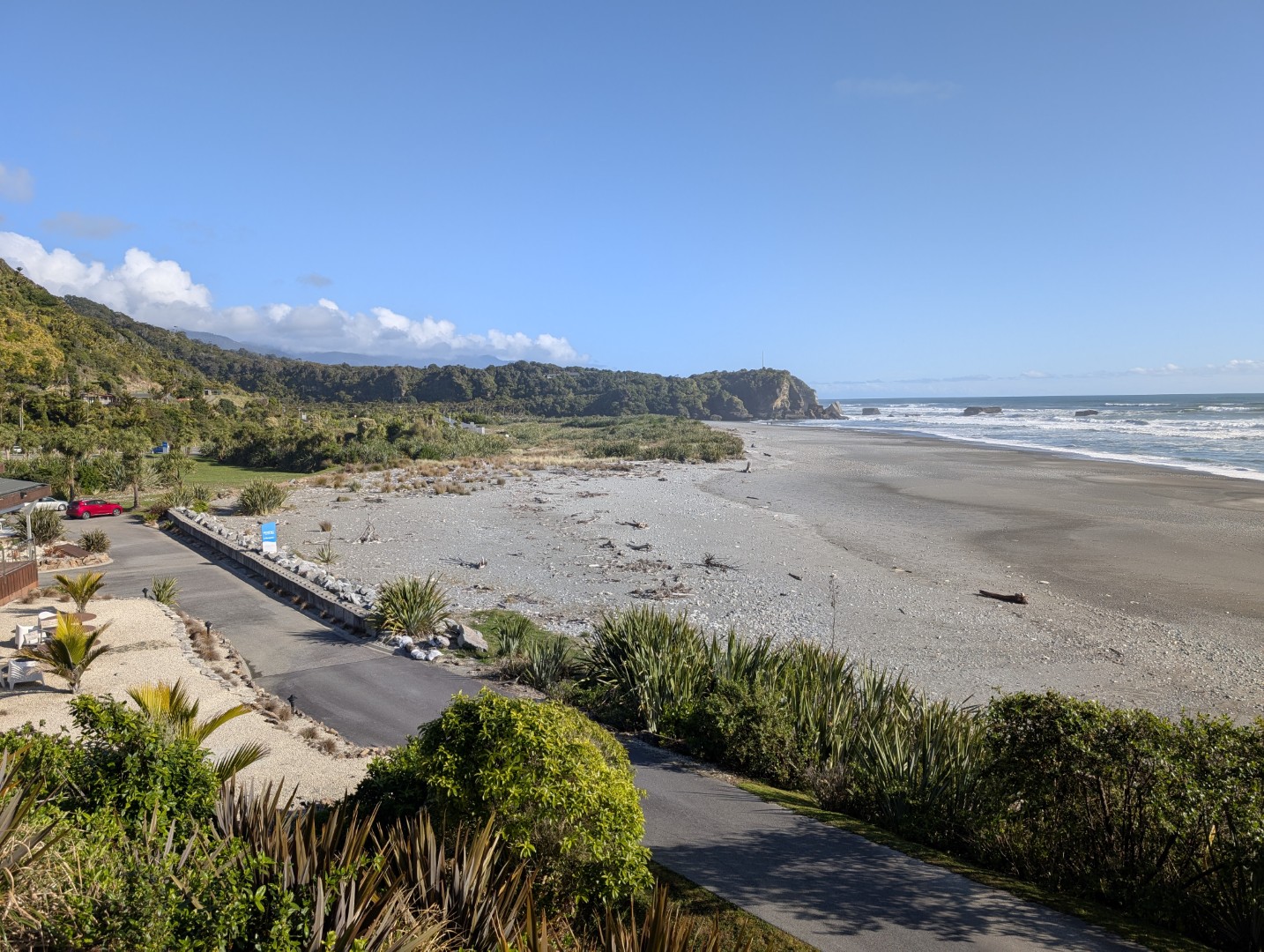
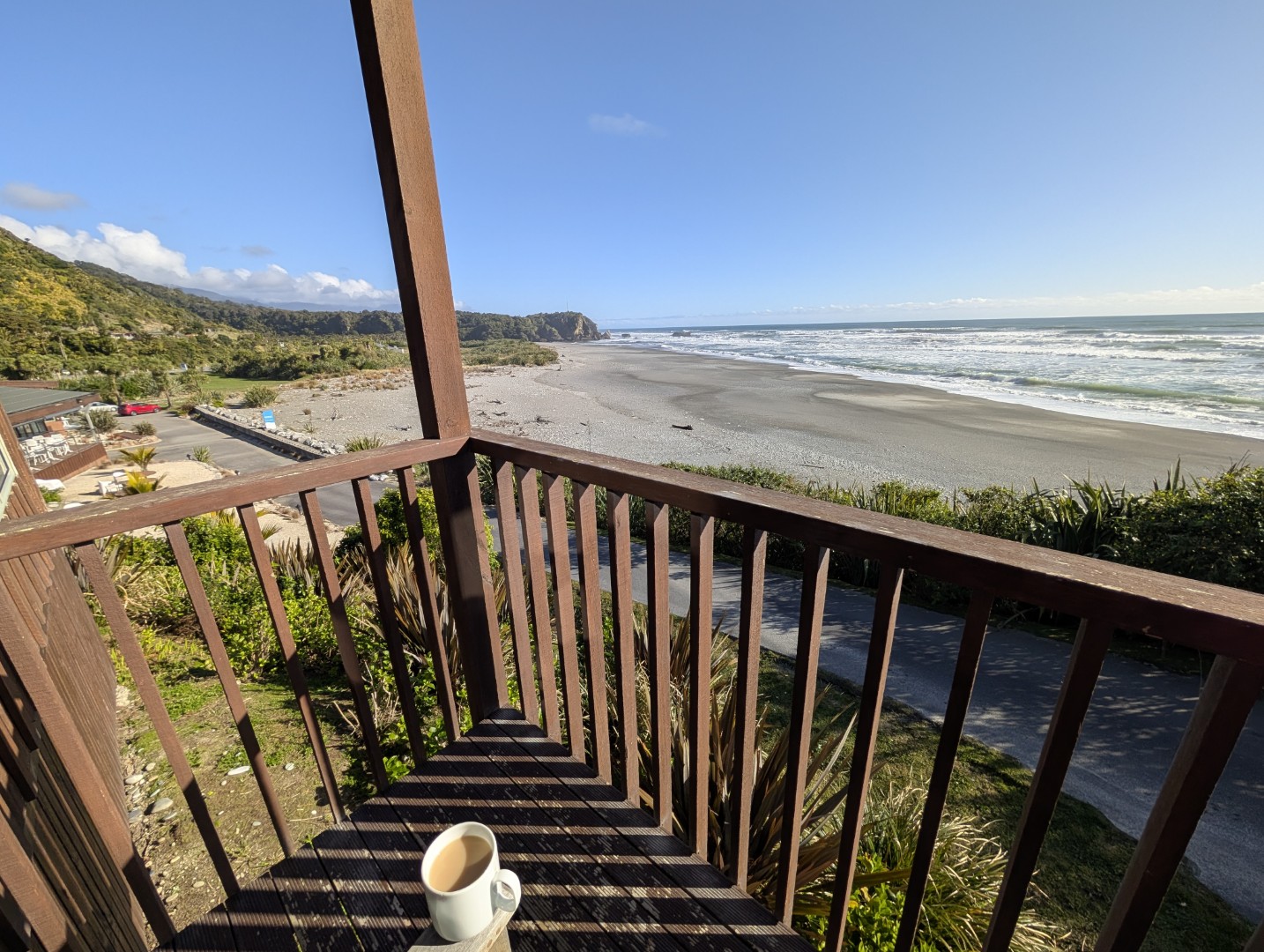
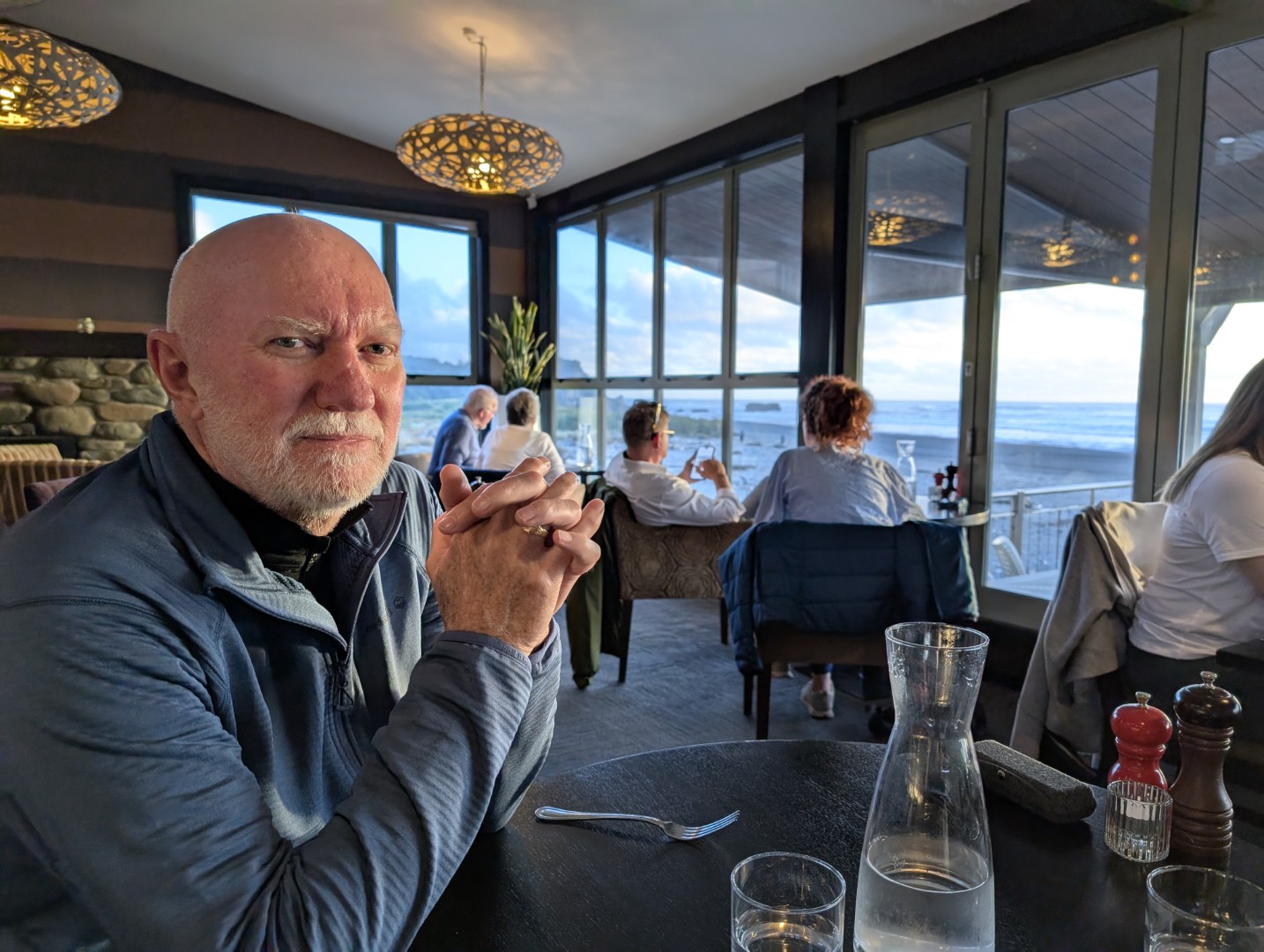
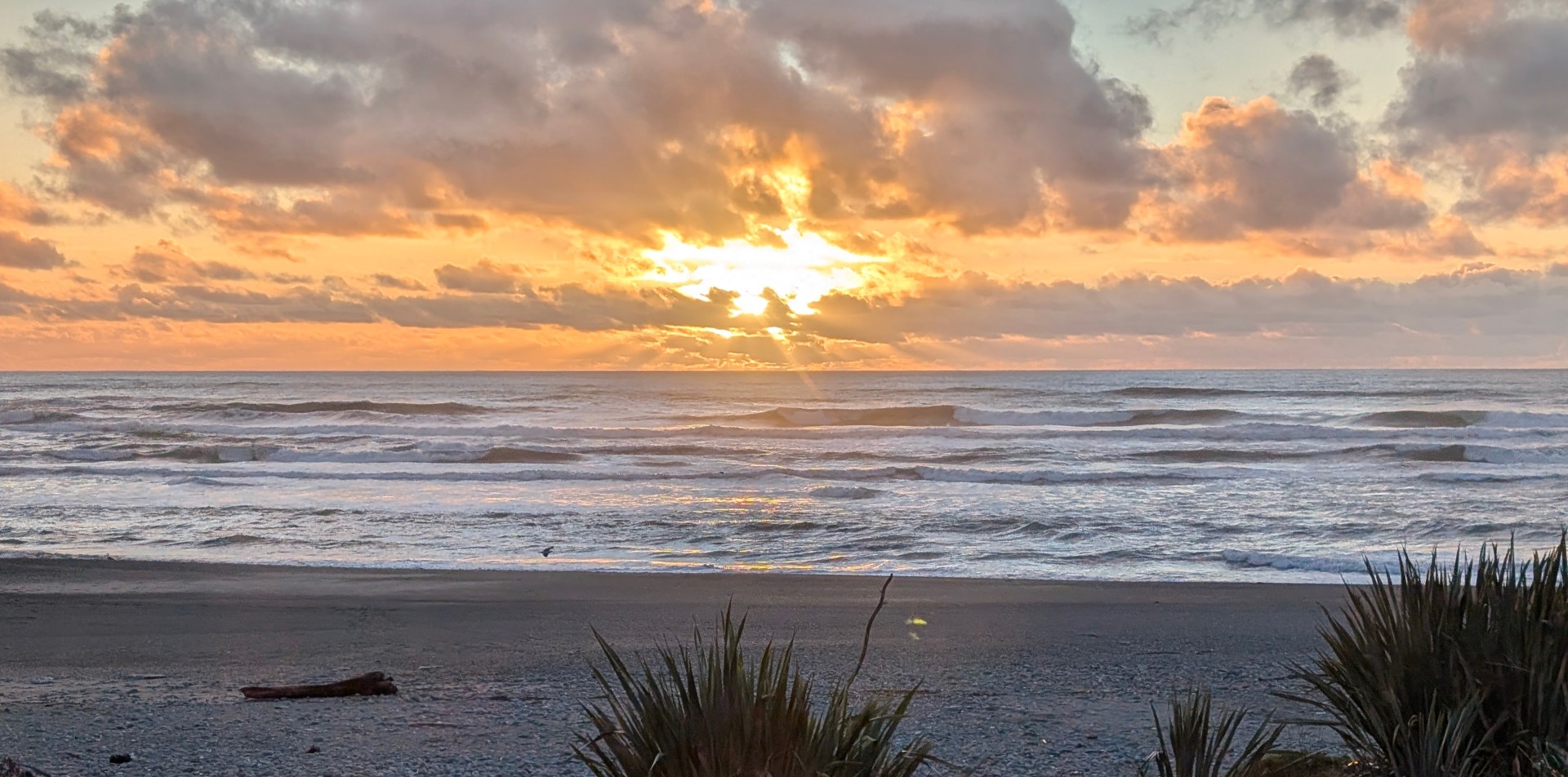
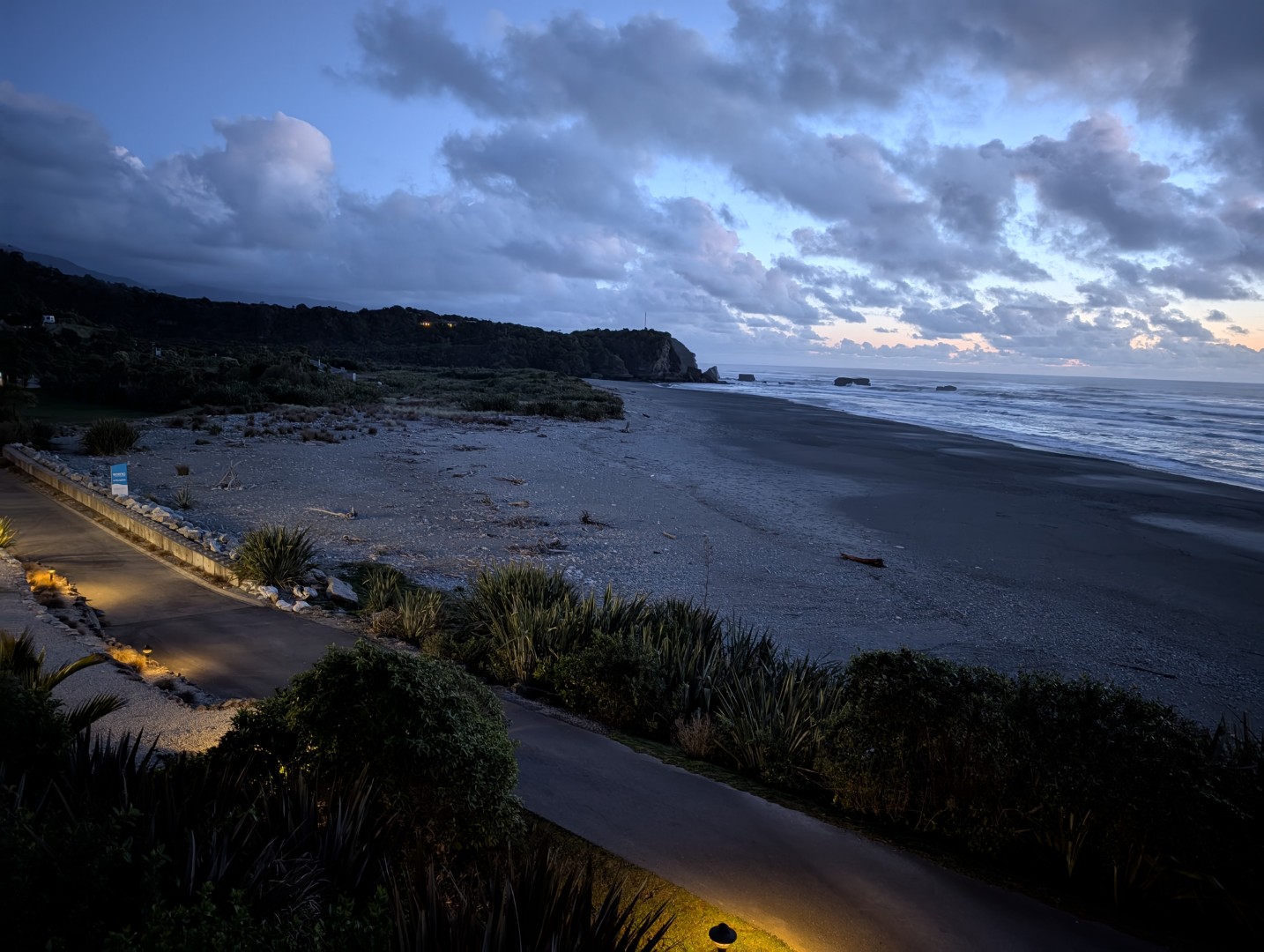
Our hotel for the night was only a few minutes from the park, the Scenic Hotel Punakaiki has such a great location, right on the beach! We checked in and relaxed on our verandah for a while enjoying the roar of the waves. Later we went down to the bar and restaurant where we watched the sunset as we ate our meal.
We were lucky with the weather today, tomorrow is predicted wet and I don;t hink we’d have enjoyed our drive up the back or the national park as much as we have today.