
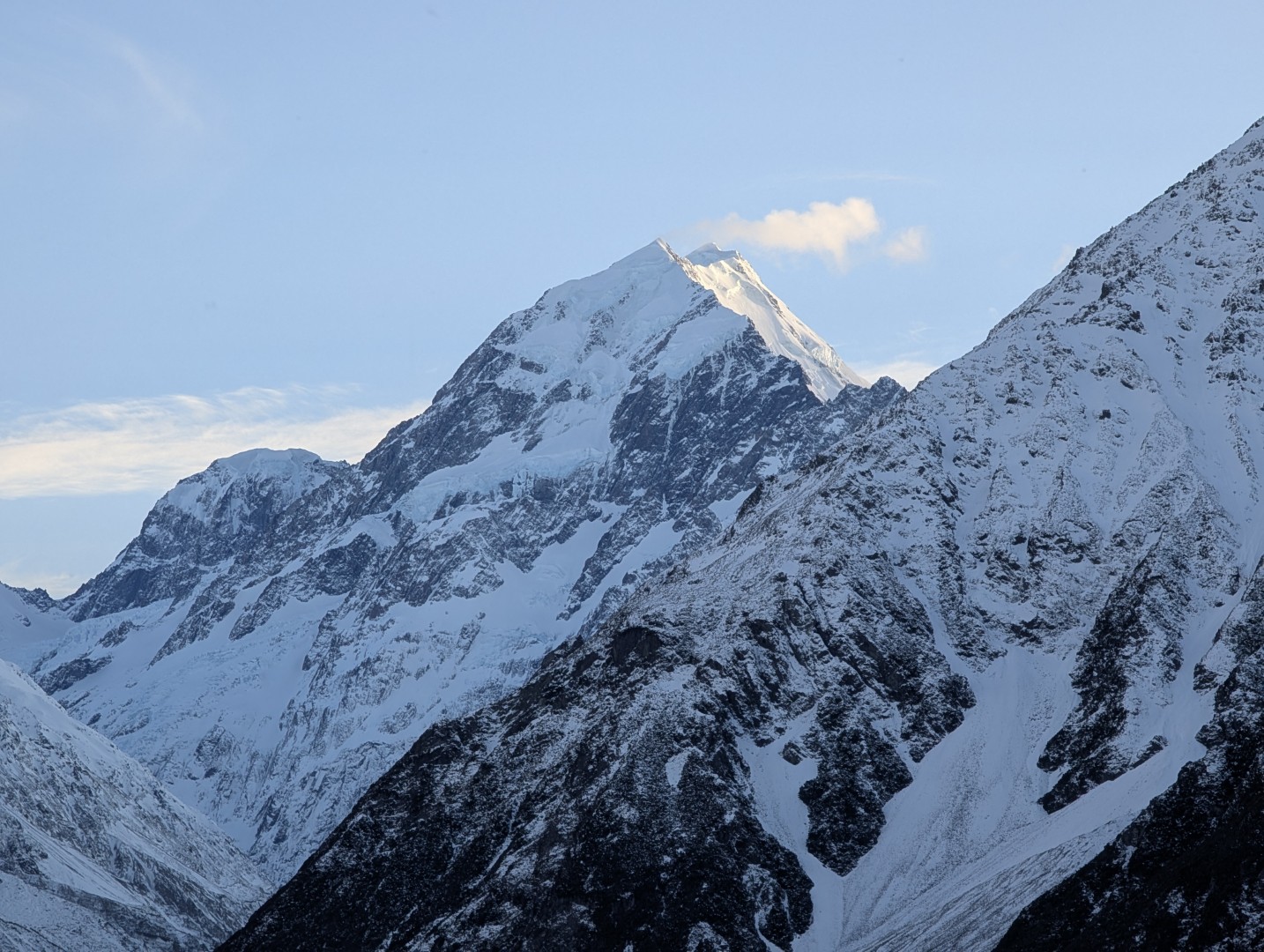
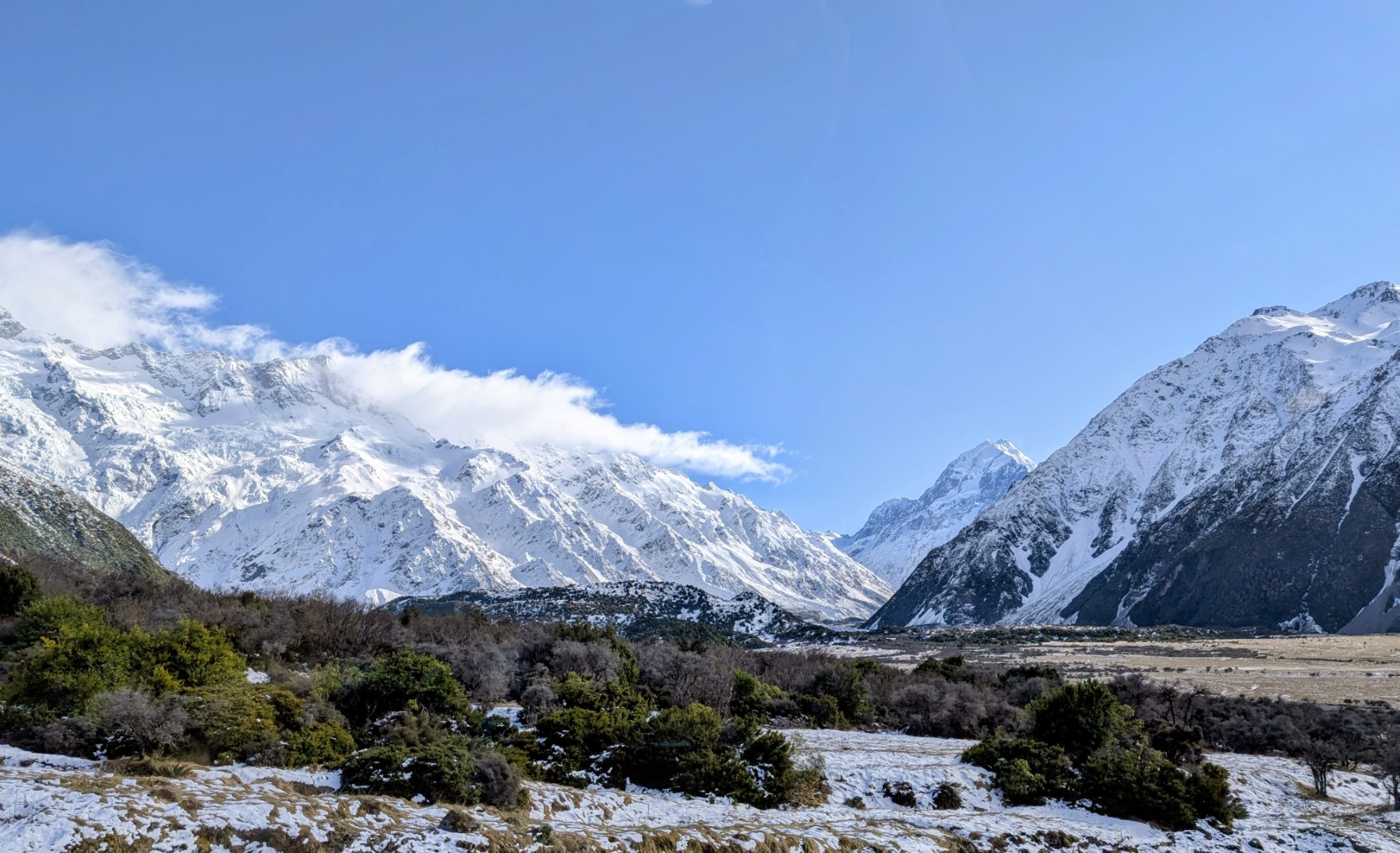
It was lovely to wake to clear skies again this morning, with another amazing view of Mt Cook from the bed!
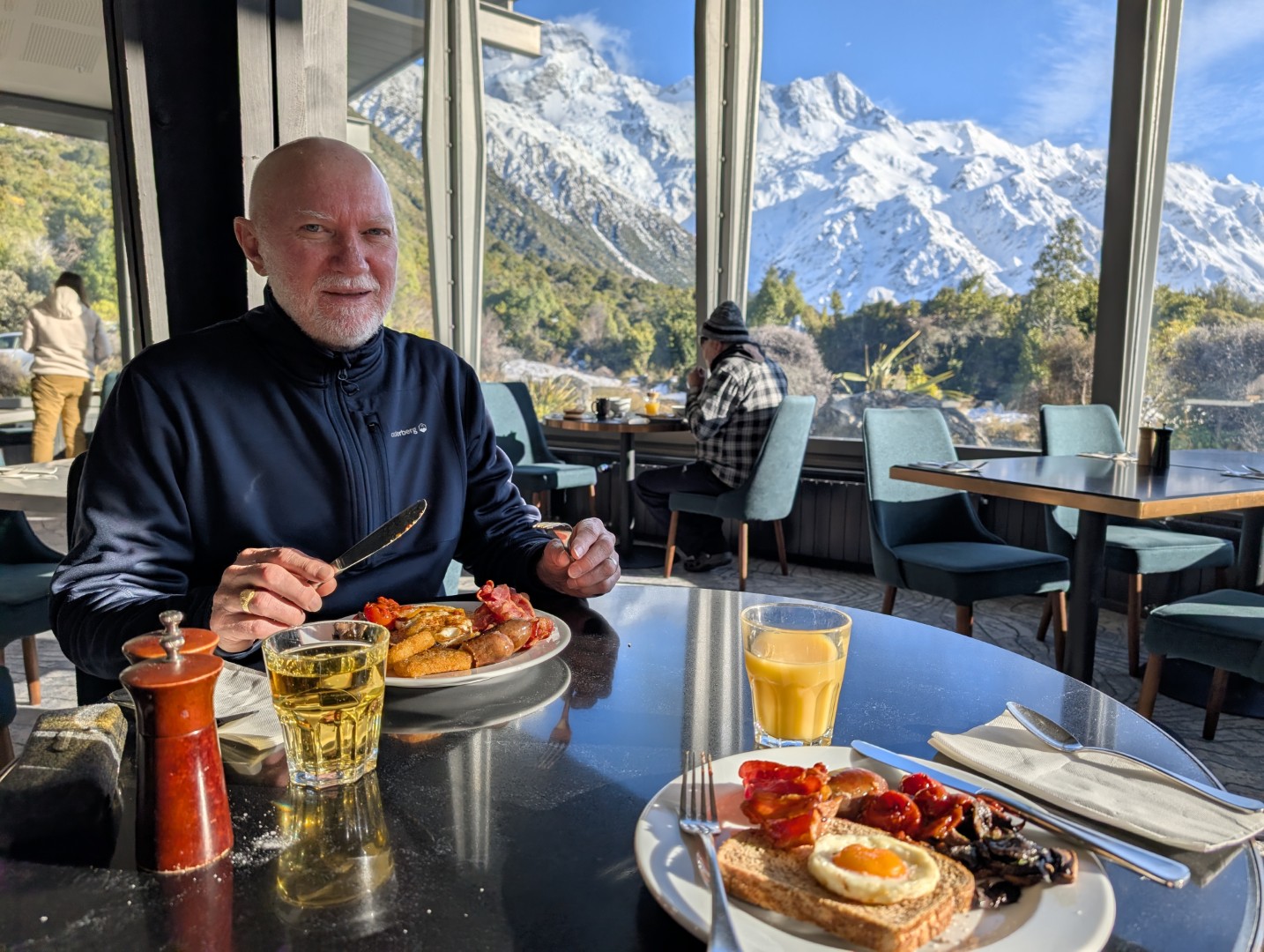
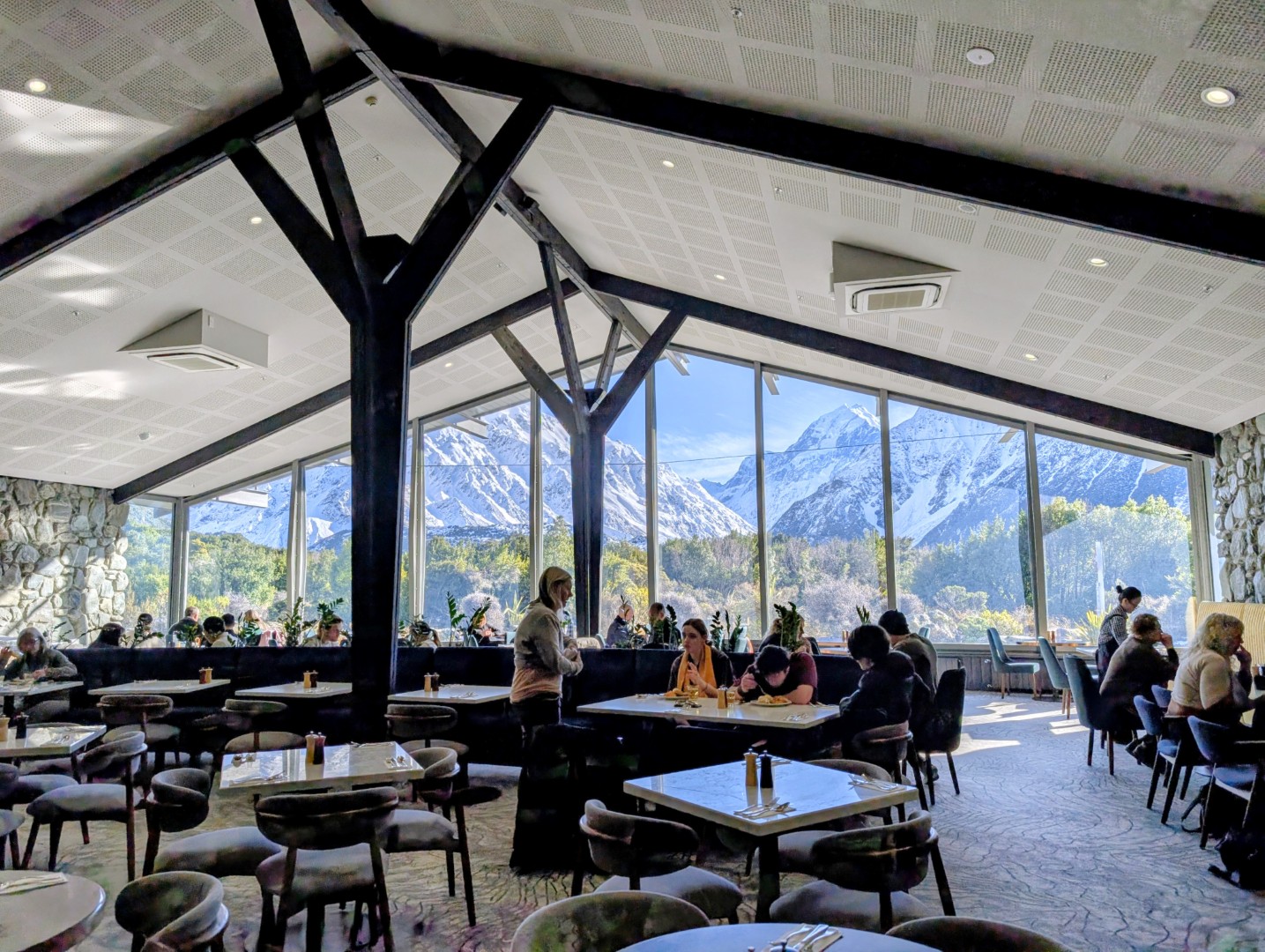
We took our time getting ready and then headed down to the restaurant for breakfast. I don’t think we’ve ever had a better view at a hotel breakfast anywhere else!
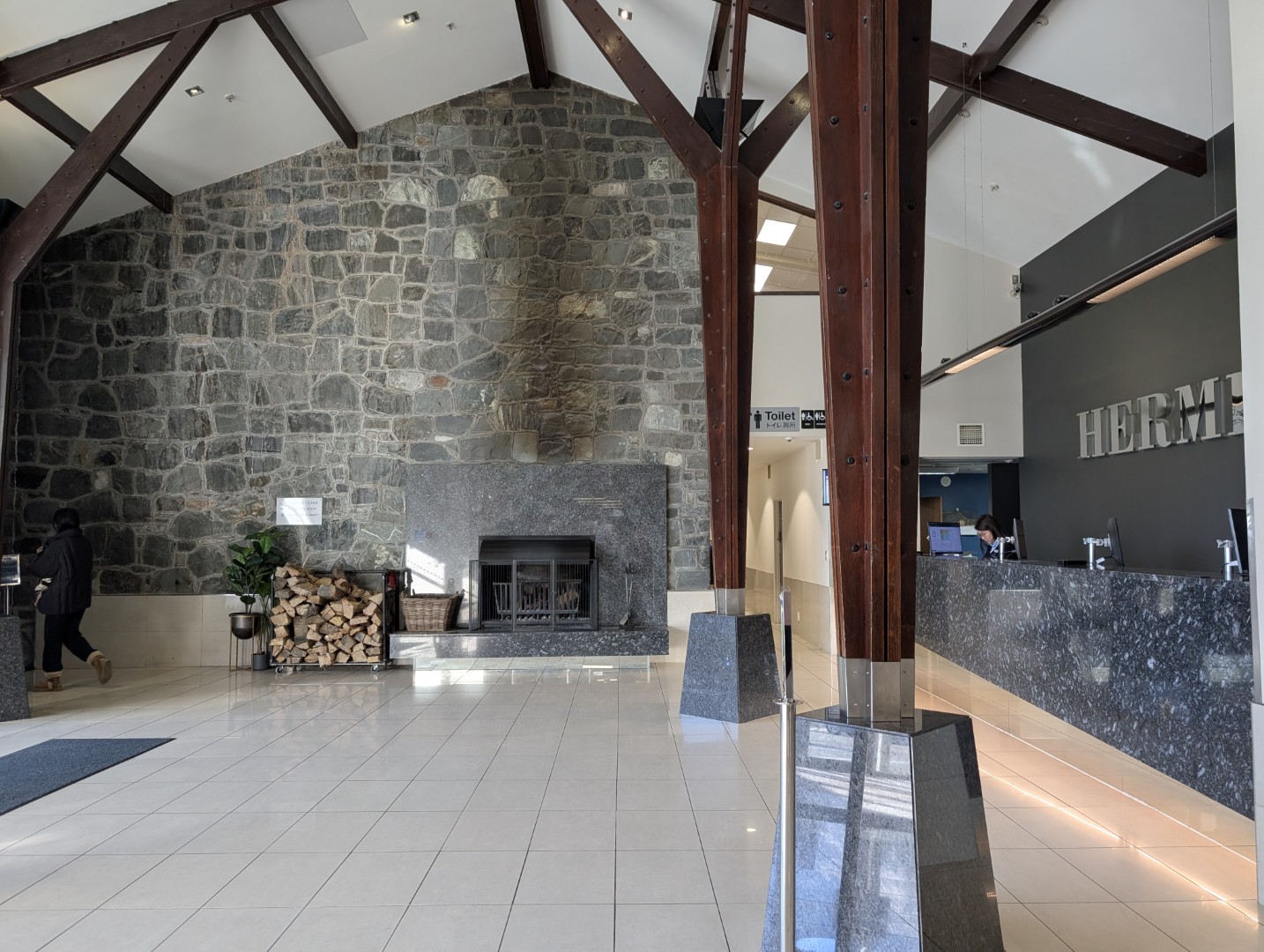
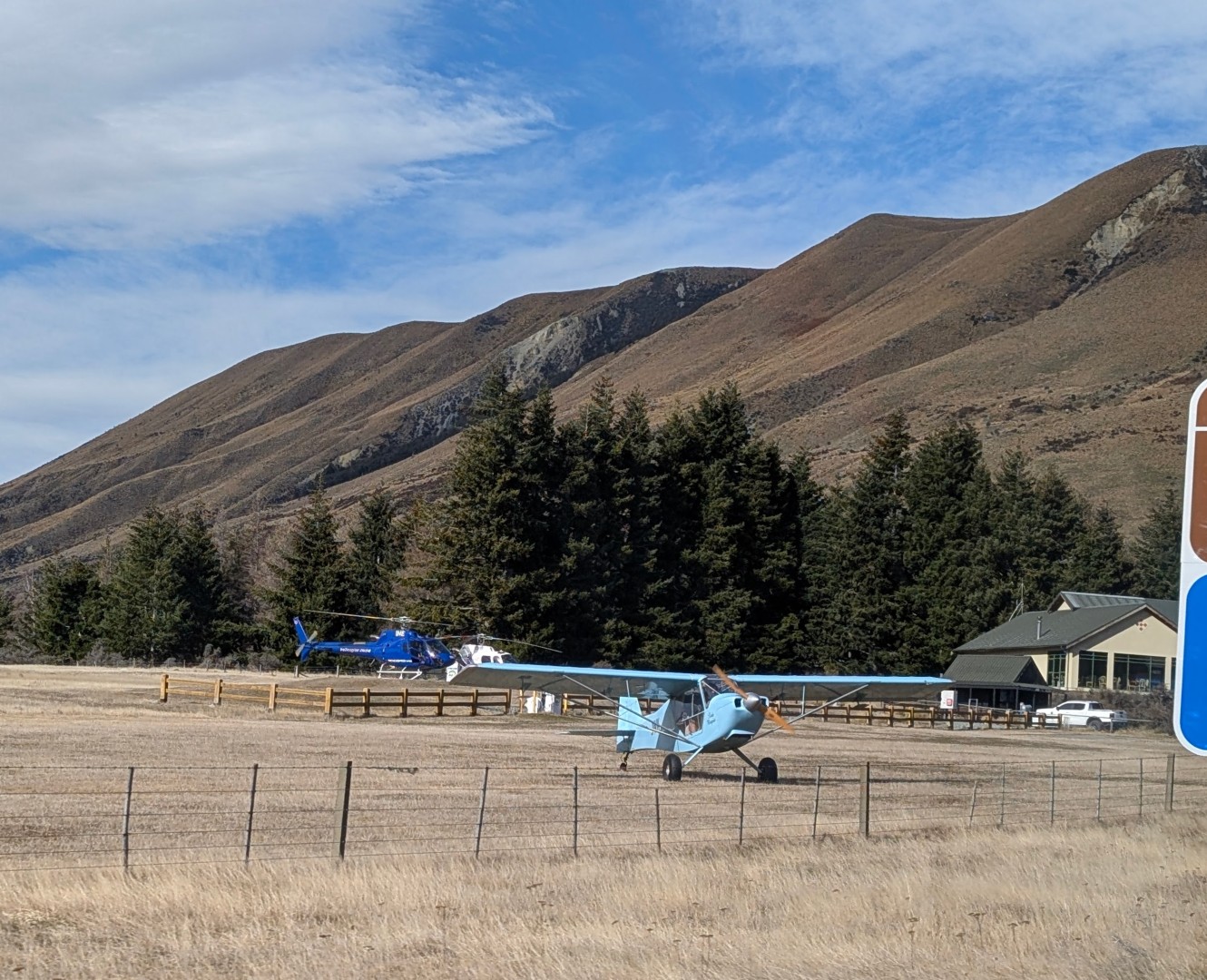
It was a little sad to leave Aoraki-Mt Cook, I was thinking that maybe we should have planned an extra night here. However, I guess it just gives us an excuse to come back some day. The skies stayed bright as we drove back down past Lake Pukaki. We saw several helicopters and a small plane flying off up the valley for the tourist landings on the glacier. I’ve down that twice in my life here, once with Mum and Dad and again with the family in 2001. We didn’t feel the need to do it again this time. We saw a helicopter ready to go as we passed the flight center at Glentanner.
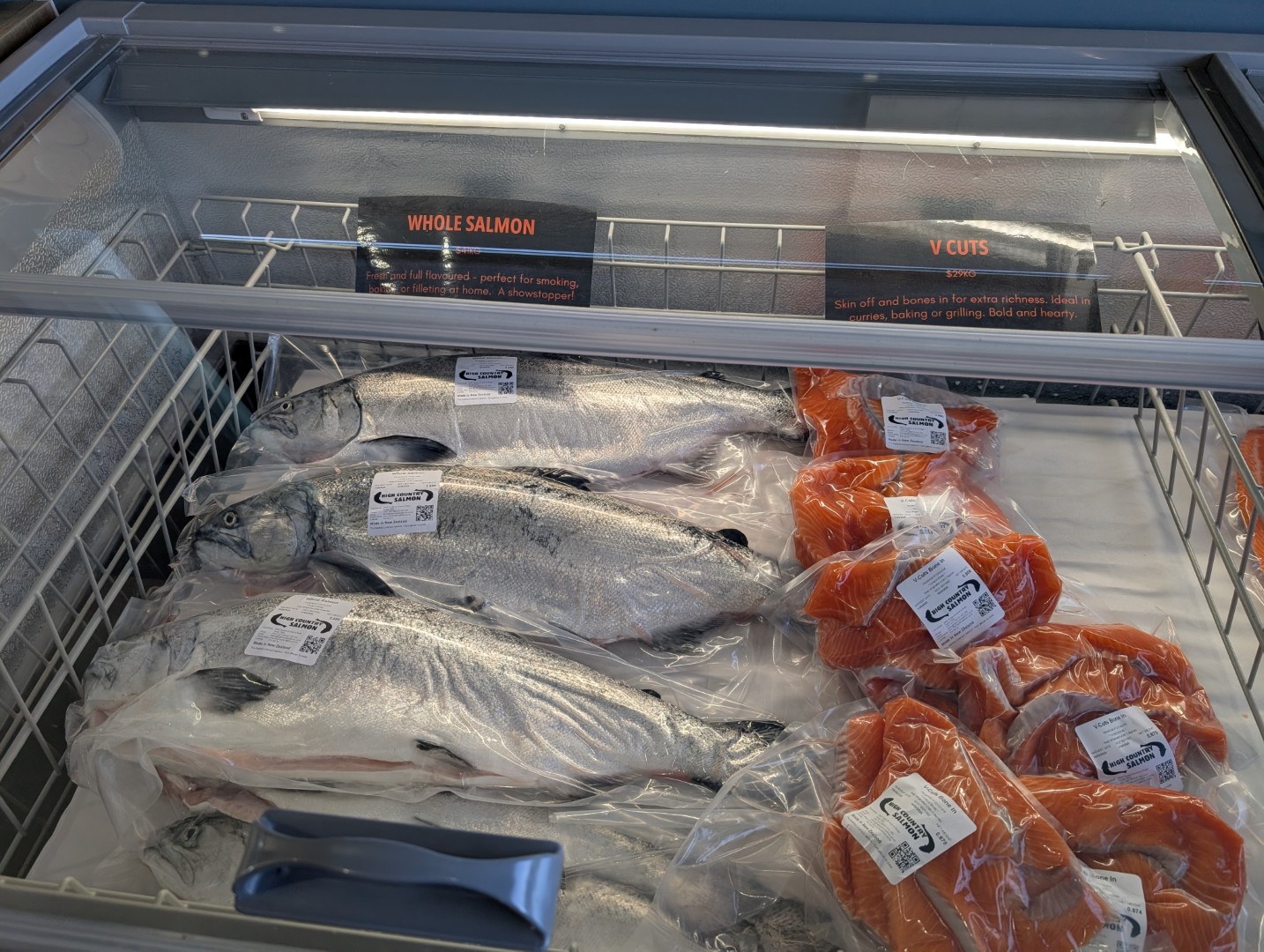
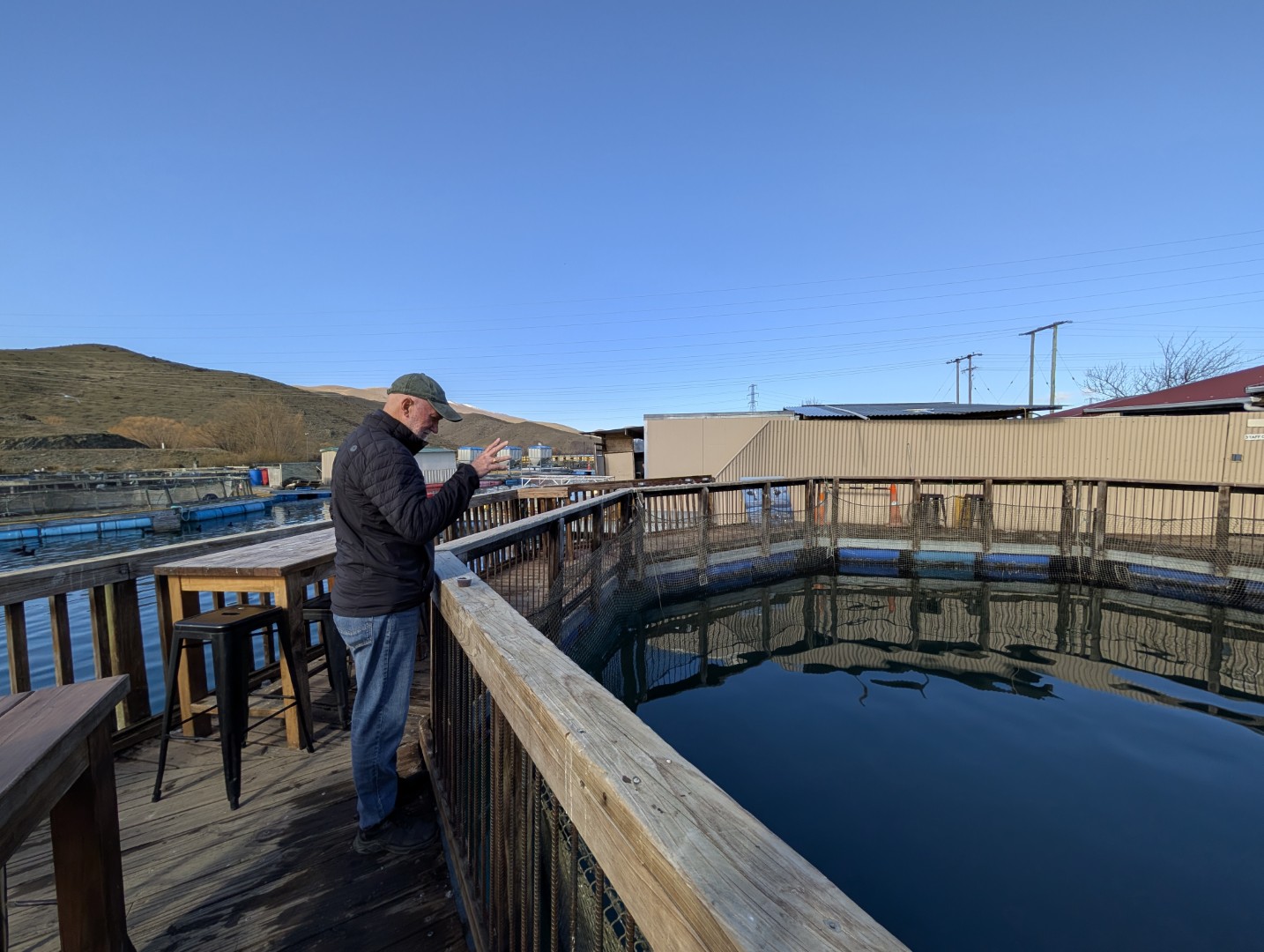
About 55 km down the road from Mt Cook, we stopped in at the the High Country Salmon Farm , the salmon farm is glacier-fed. It’s owned by a local family and they raise, harvest and serve their salmon right from the farm. They had a cafe and a deli selling several different cuts of fresh and smoked salmon and they also have a fish feeding area and run “catch a fish” sessions. We fed some baby salmon who were no more than 25 centimetres long , they had to compete with the ducks and the seagulls who also seemed fond of the salmon food!
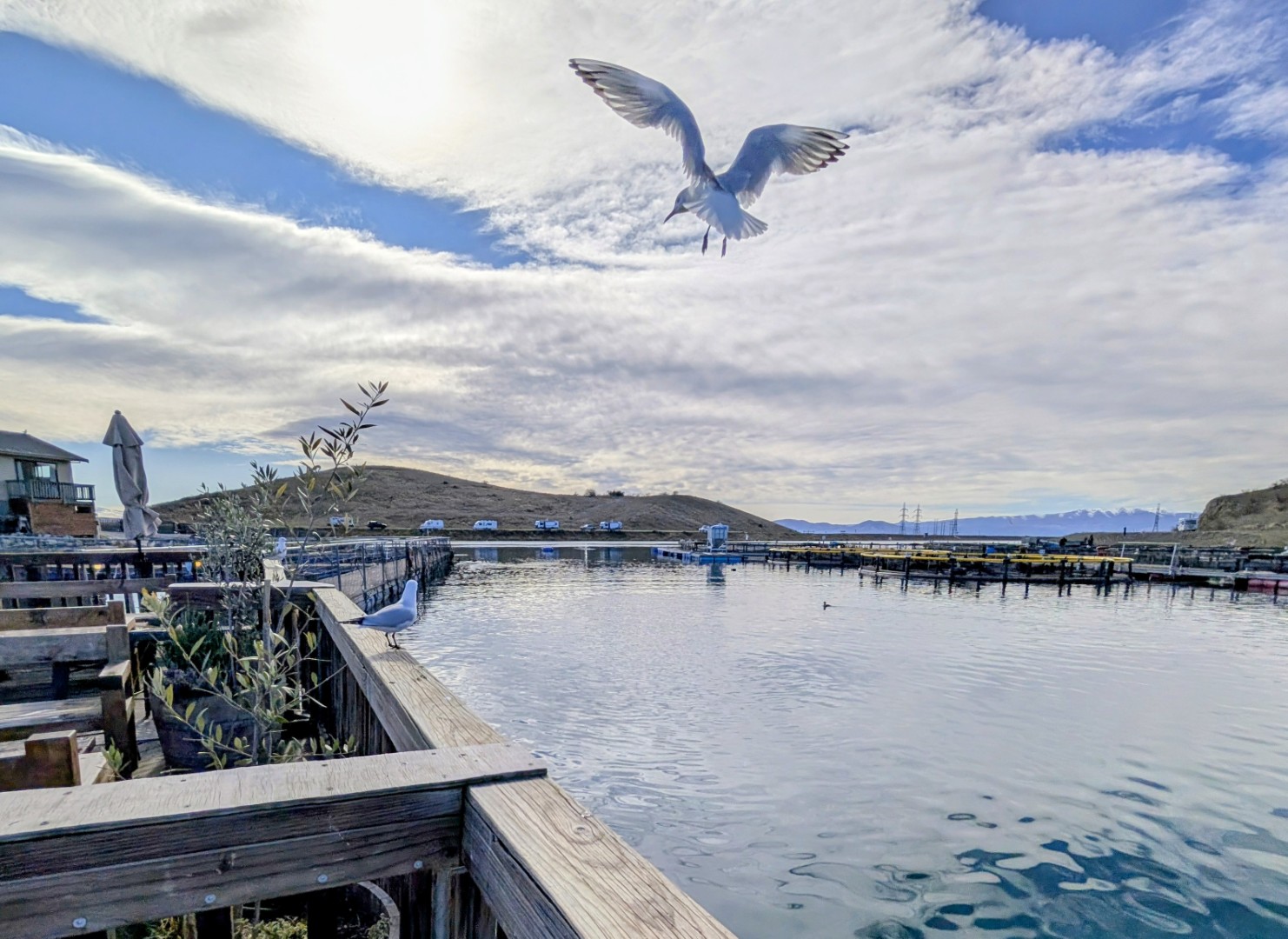
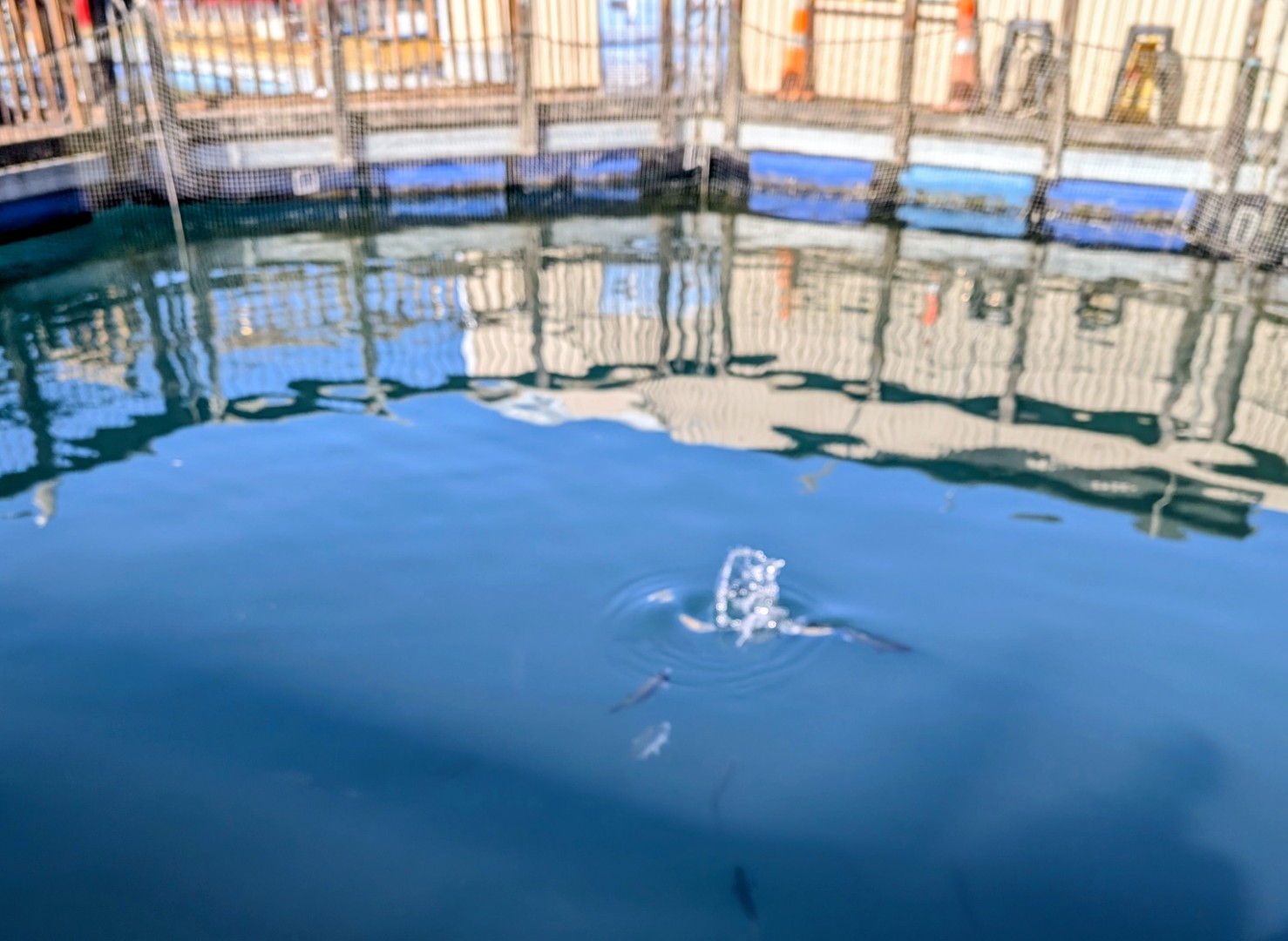
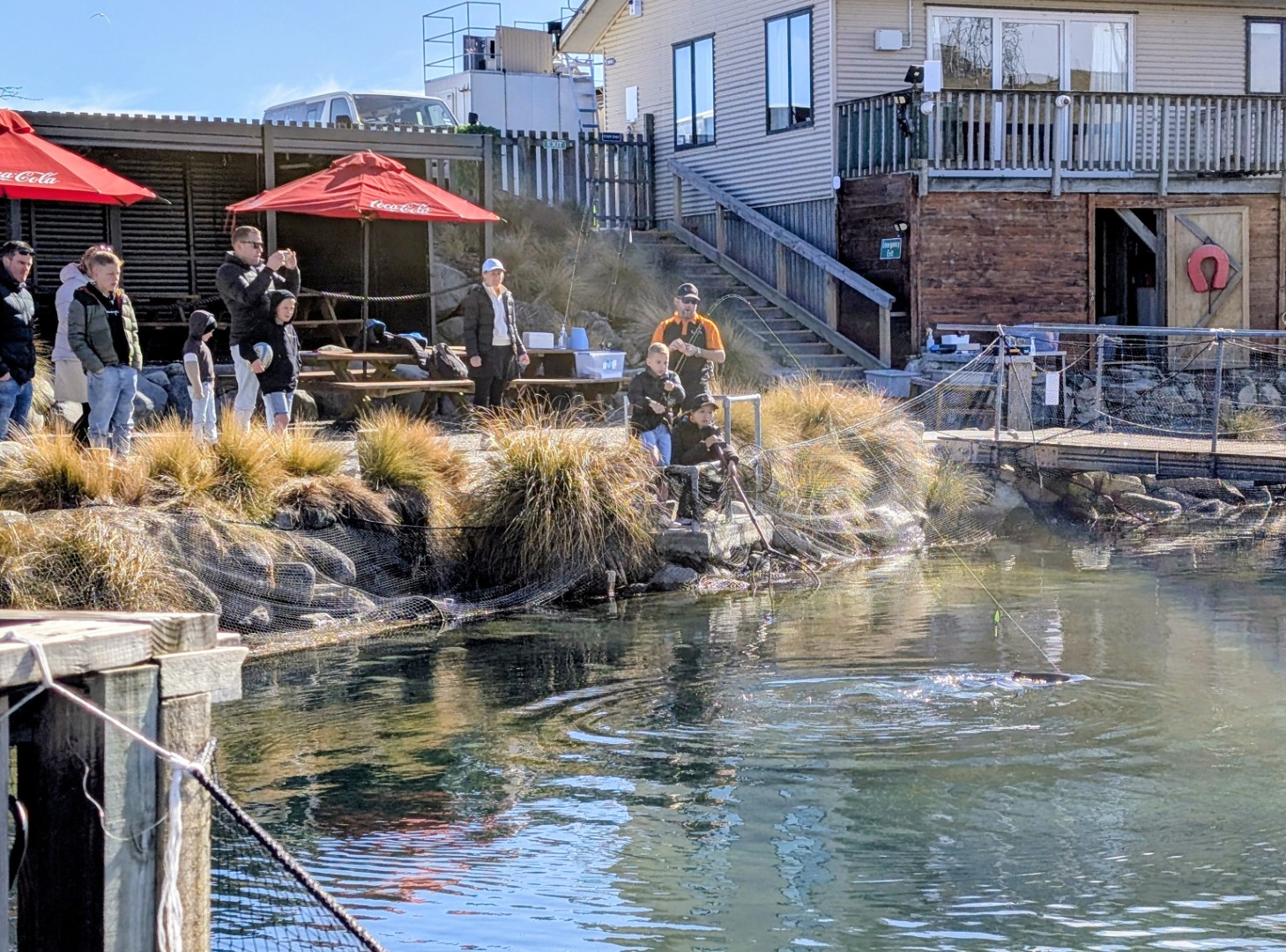
We also watched a young boy being given a fishing lesson, he caught a beautiful Chinook salmon, a big one!
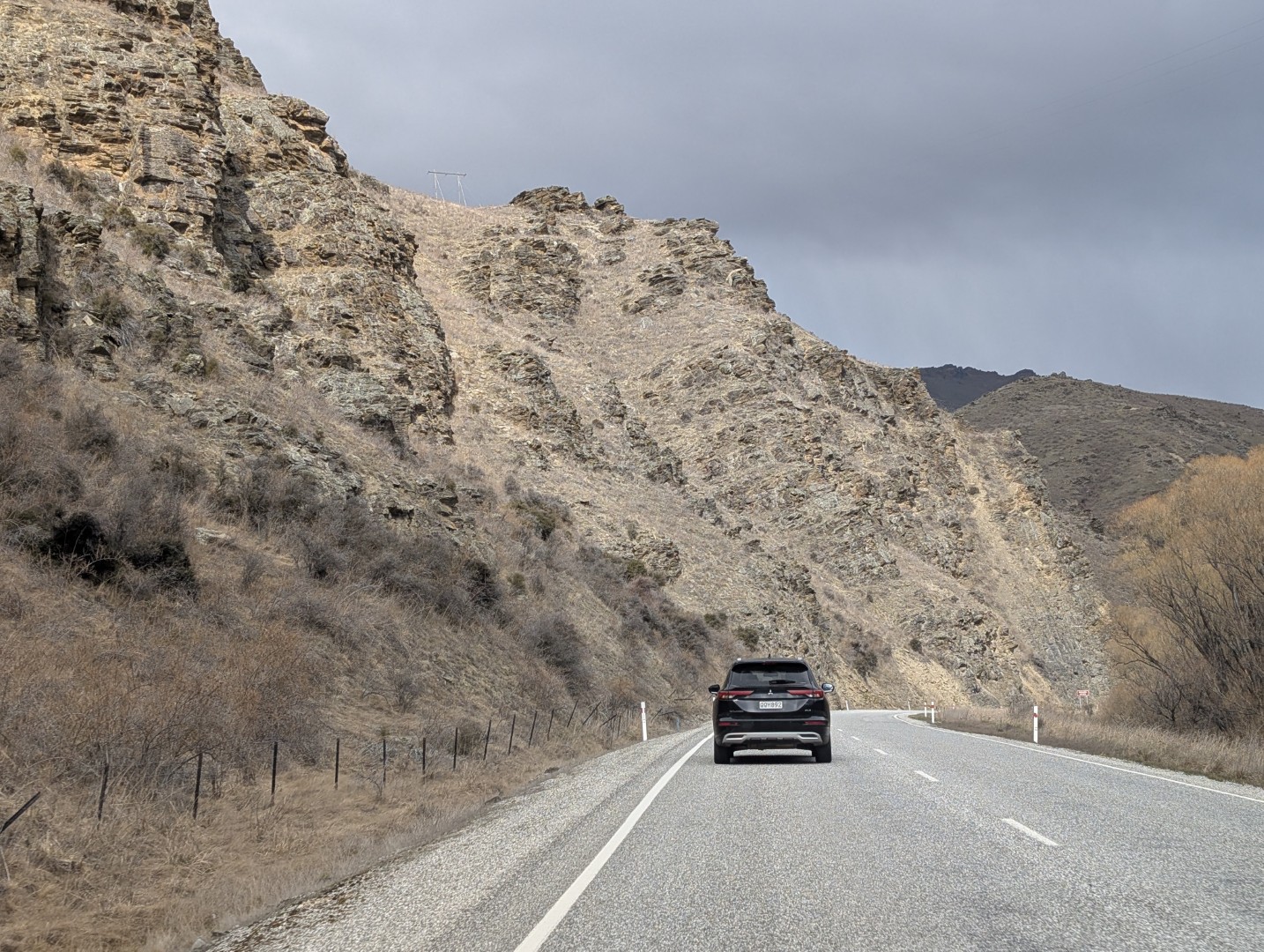
From the salmon farm we had another 40 minutes drive to the Lindis Pass. It’s 971 metres high and set in a dramatic, tussock covered landscape. The clouds had come over and it was threatening rain, but luckily it held off long enough for us to get a photo.
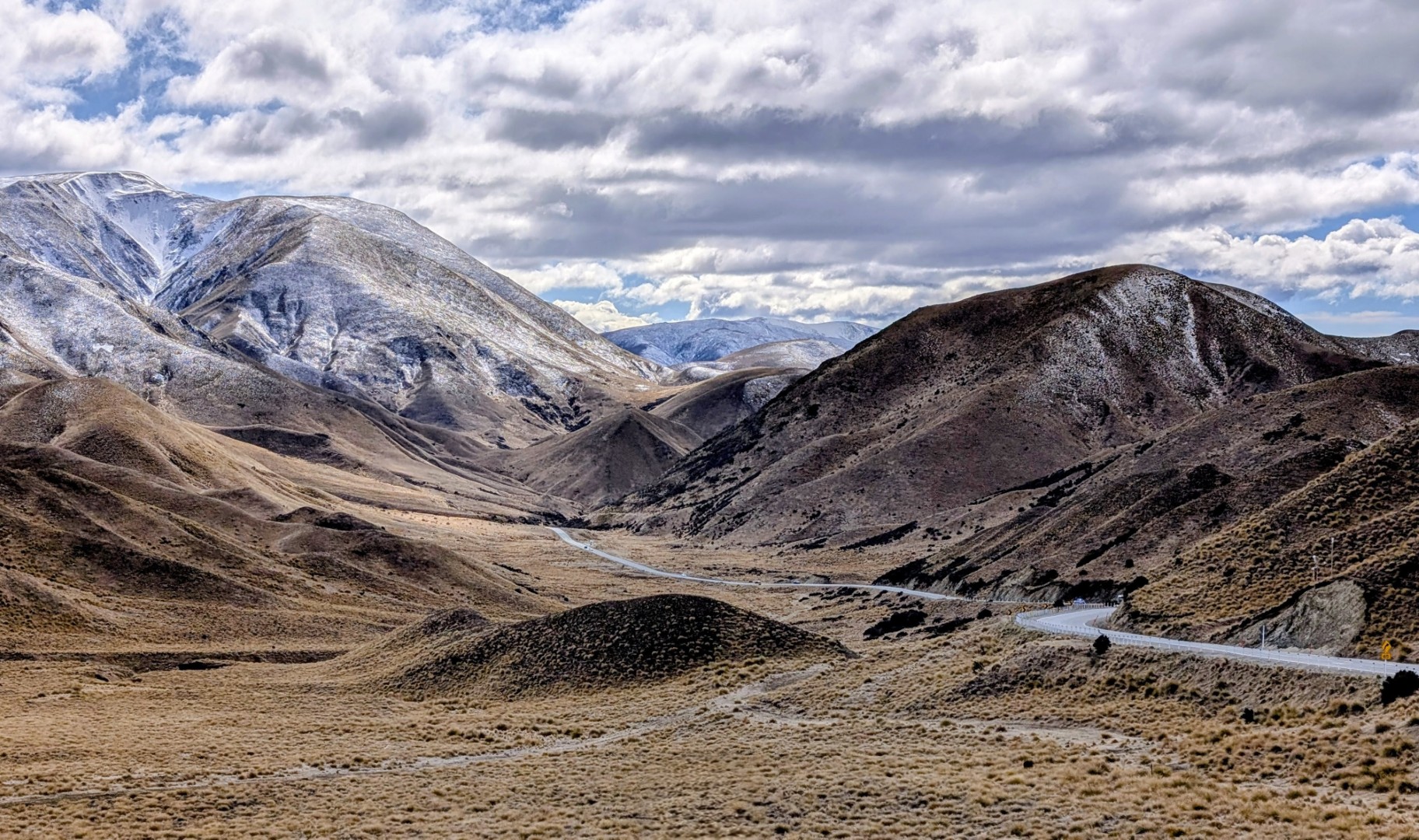
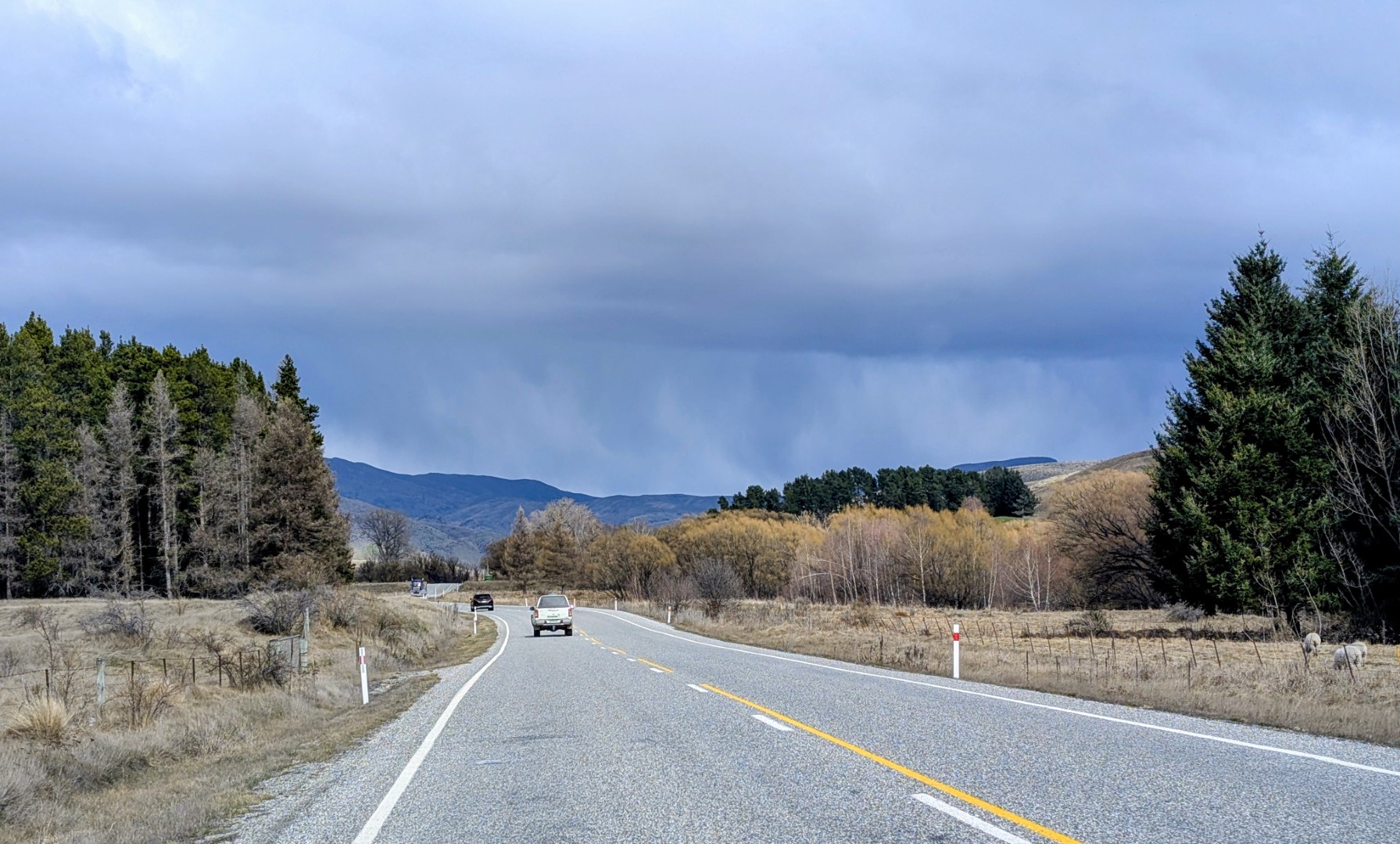
The brown, tussocky , high-country landscape stayed with us pretty much for the rest of the day. The next section was open but the sky was opening up above and I was expecting heavy rain up ahead..
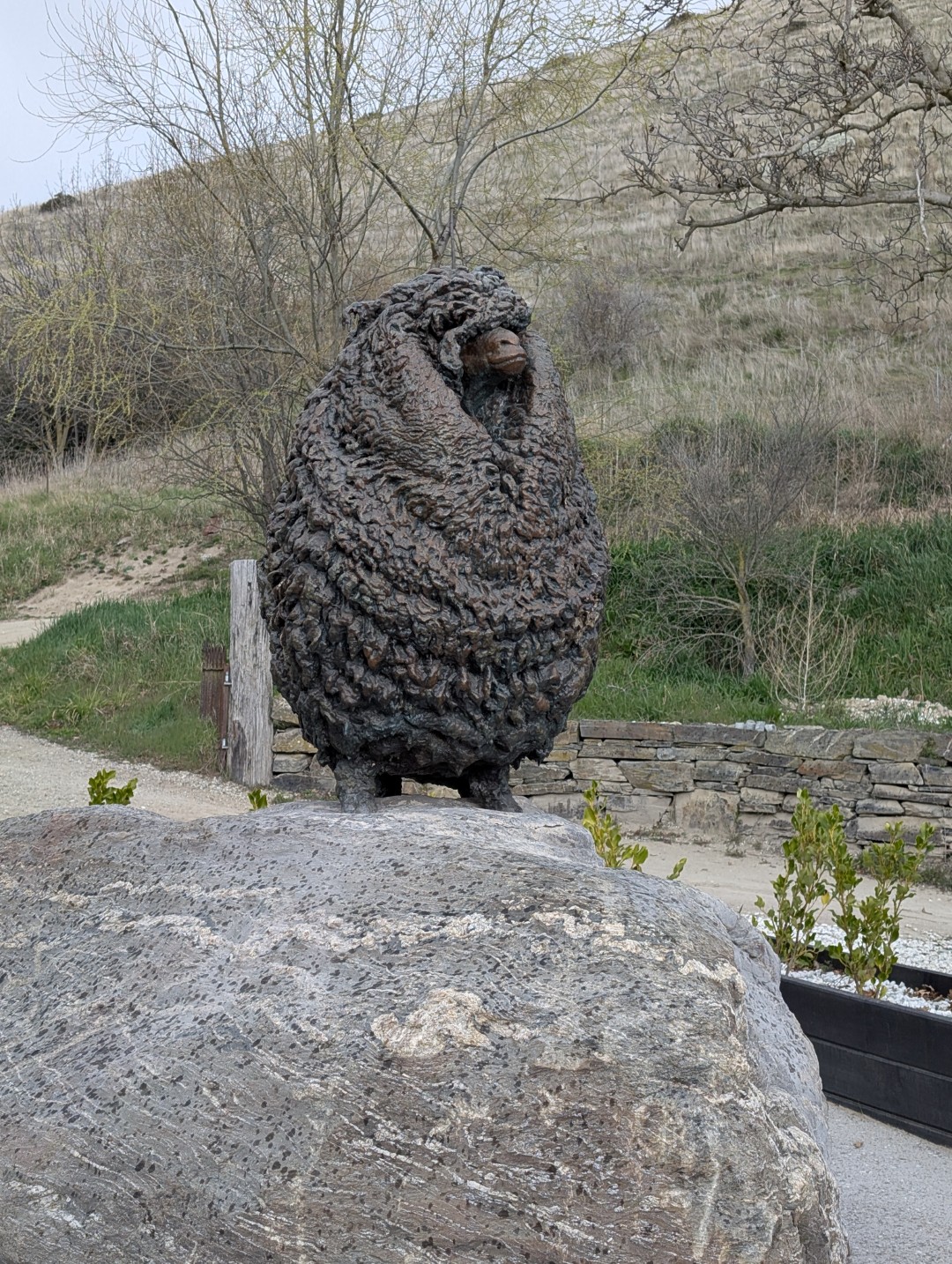
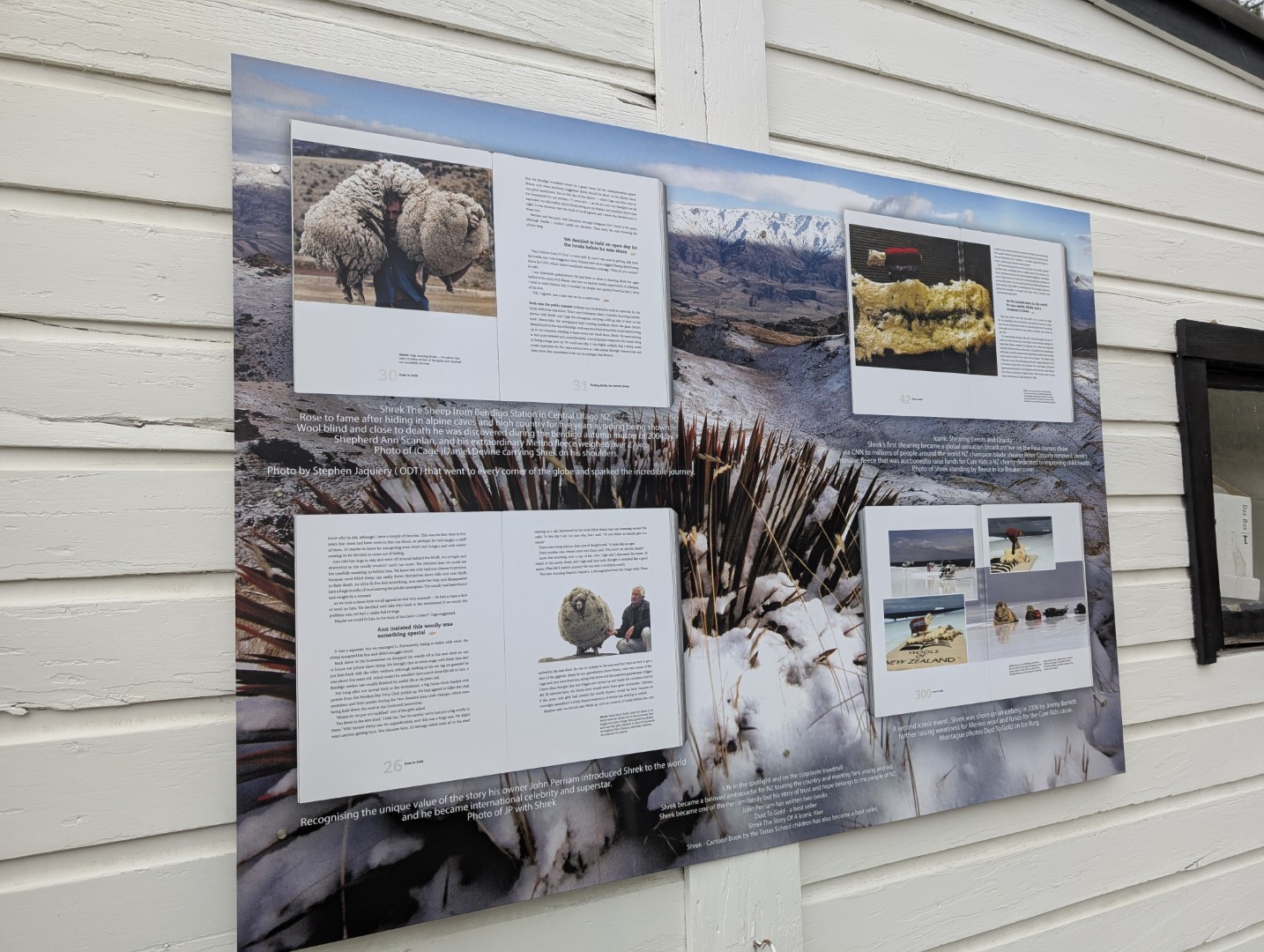
Tarras Farm Shop and Cafe, where I’d read they also had a museum that honoured a famous NZ sheep called Shrek. Shrek was a Merino sheep belonging to Bendigo Station, He gained international fame in 2004, after he avoided being caught and shorn for six years. Merinos are normally shorn annually, but Shrek apparently hid in caves, avoiding muster. His fleece was huge! After finally being caught on 15 April 2004, he was shorn by a professional in 20 minutes on 28 April. The shearing was broadcast on national television in New Zealand. His fleece contained enough wool to make 20 large men’s suits. Shrek became a national icon. He was taken to parliament to meet the then-New Zealand Prime Minister, Helen Clark, in May 2004, to celebrate his 10th birthday.
When we arrived at Tarras, I’m afraid the Shrek museum was a bit of a dud. They did have a statue and an information board, but I’d been expecting a bit more! Maybe Shrek’s fame is fading and he isn’t drawing a crowd any more.
Not long after Tarras we found ourselves passing along the edge of Lake Dunstan. The lake is a man-made hydro lake , created by the construction of the Clyde Dam on the Clutha River. The lake, also known as Te Waiwere, is now a hub for recreational activities like sailing, kayaking, and fishing, and it provides vital irrigation for the area’s vineyards and orchards. The Lake Dunstan Trail is a popular 55km cycling and walking path that runs along its southwest side and we were to see some of the cyclists at lunch.
However, before that I’d planned for us to stop and see some of the remains of the gold-rush that had boomed in the area in the 1860s. I’d read about an area called the Quartz Reef which was worth seeing, however when we got there we found that the path to it was now a construction zone, so we contented ourselves with taking some photos of the lake instead!
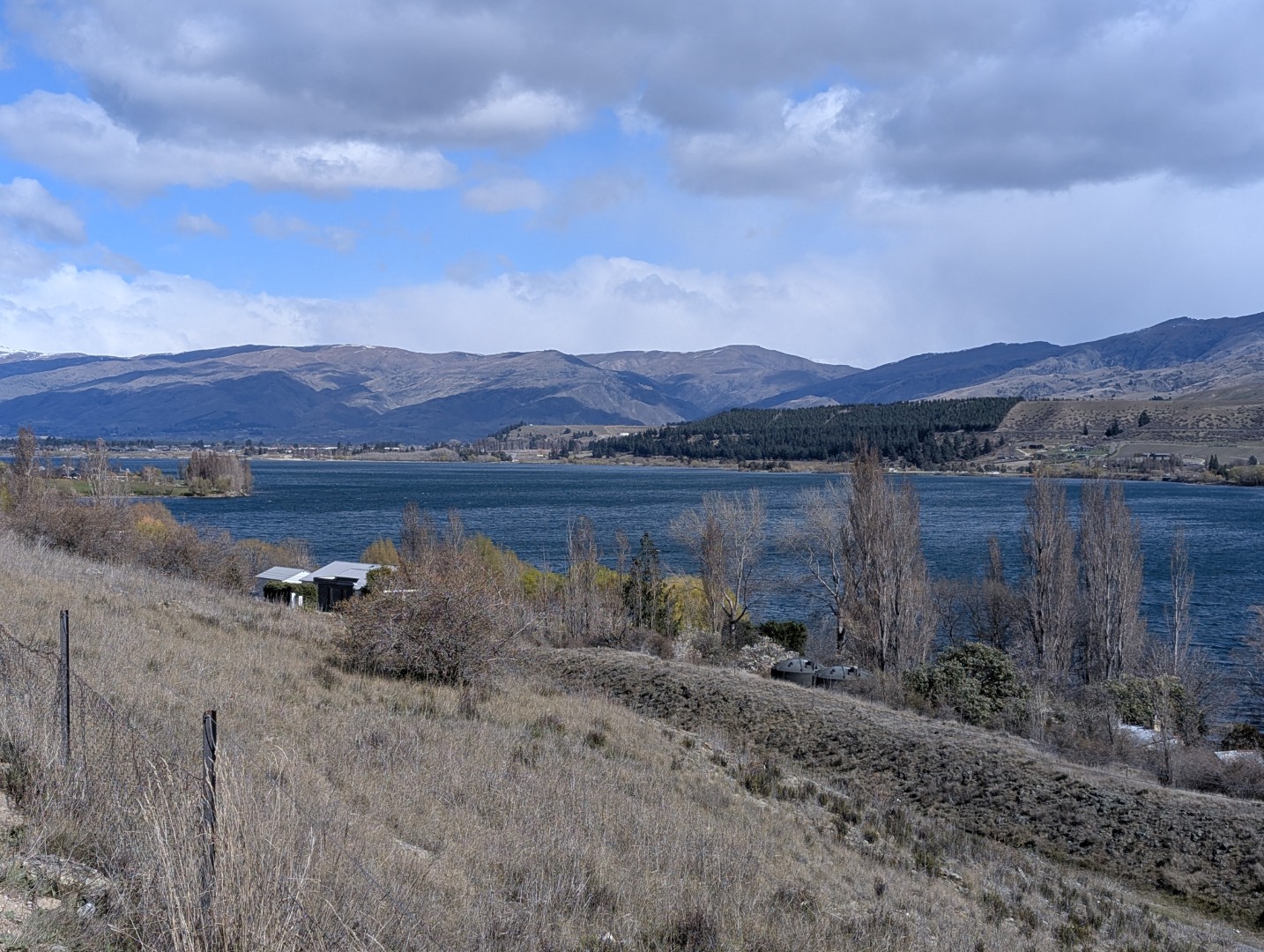
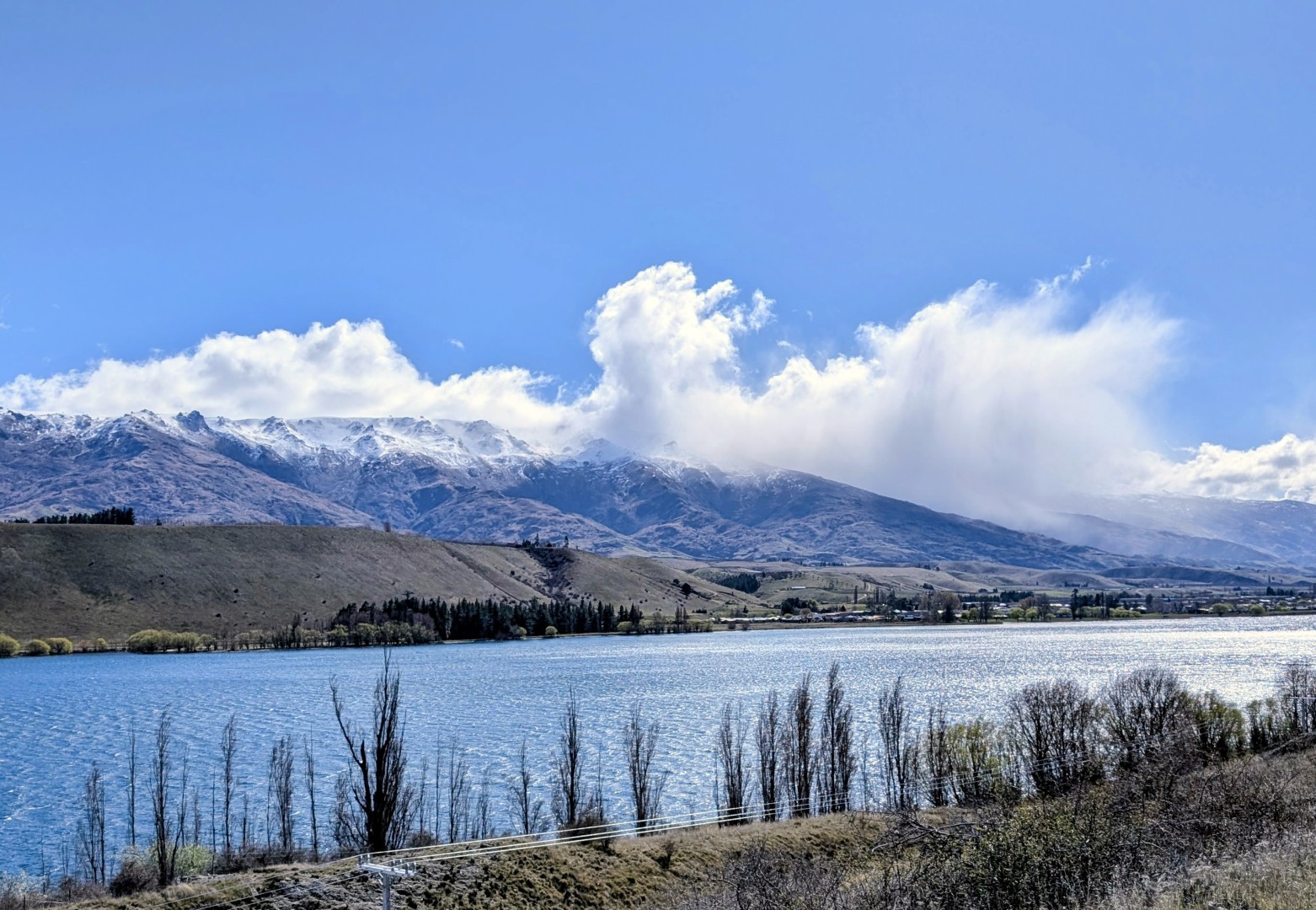
Luckily my next planned stop wasn’t a dud! As we neared Cromwell, we started to see lots of vineyards up on the hillside. We were entering the Central Otago wine region, which produces some of New Zealands most popular vintages. Just past Cromwell, we crossed the Kawarau River to Bannockburn. The Bannockburn area is a subregion of the Central Otago Wine region, considered to produce some of the world’s best Pinot Noir, not to mention impressive, vivid white wines. The vineyards occupy one of the warmest, driest sites in the region. Harvest can be up to a month ahead of other subregions, and the wines produced are highly distinctive and complex.
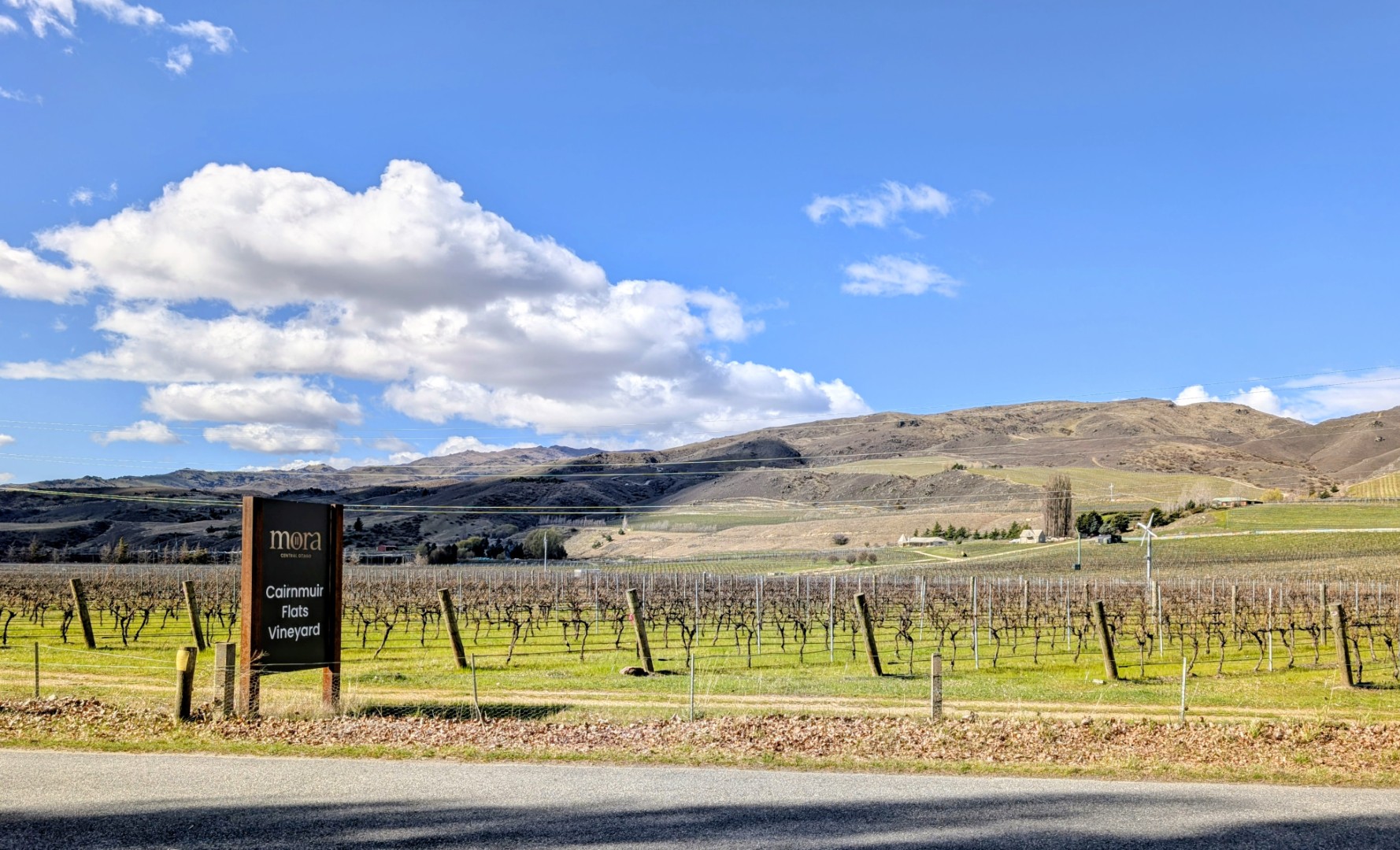
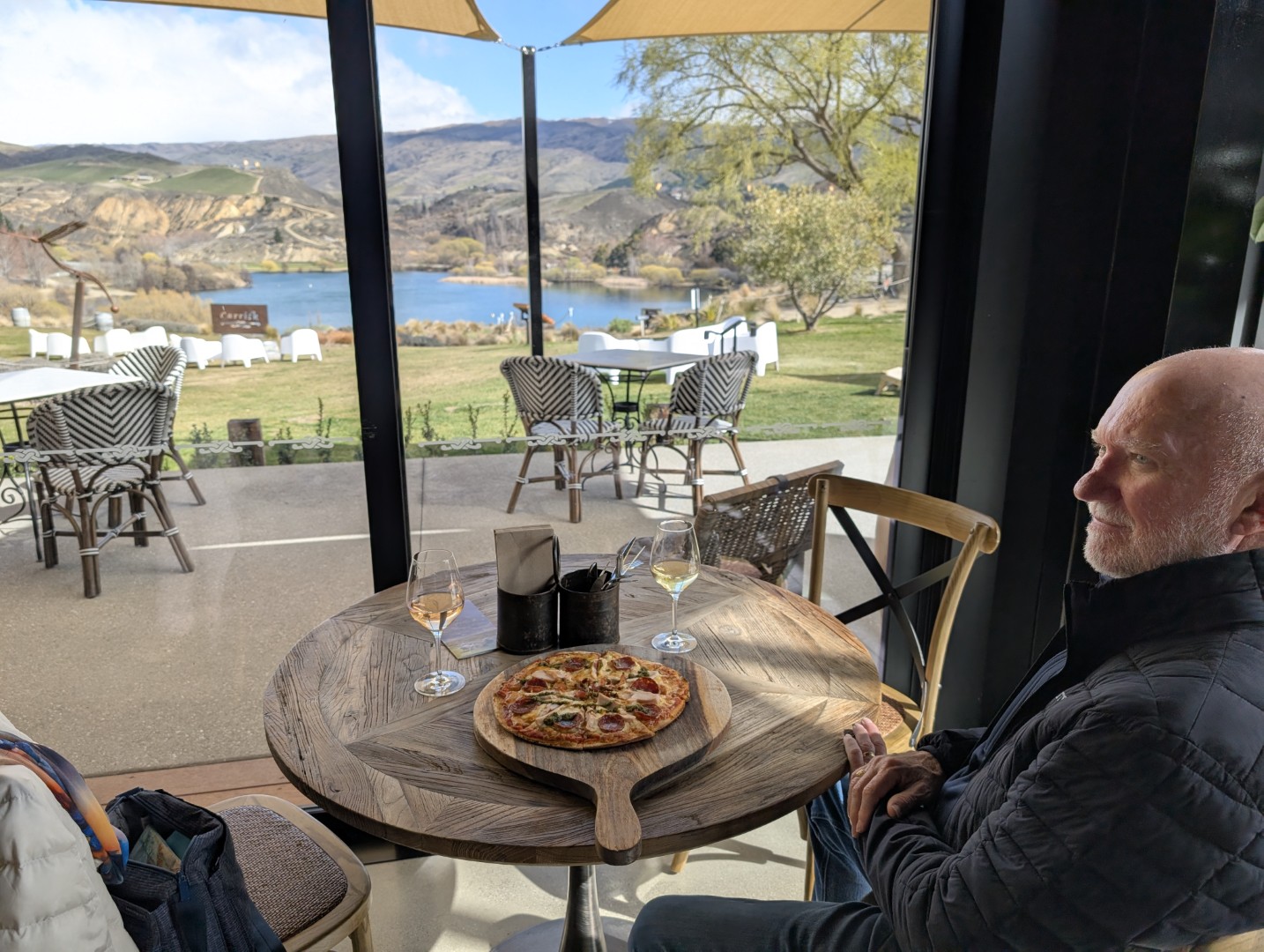
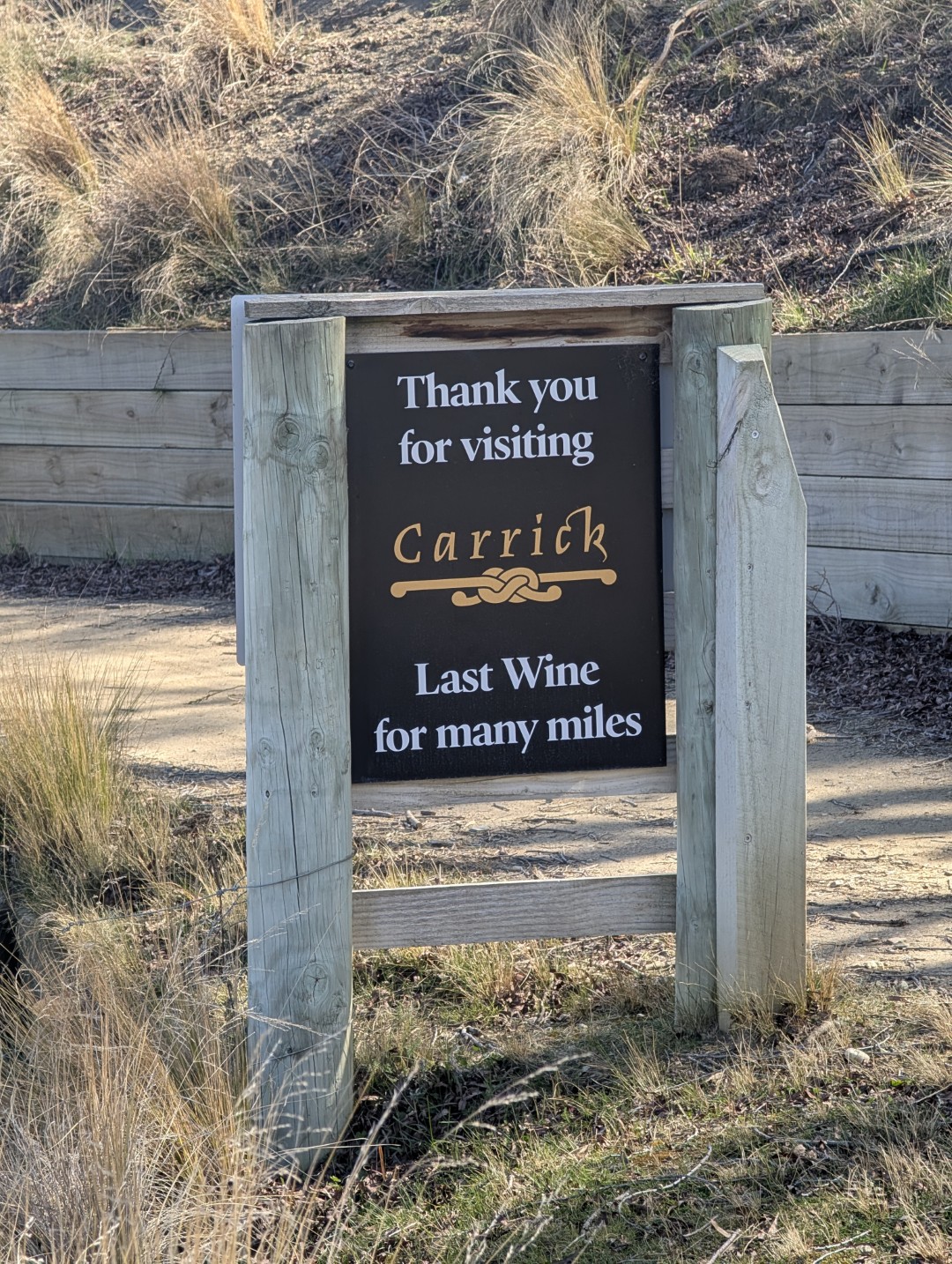
Several of the wineries here also have bistros or restaurants so, as it was time for lunch, we stopped in at Carrick Winery for a very tasty pizza in their Garden Cafe. We had a delicious meal accompanied by their own Rose ( for me) and Reisling ( for Neil); which we thoroughly enjoyed looking out over their garden and vines to the river below.
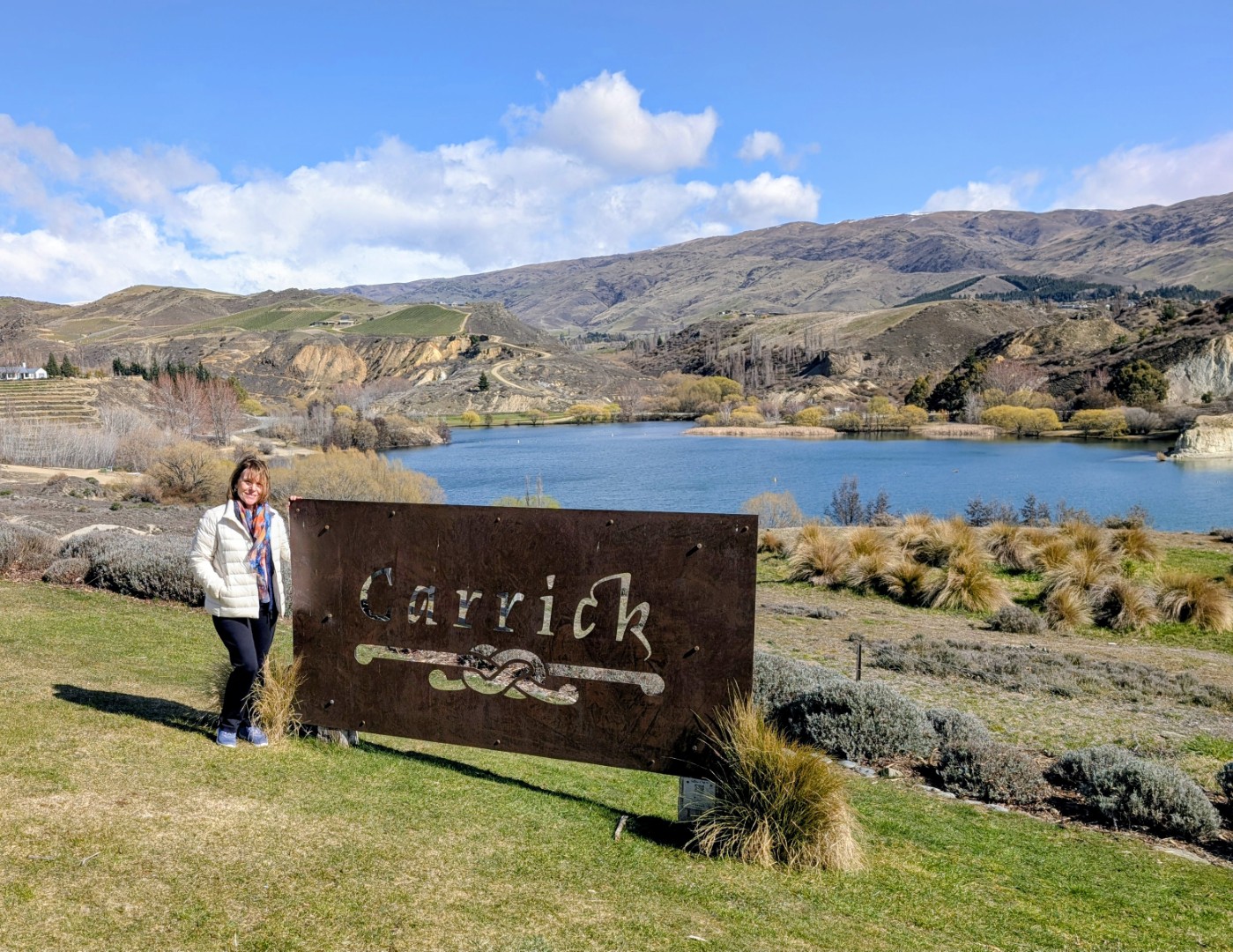
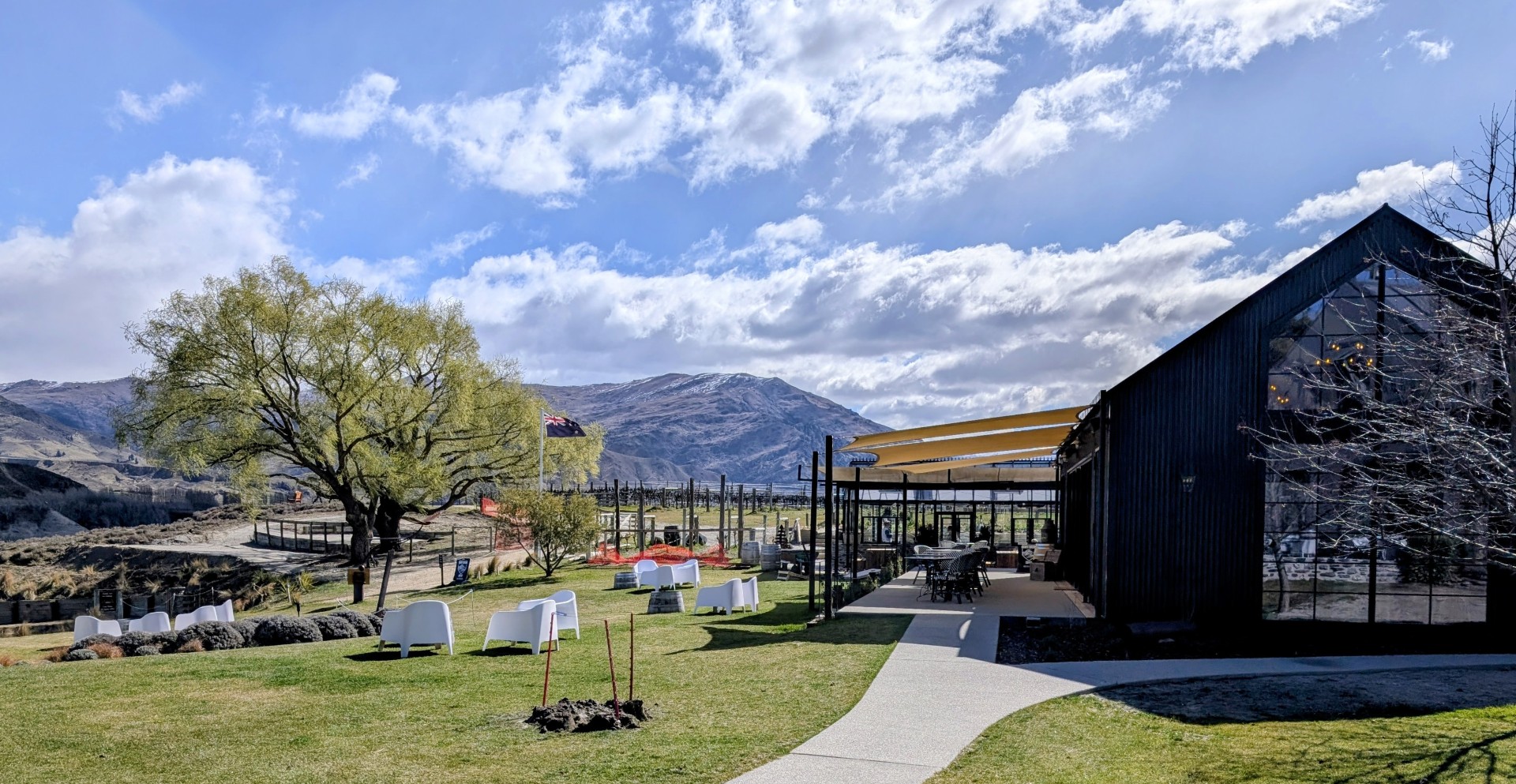
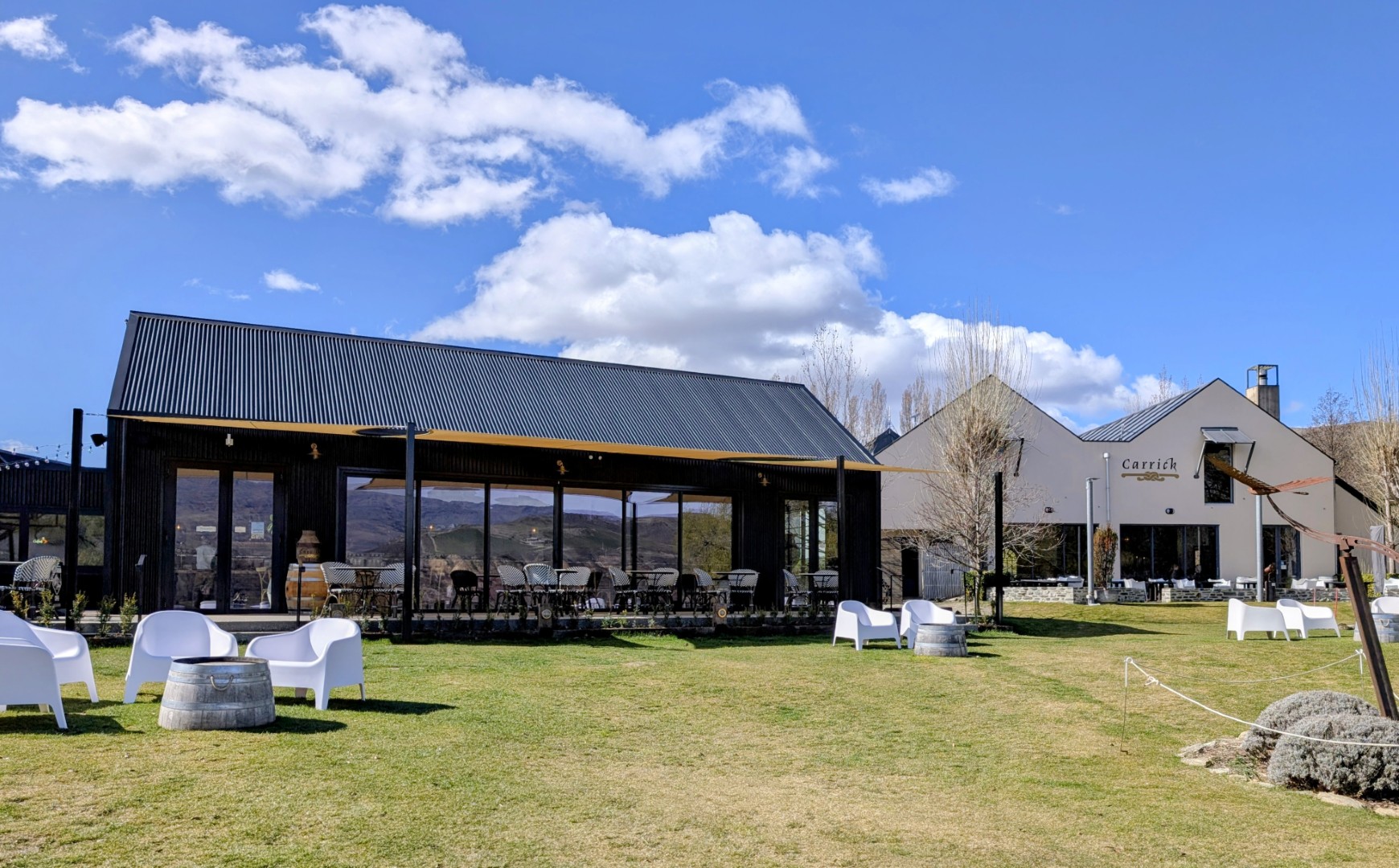
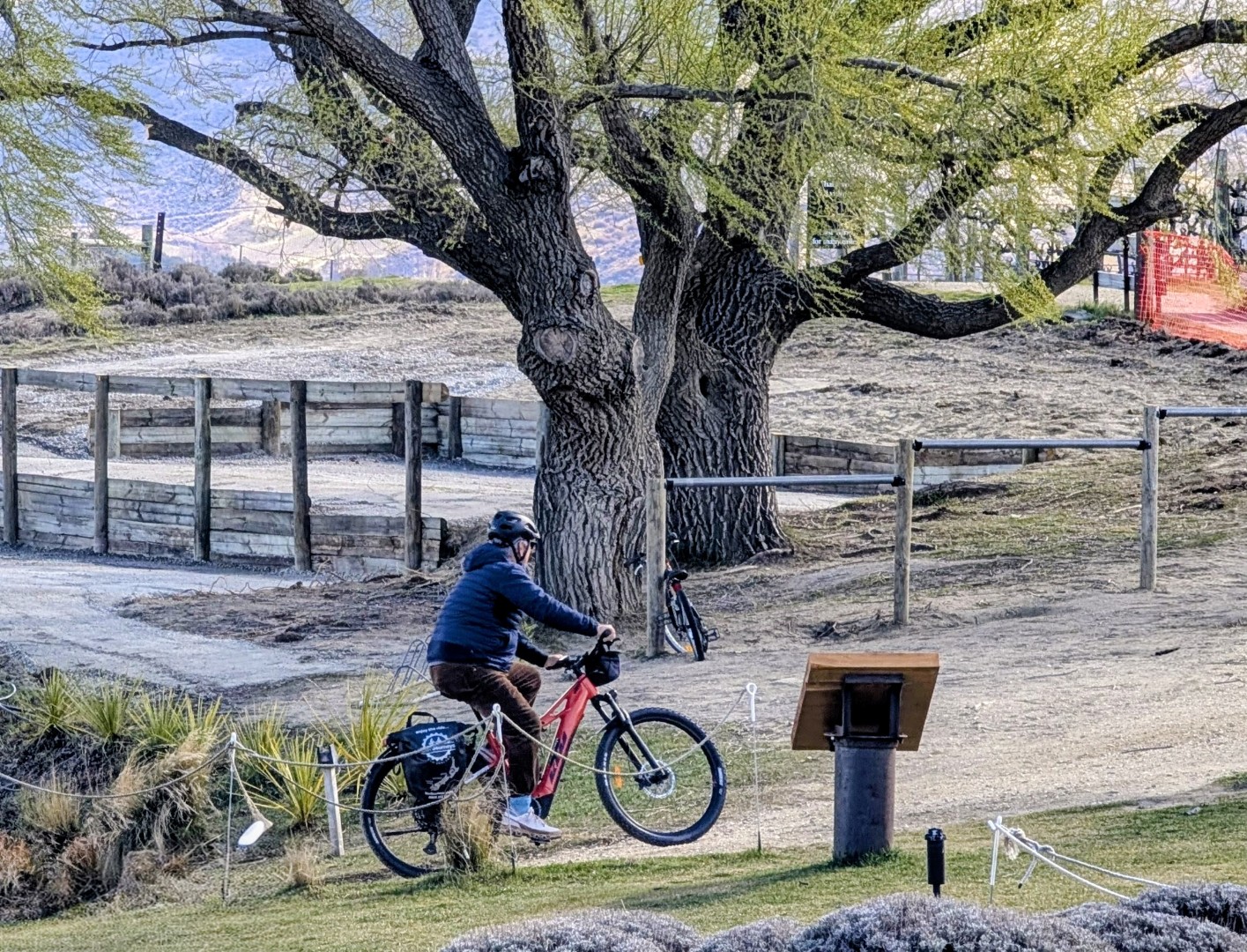
The winery is also one of several others that is located on the above mentioned bike trail. The wineries welcome cyclists to stop in and rest on their rides.
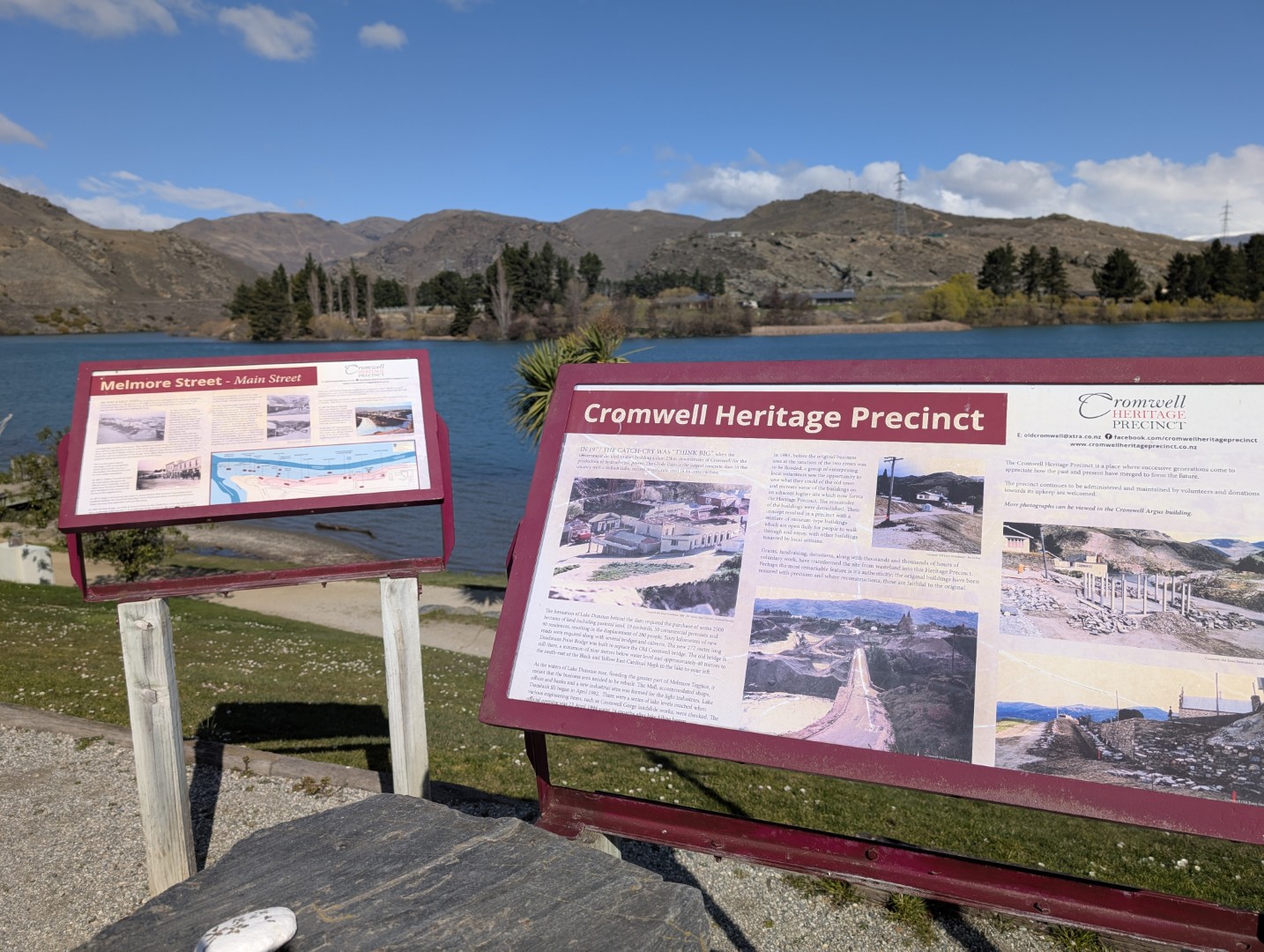
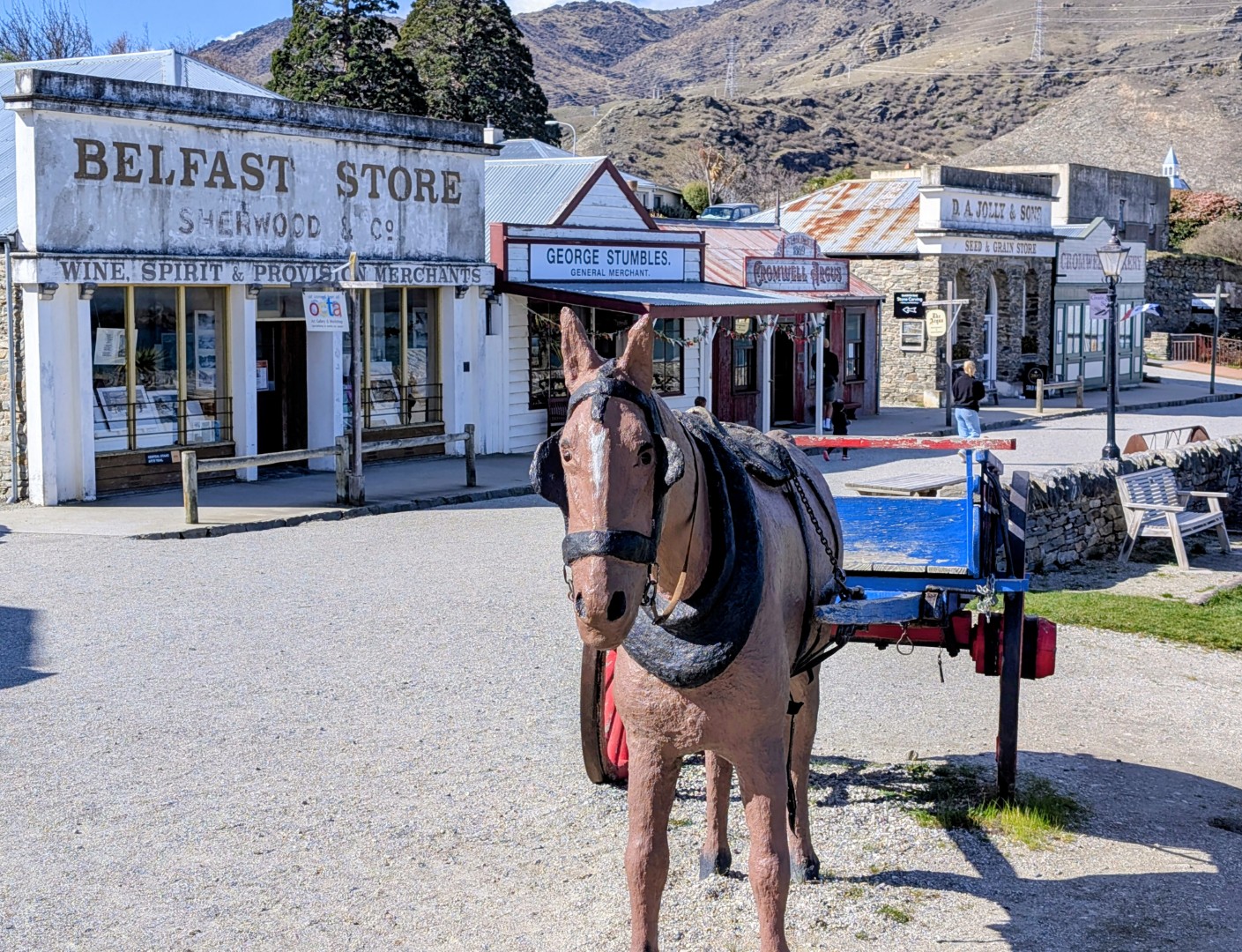
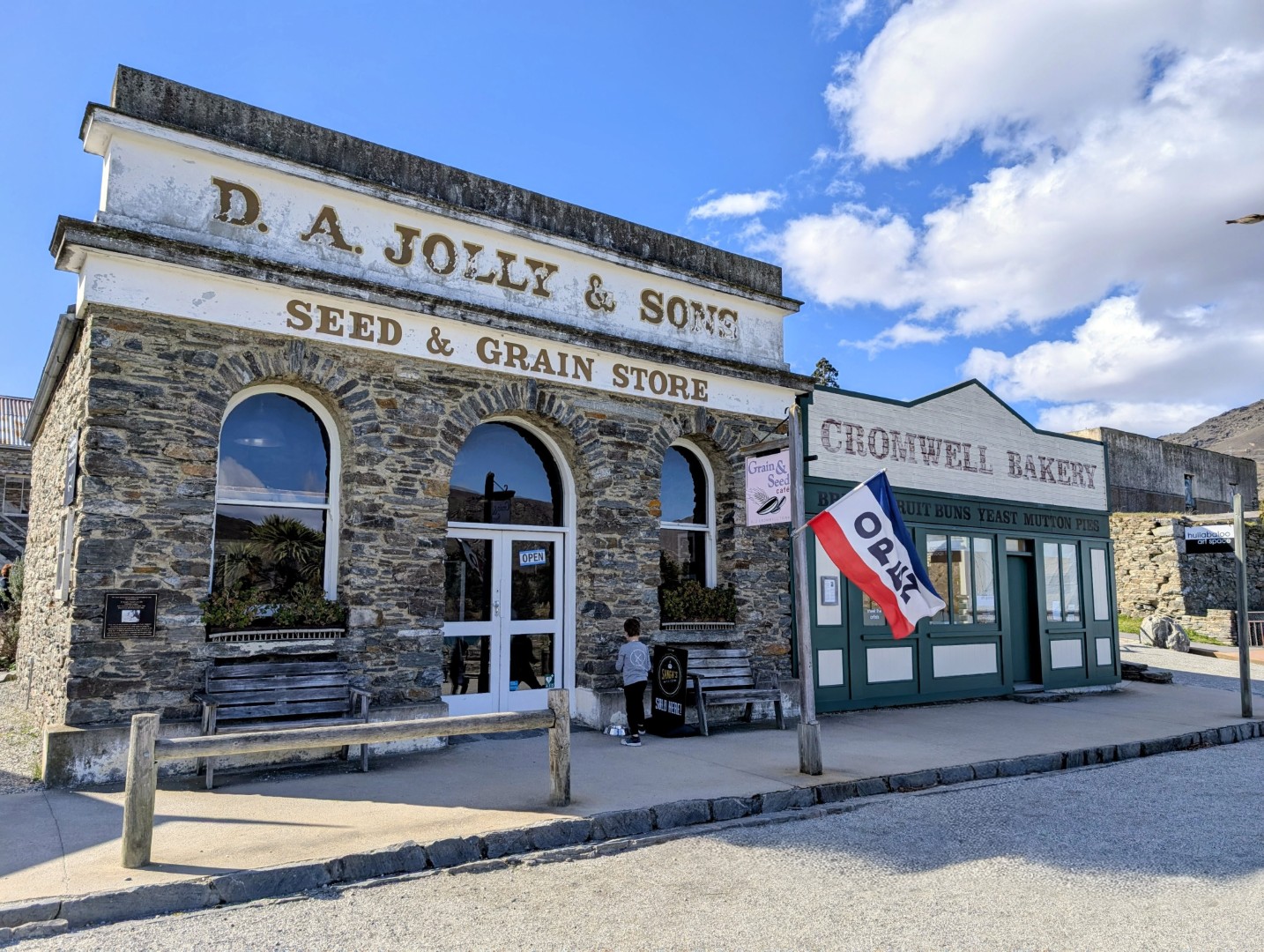
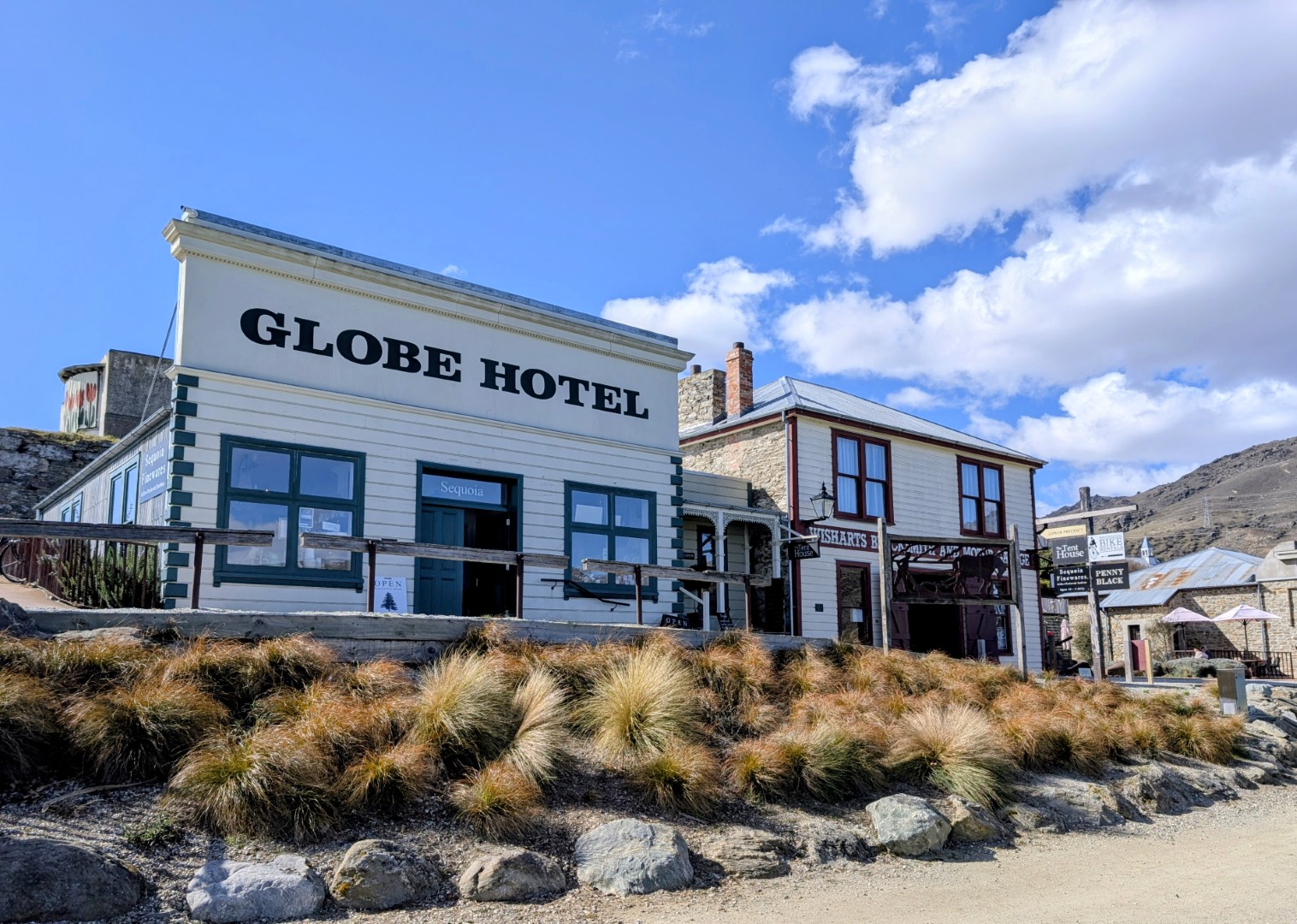
After lunch we backtracked a little to Cromwell to see the Cromwell Heritage Precinct. When the Clyde dam was completed in 1990, Cromwell’s main street disappeared under Lake Dunstan. Some of the historic buildings dating back to the gold rush of the 1860’s were saved or lovingly rebuilt on higher ground, creating the Cromwell Heritage Precinct. It’s only a small area, and was very quiet on this our-of-peak season Friday, but the location is lovely and I imagine it gets busy in the summertime.
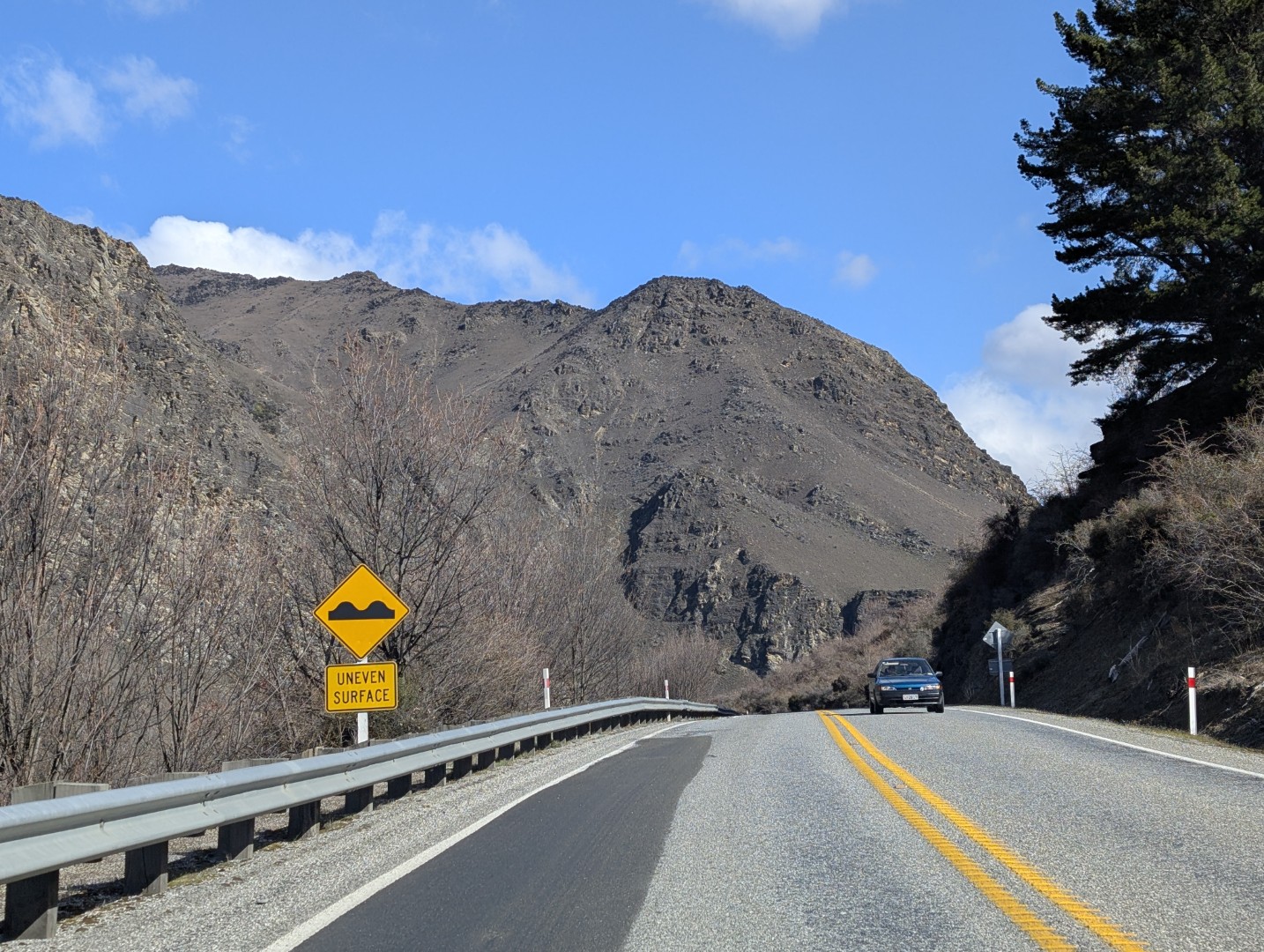
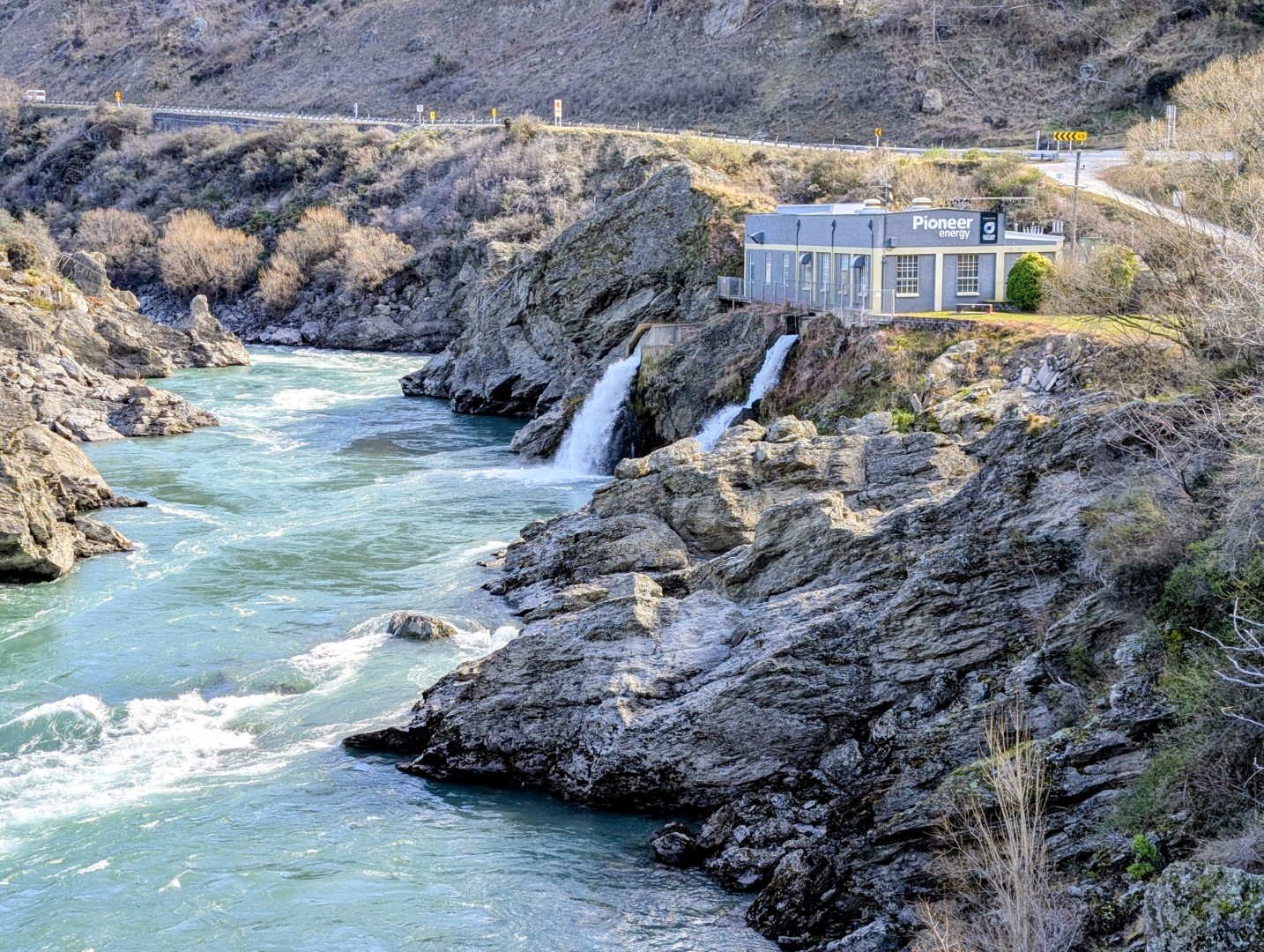
We didn’t have far to go from here til we were passing through the dramatic Kawarau Gorge. The walls of the gorge rise up high on both side of the river which rushes through below. It’s a really lovely turquoise colour and this was an interesting drive. We stopped at the lookout for the Roaring Meg Power Station, to see it pumping water out into the fast flowing river.
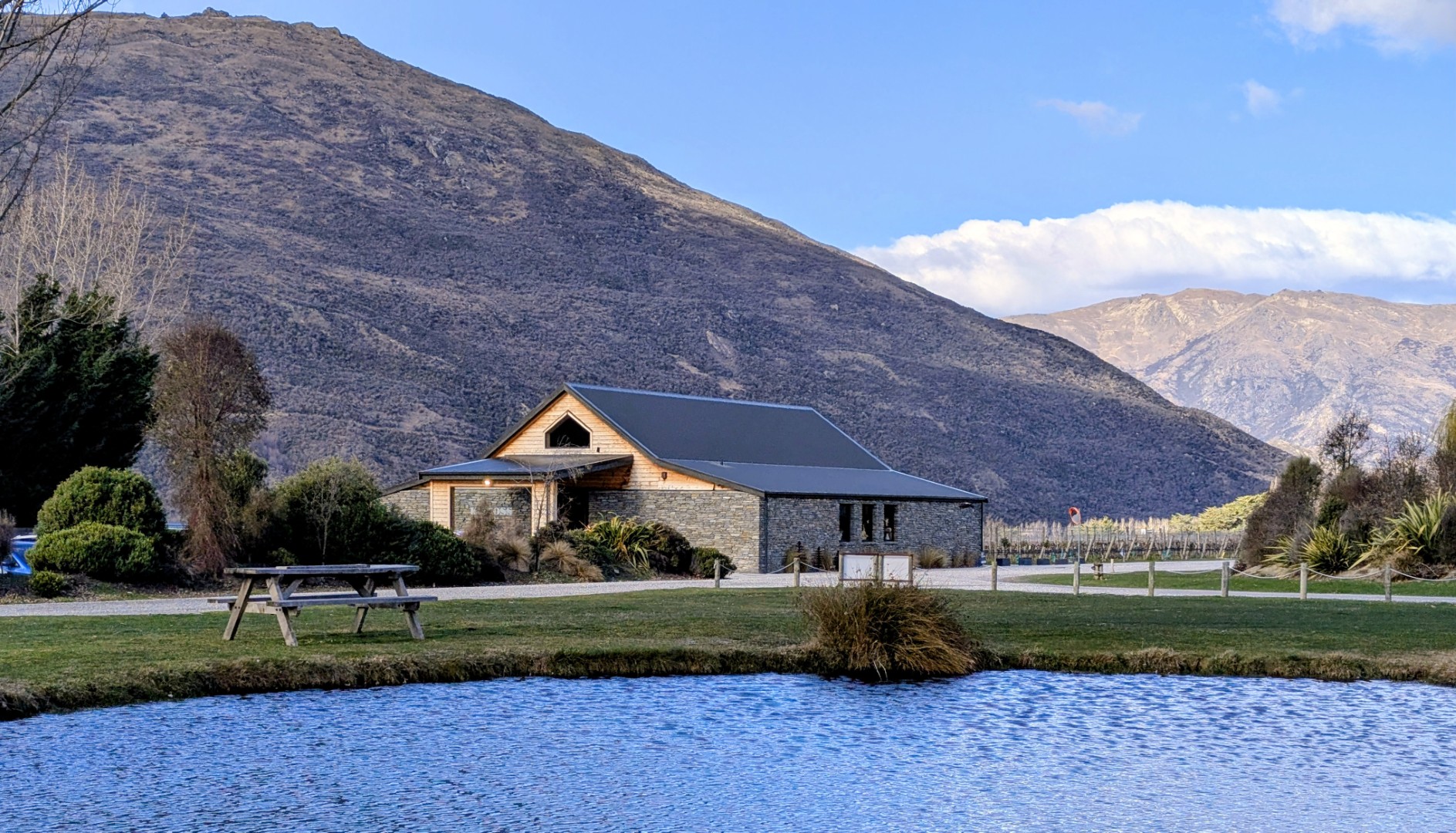
Finally, we drove to Arrowtown to collect some groceries for our three days stay in the area. I had booked us in to one of the cottages on the Kinross Winery in the Gibbston Valley area. The Gibbston Valley is another subregion of the Central Otago wine region. On our previous visit to Queenstown we had stayed right in town, overlooking the lake, This time I thought it would be nice to do something different – we are still only about 15 minutes drive from Queenstown here.
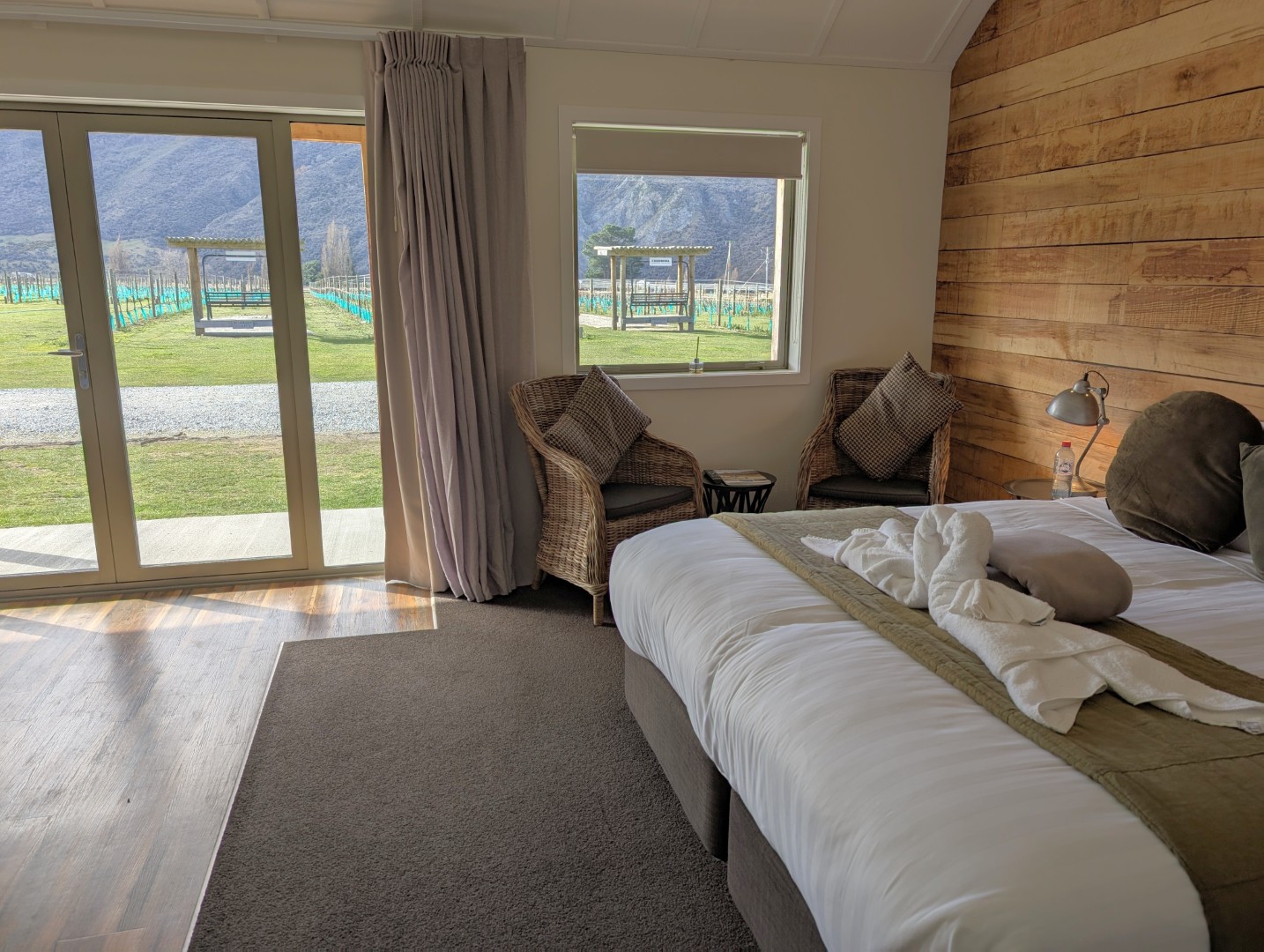
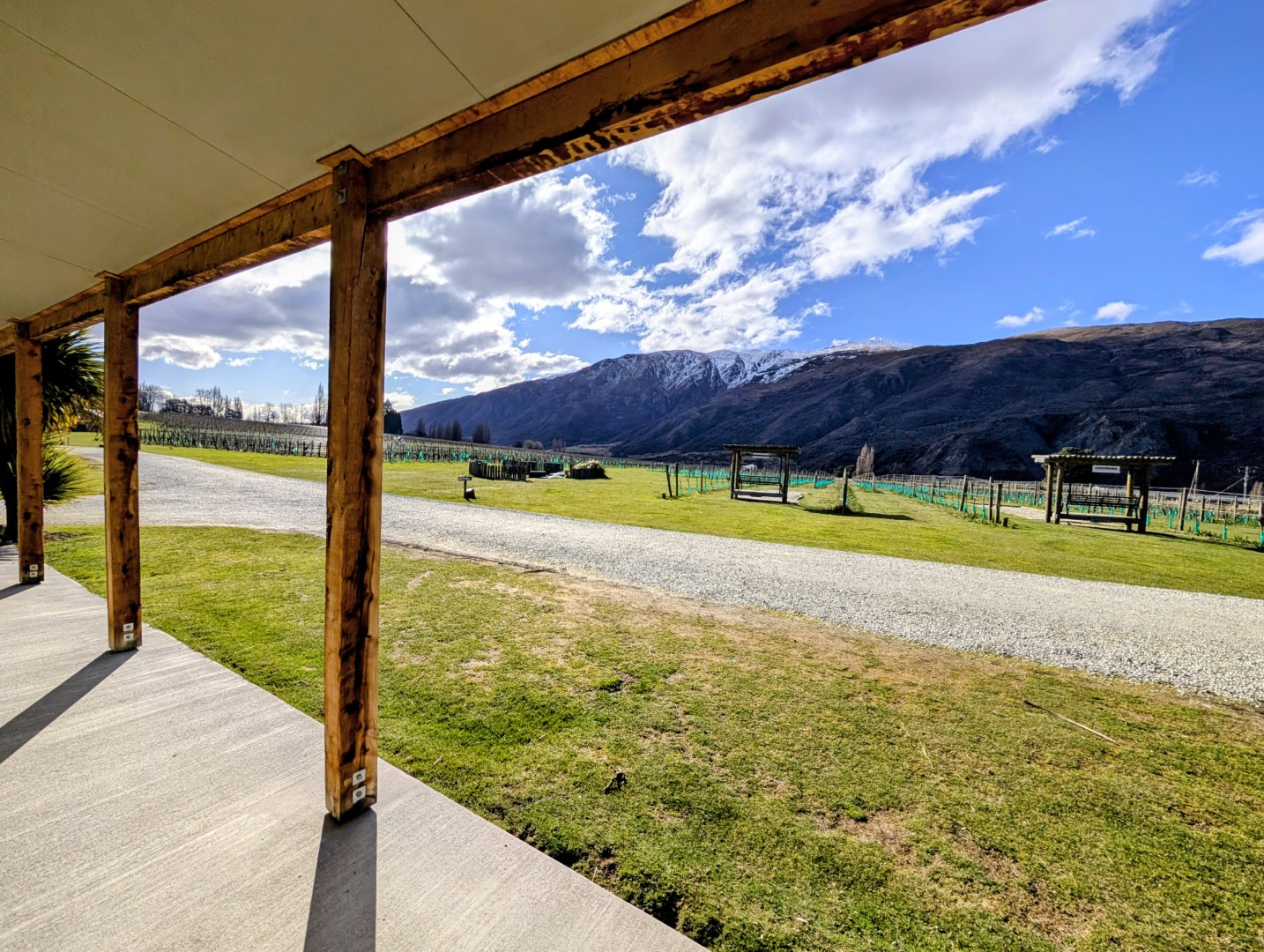
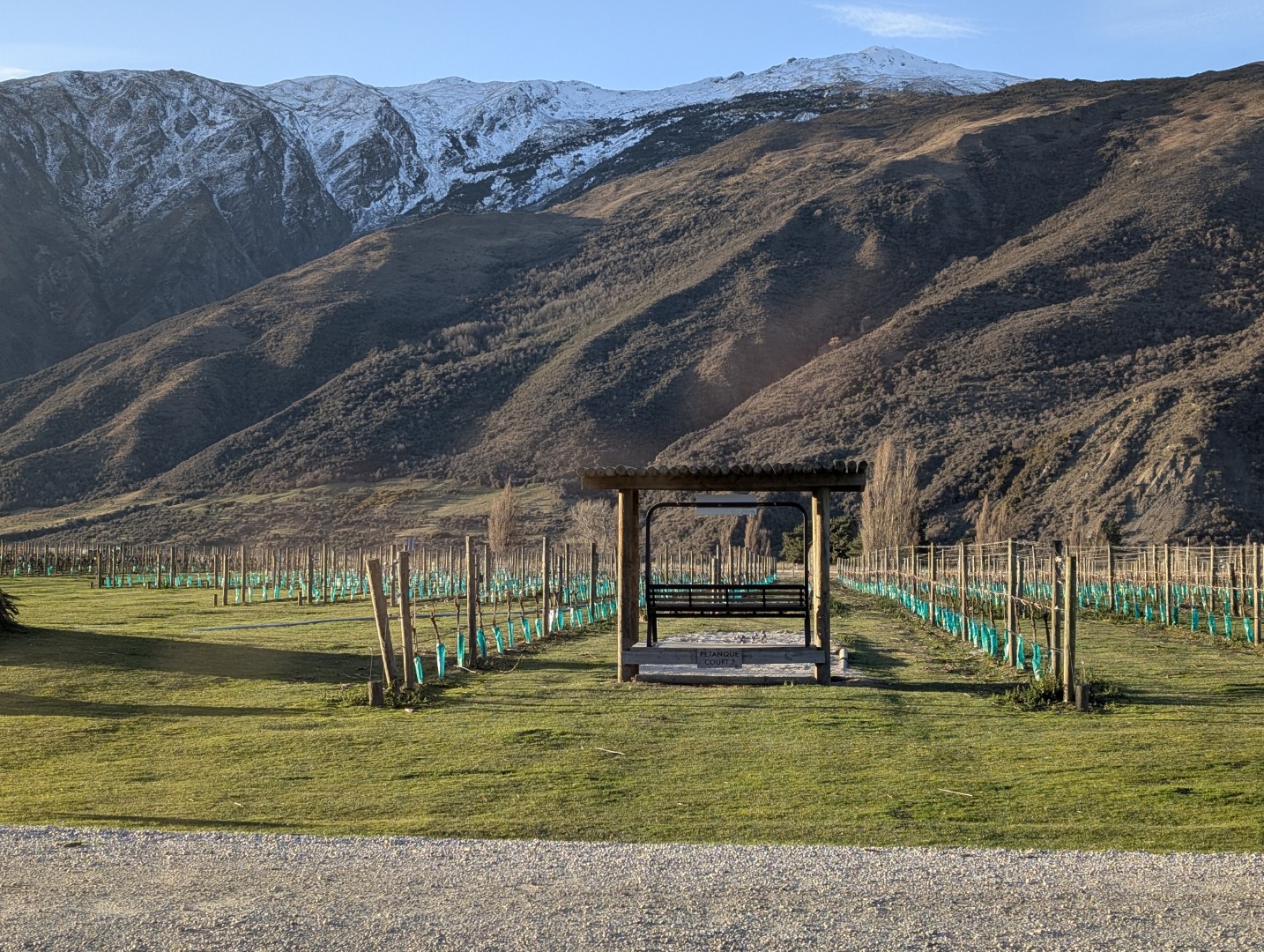
Our cottage is cosy and warm and overlooks their vines with a view up to the hills on the other side of the river. After our substantial lunch we’d decided to cater for ourselves again tonight so after a stroll around the grounds, we settled in and enjoyed our dinner and a glass of wine looking up to the view from our window. We also watched dozens of little rabbits runing amongst the vines, I guess they may have a rabbit problem here! ( But they are very cute!) Tomorrow we hope to explore Queenstown, not sure what the weather will bring as the Metservice is suggesting we could expect snow showers!